Oakwood Mews
This project responds to London’s increasingly severe housing crisis by proposing a housing and community scheme as a precedent for socially and environmentally sustainable future developments within the Metropolitan Green Belt (MGB).
PROJECT DETAILS
PROJECT STATEMENT
The Green Belt Act of 1938 constituted the first formal planning legislation to define the open space surrounding Greater London as protected land. Initially proposed to give access to the countryside, the MGB later became a physical constraint to the growth of London. The current policy is set out within the National Planning Policy Framework which states ‘the fundamental aim of Green Belt Policy is to prevent urban sprawl by keeping land permanently open.’
Duncan Sandys, the minister responsible for MGB expansion in the 1950s, said that Green Belt land did not have to be ‘green’ or even particularly attractive, as its purpose was to stop urban development. Therefore, the ‘actual use or enjoyment of the Green Belt is clearly seen as an incidental benefit’ of the policy rather than its intended goal.
A 21st-Century Metropolitan Green Belt, written by Dr Alan Mace of the London School of Economics, critiques current Green Belt policy and instead proposes urban planning solutions for sustainable future development within the MGB. This project – titled ‘Tightening the Green Belt: Oakwood Mews, Enfield’ – takes on these ideas and adapts them at the scale of an architectural scheme that relies upon locally sourced natural/recycled materials.
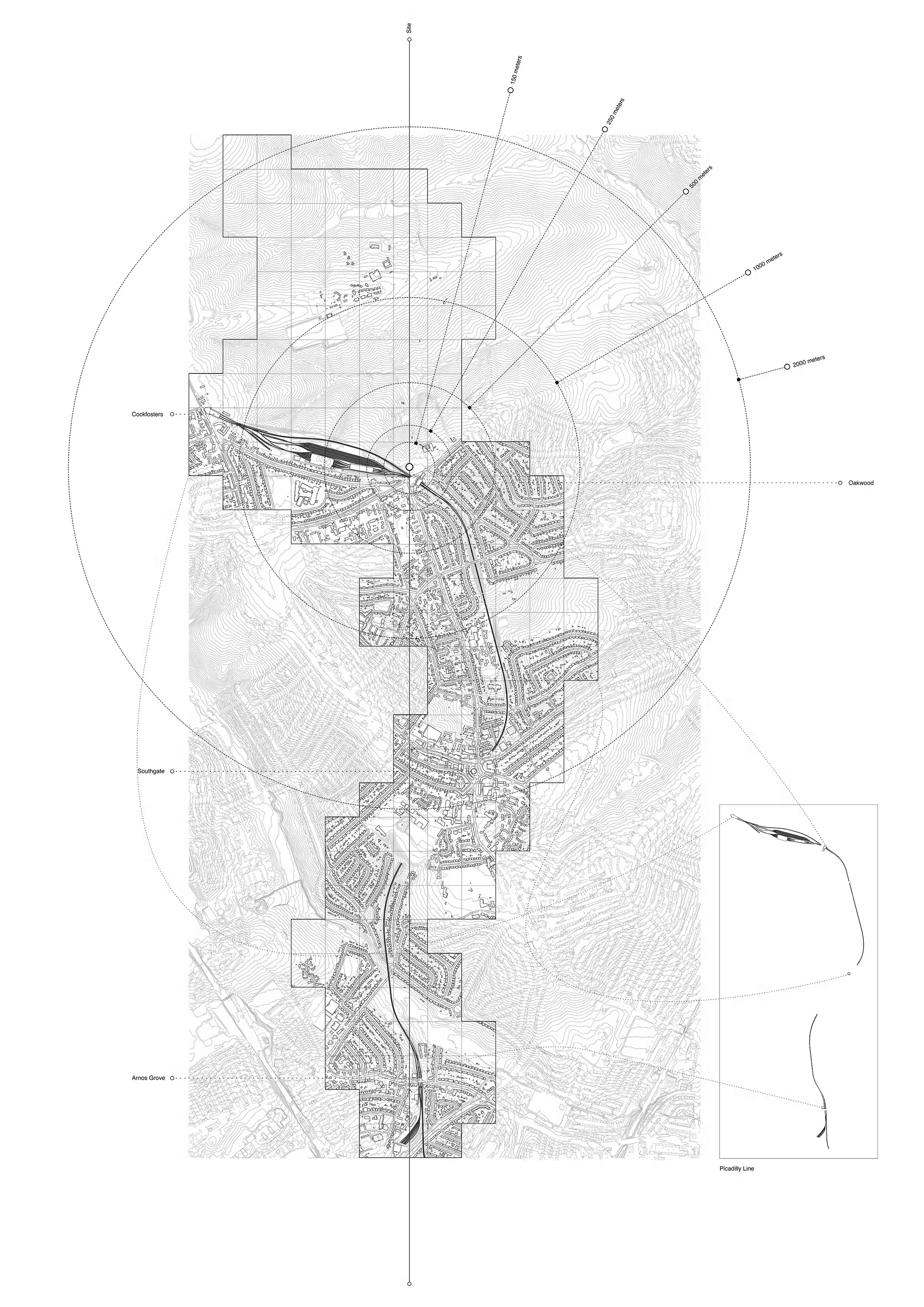
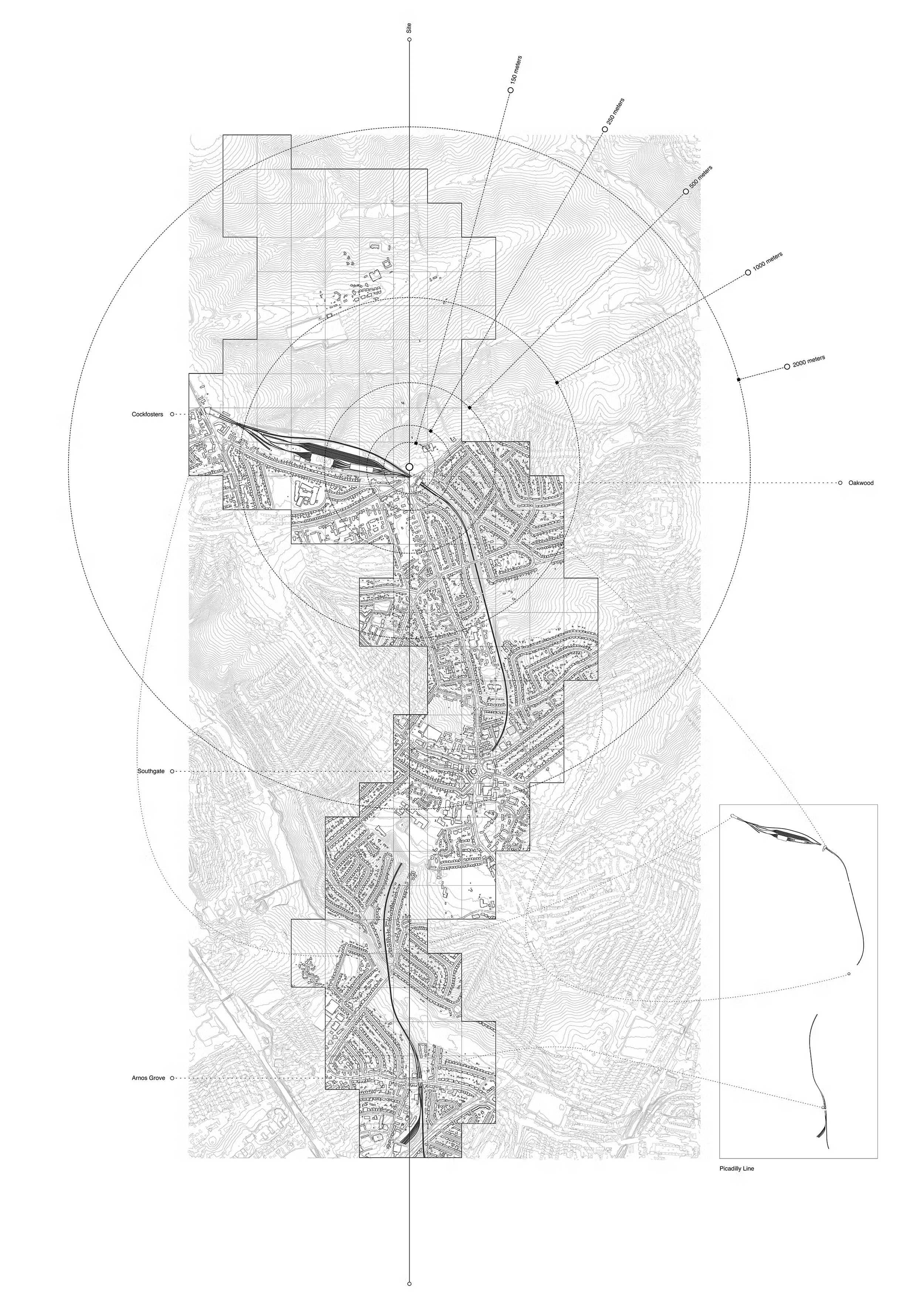
Finding a site was dictated by the parameters set out within Dr Mace’s A 21st Century Metropolitan Green Belt. I focused on Enfield in the North London area to conduct a mini-expedition to find a site that would meet the requirements set out for the project.
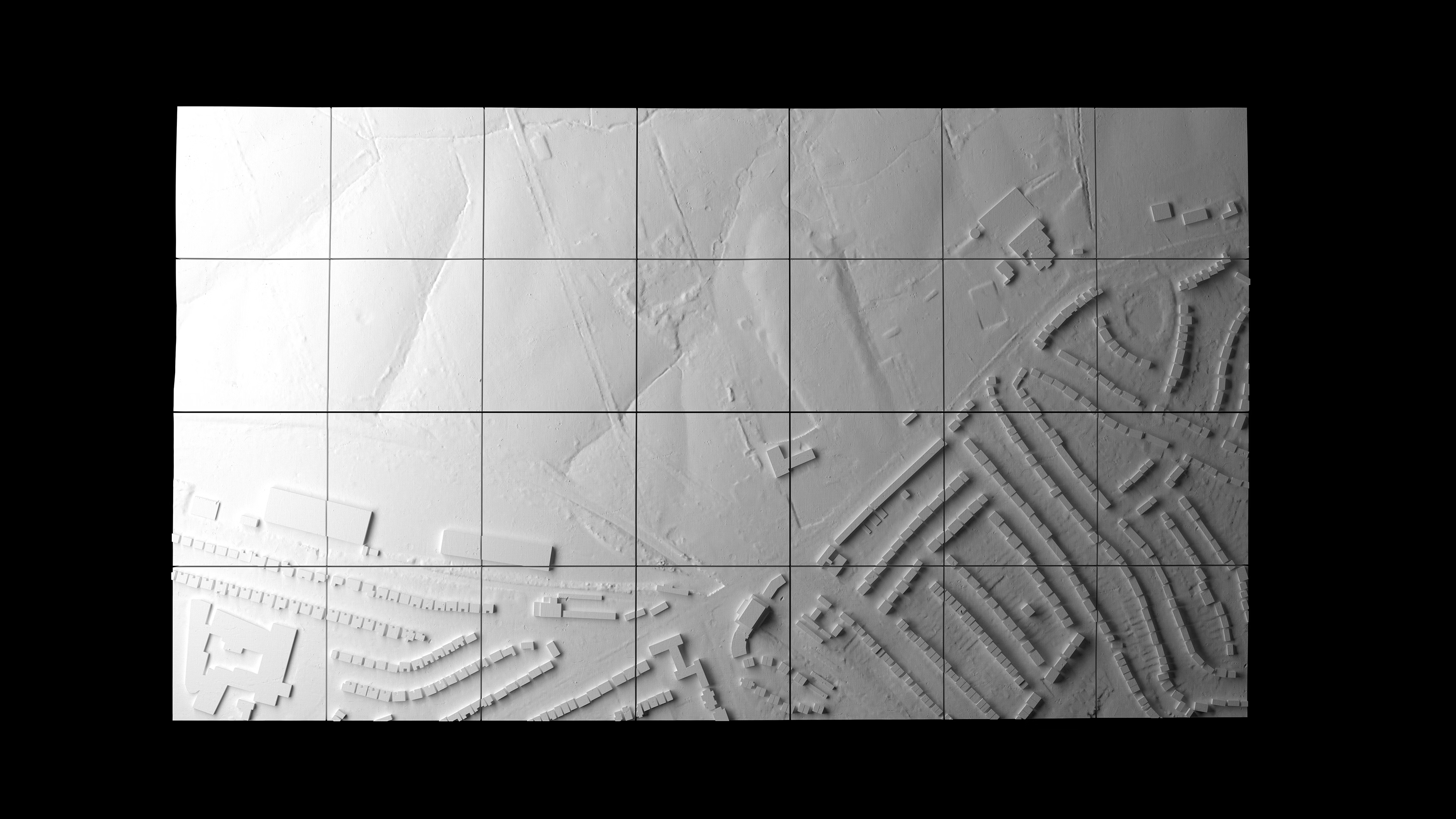
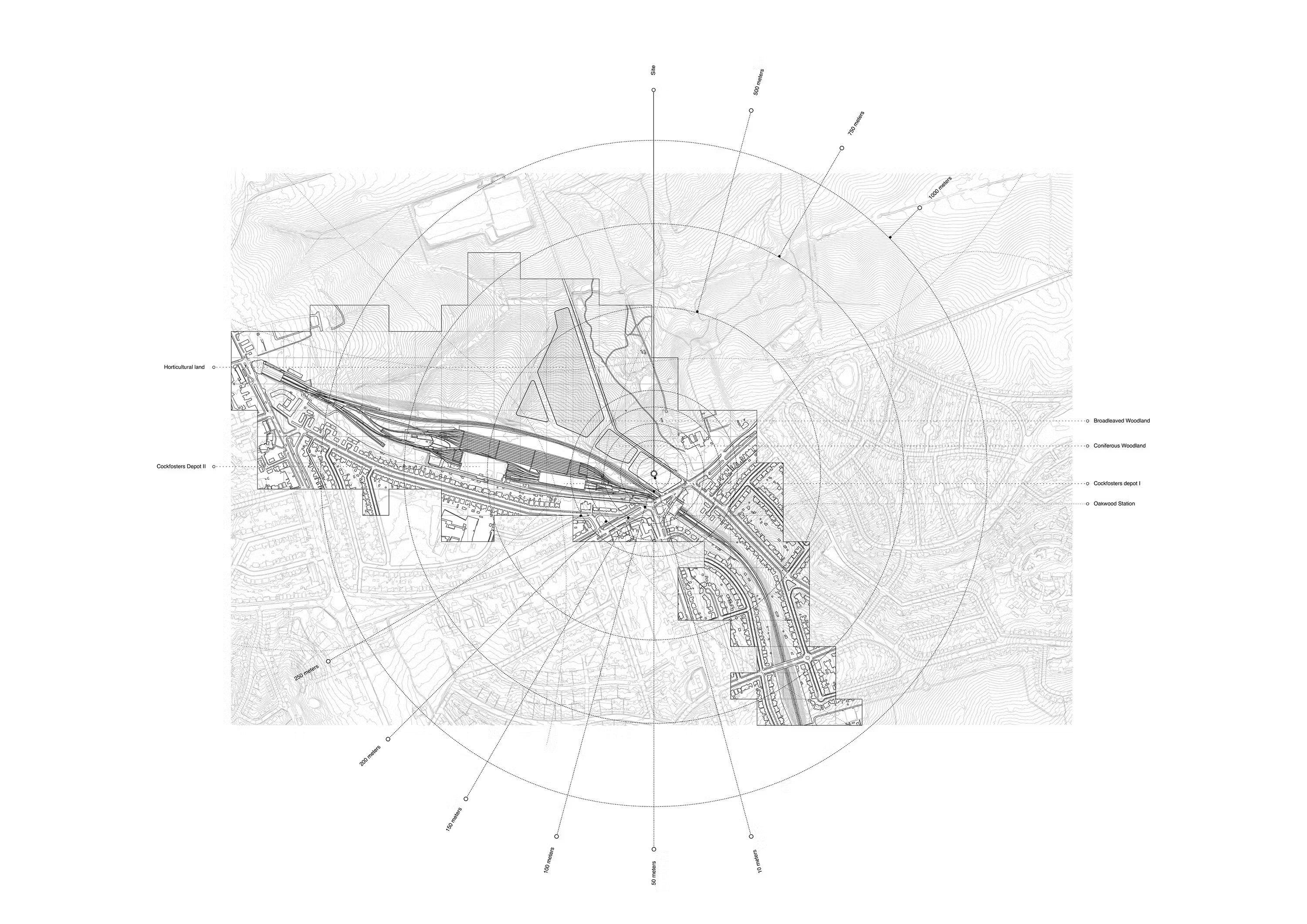
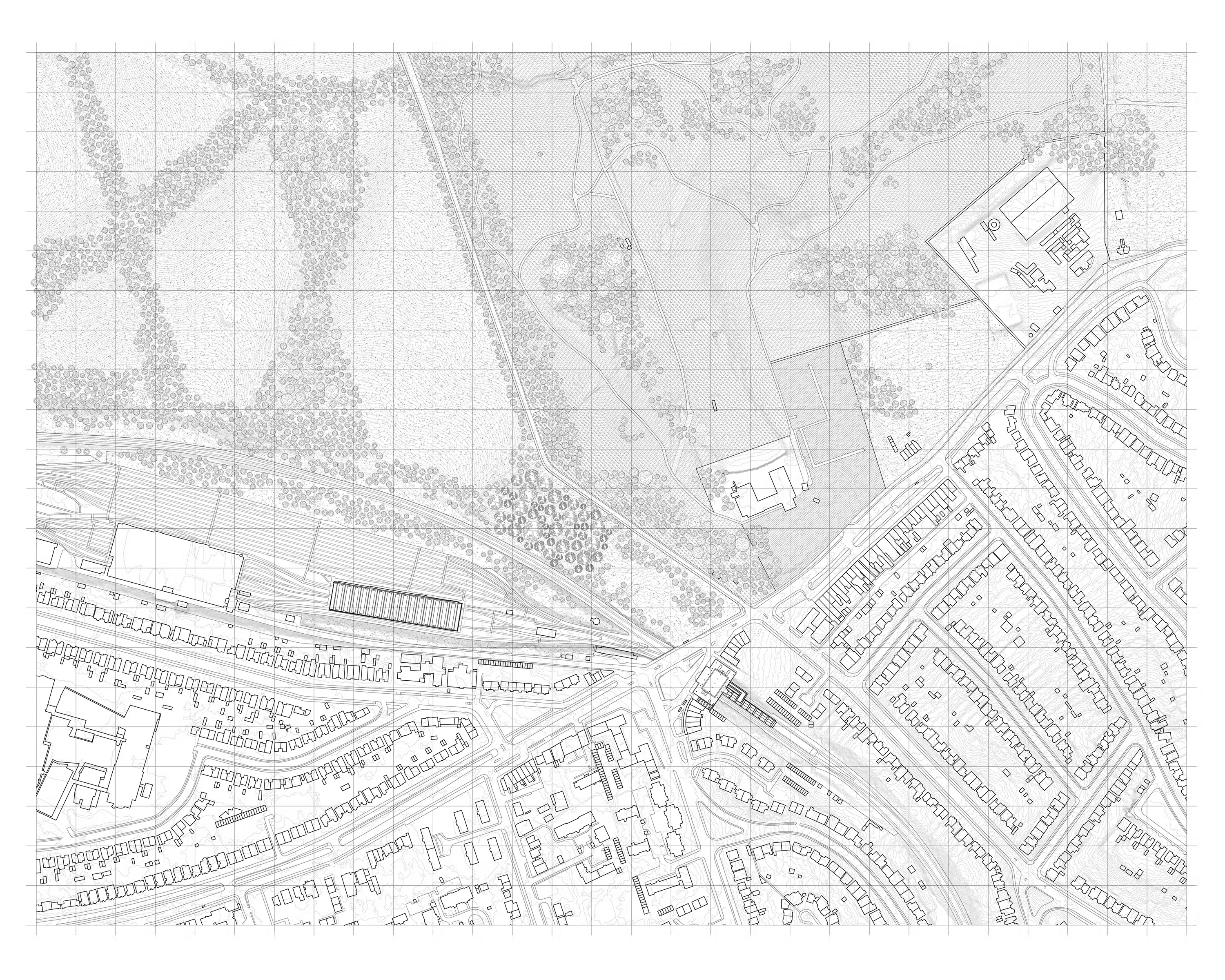
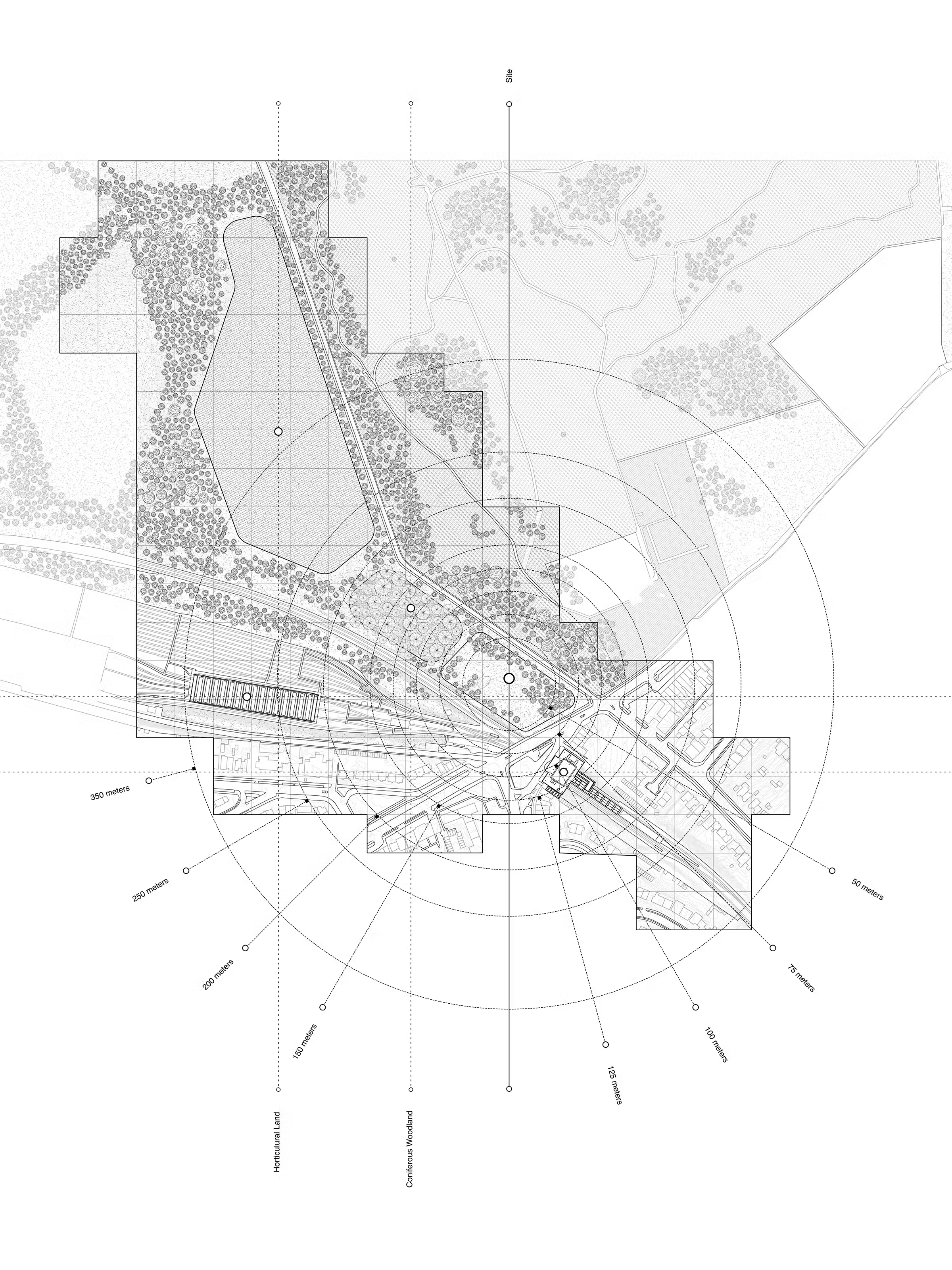
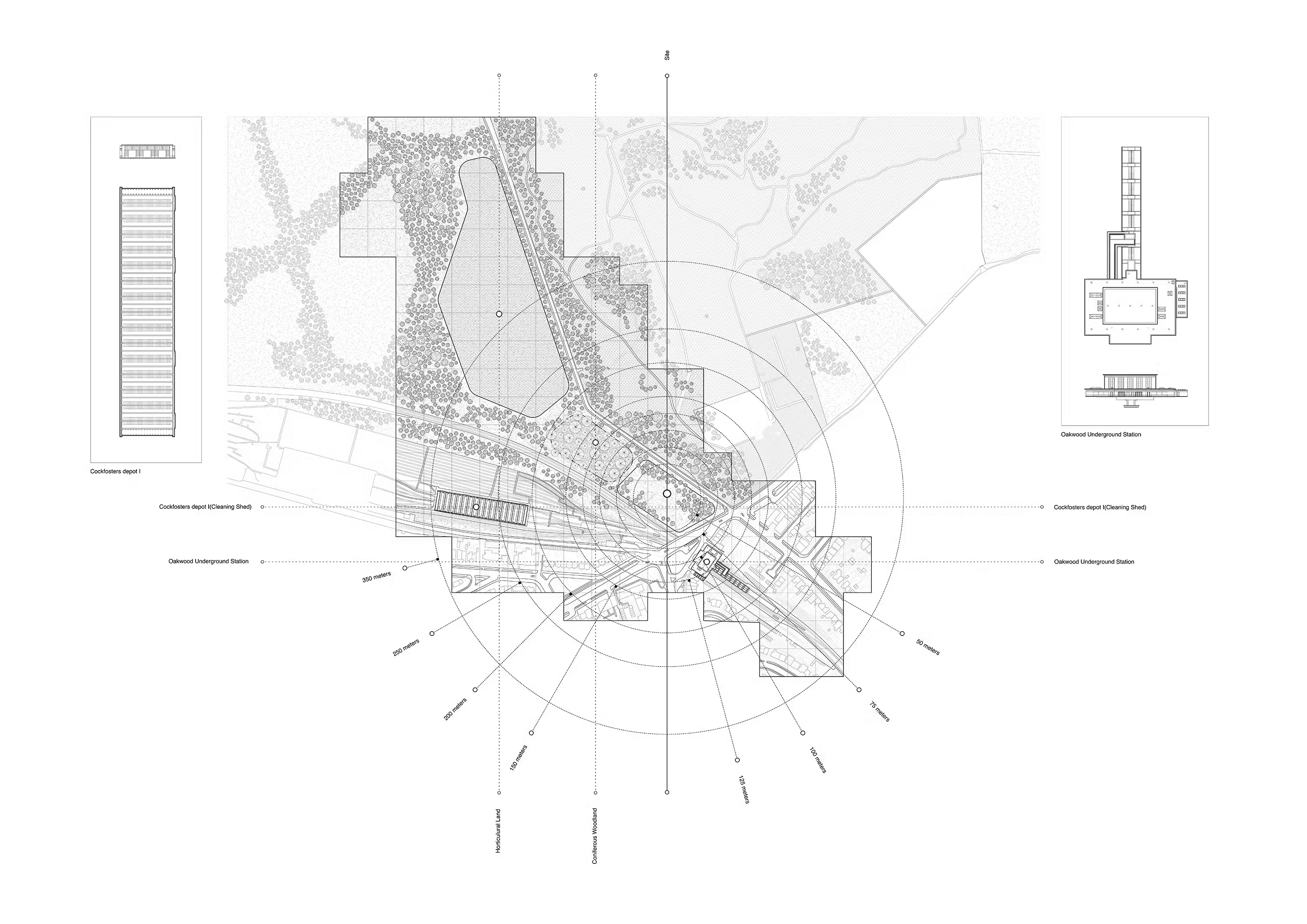
The site eventually chosen was the land opposite Oakwood underground station near the northern end of the Piccadilly Line. The station was designed by renowned modernist architect Charles Holden, who designed a number of much praised stations along the Piccadilly Line. Oakwood is the penultimate stop, and being so close to this station means that there will be very easy public access for residents and visitors to my new housing/ community scheme.
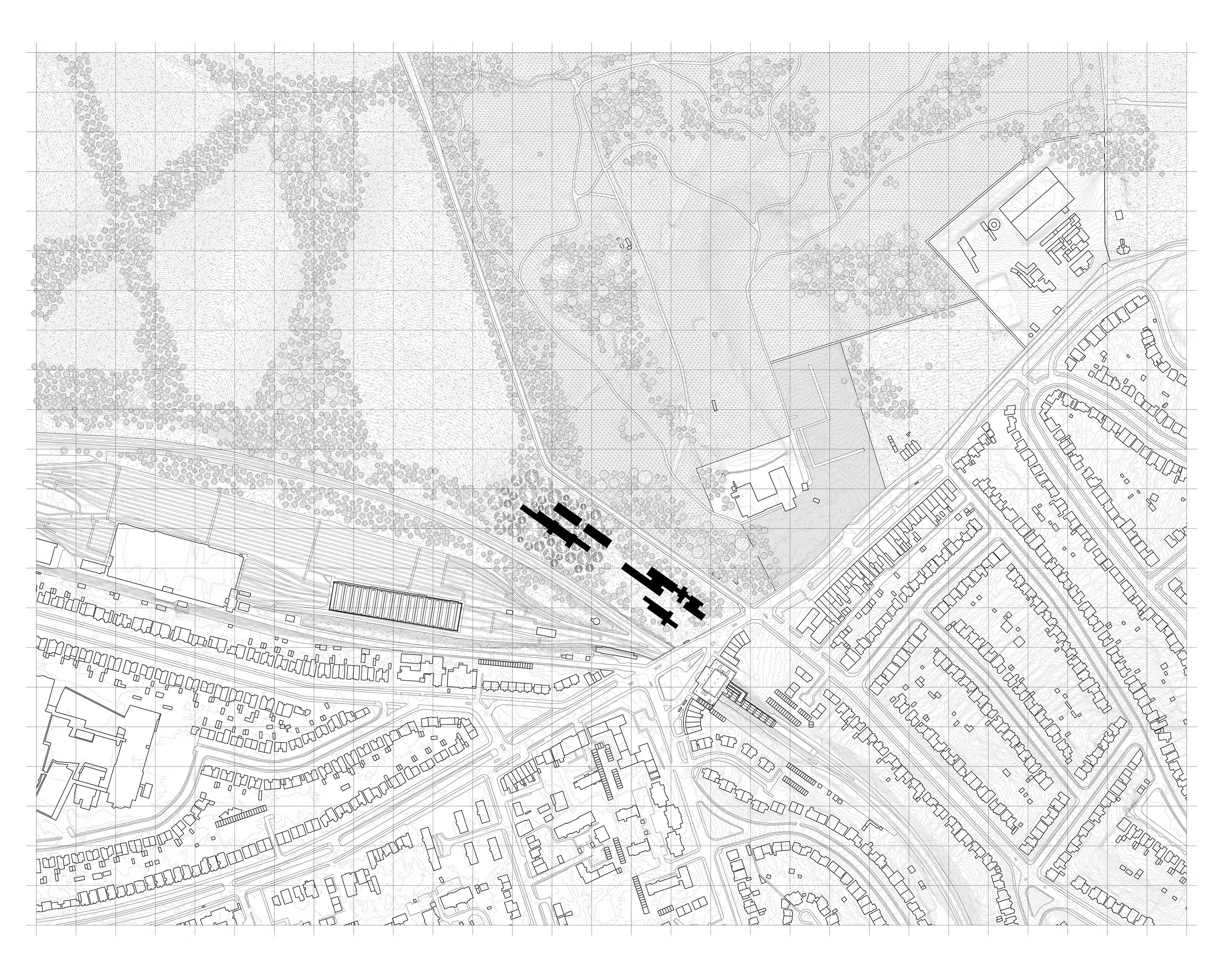
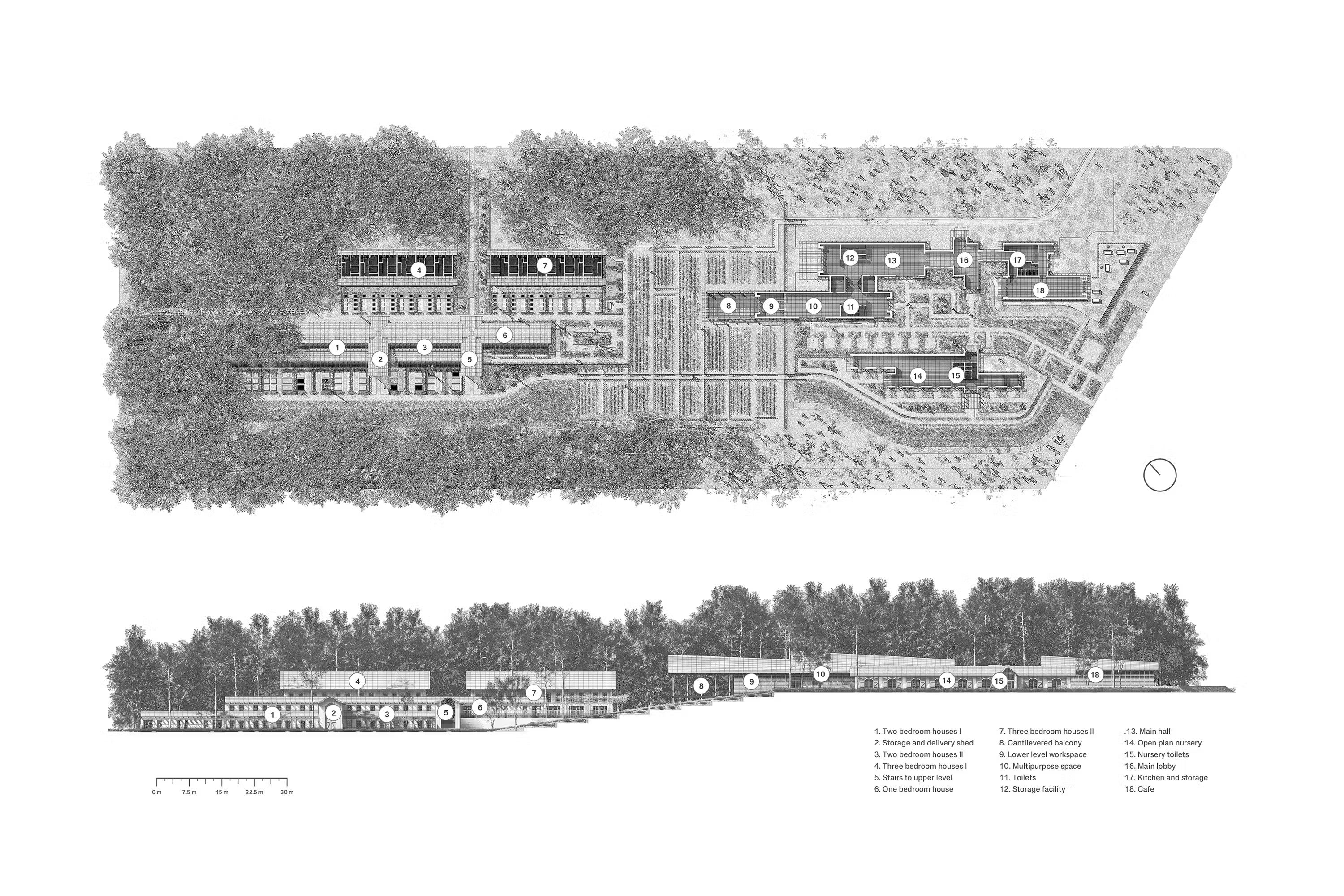
The land ultimately provided the best opportunity to produce architectural design that most thoughtfully responded to the parameters proposed by Dr Mace for sustainable development:
- Limit environmental losses
- Benefit existing residents
- Limit private car usage
- Be close to public transport links
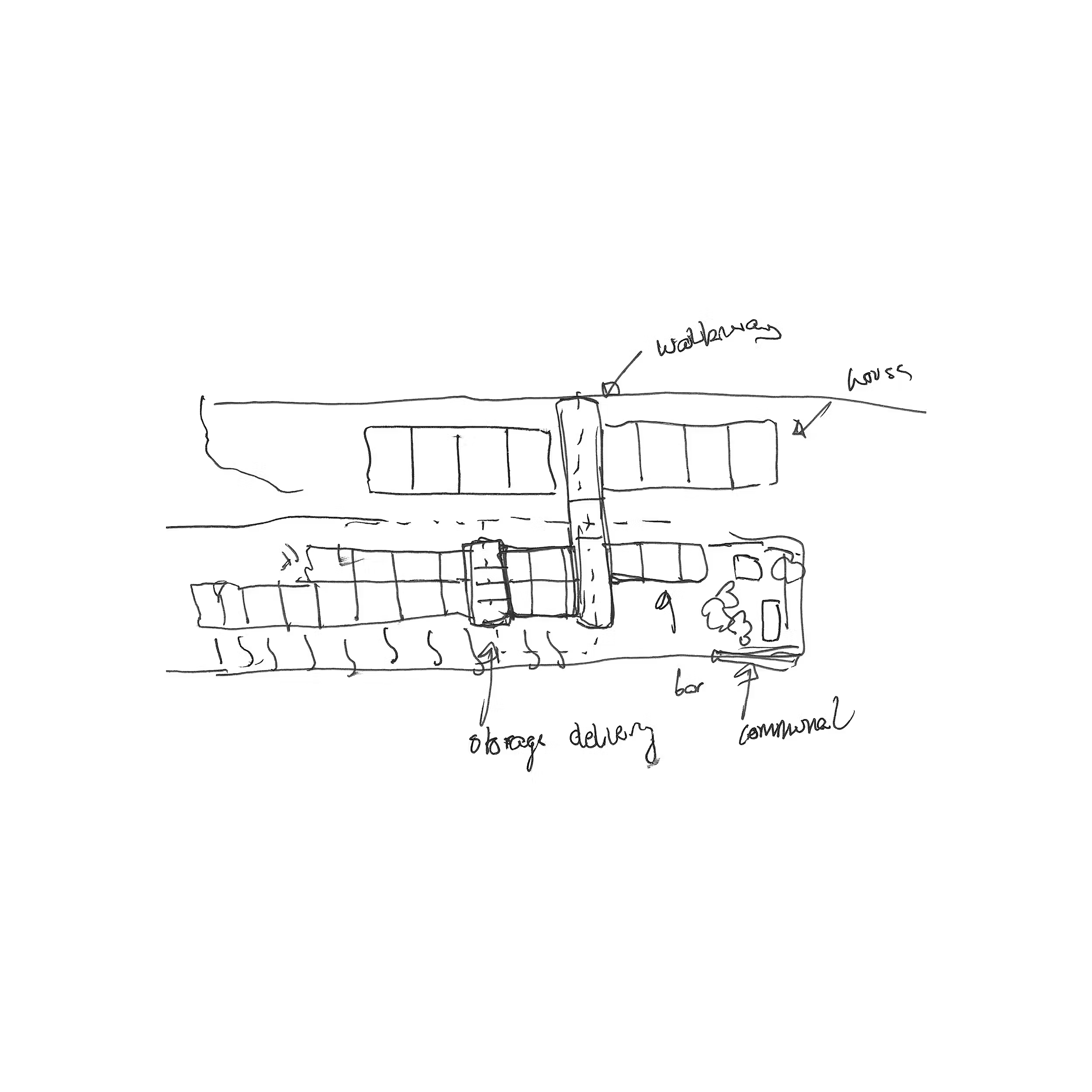
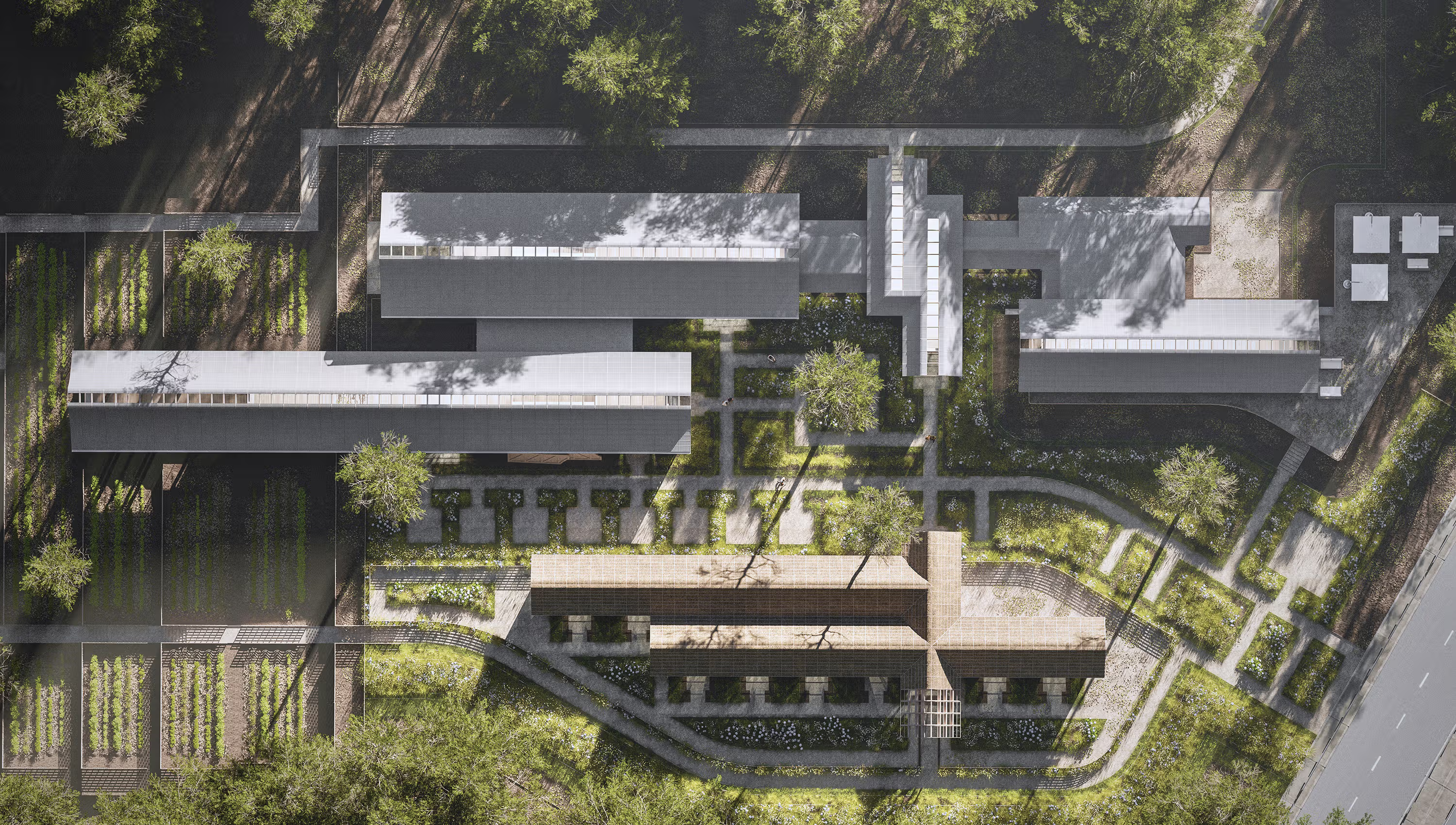
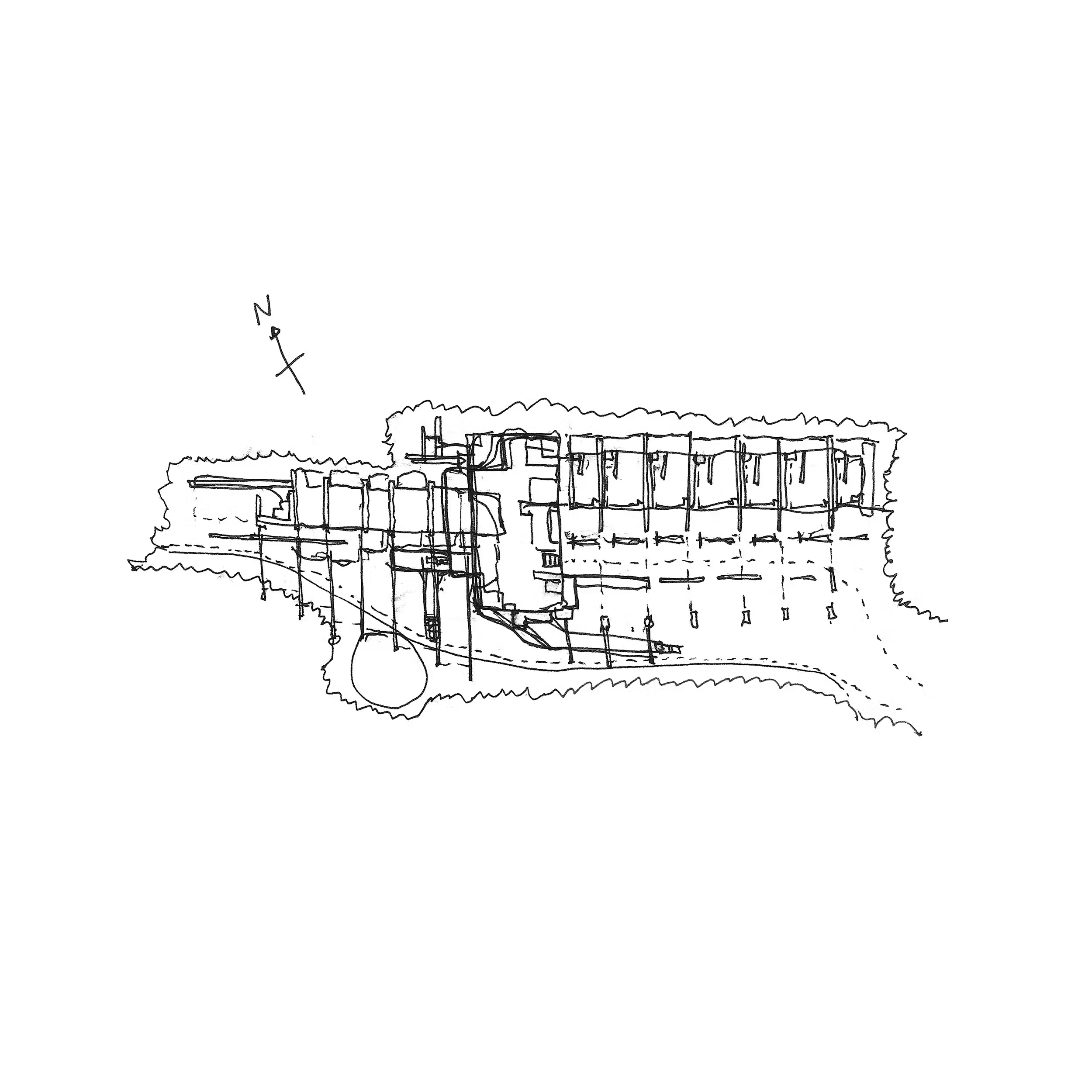
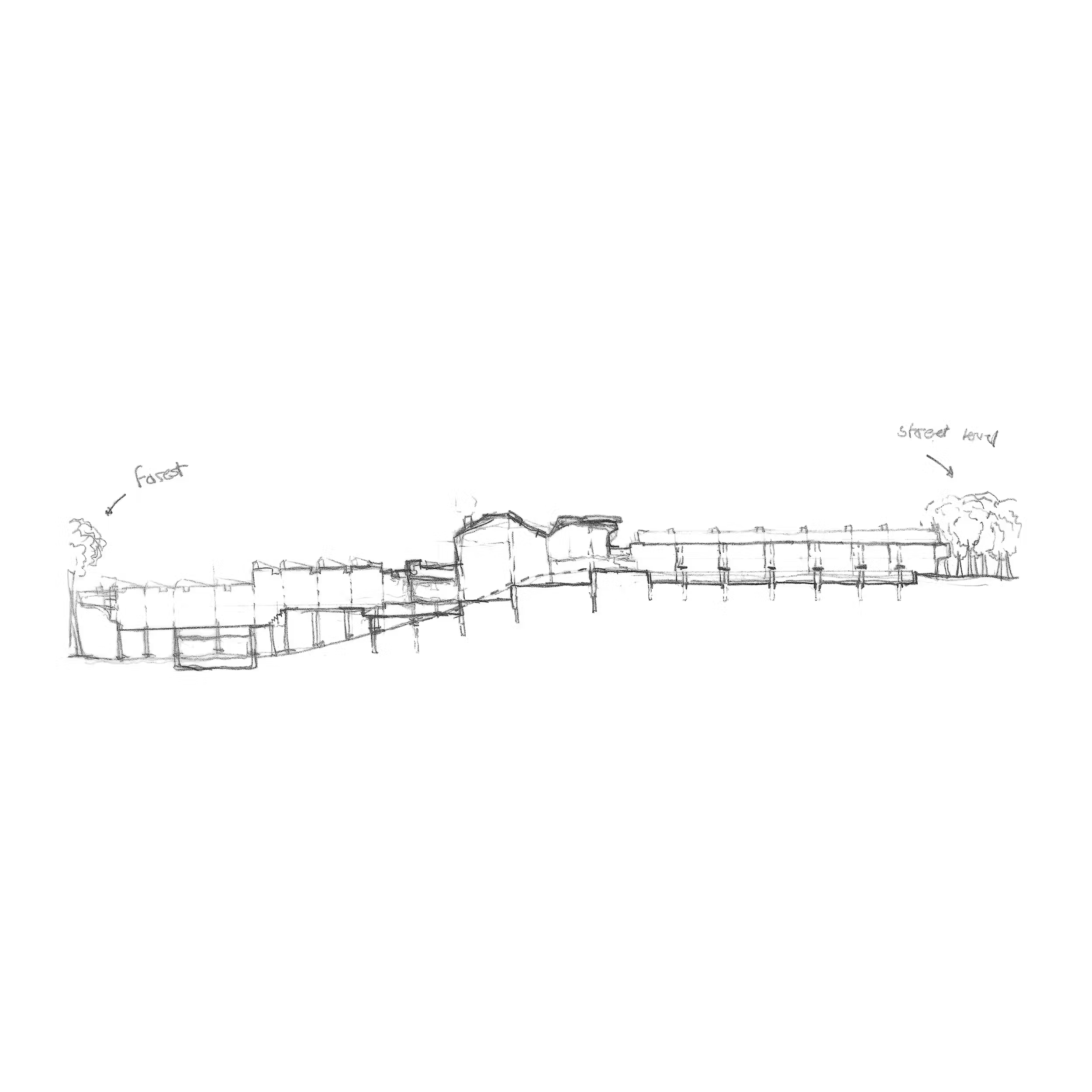
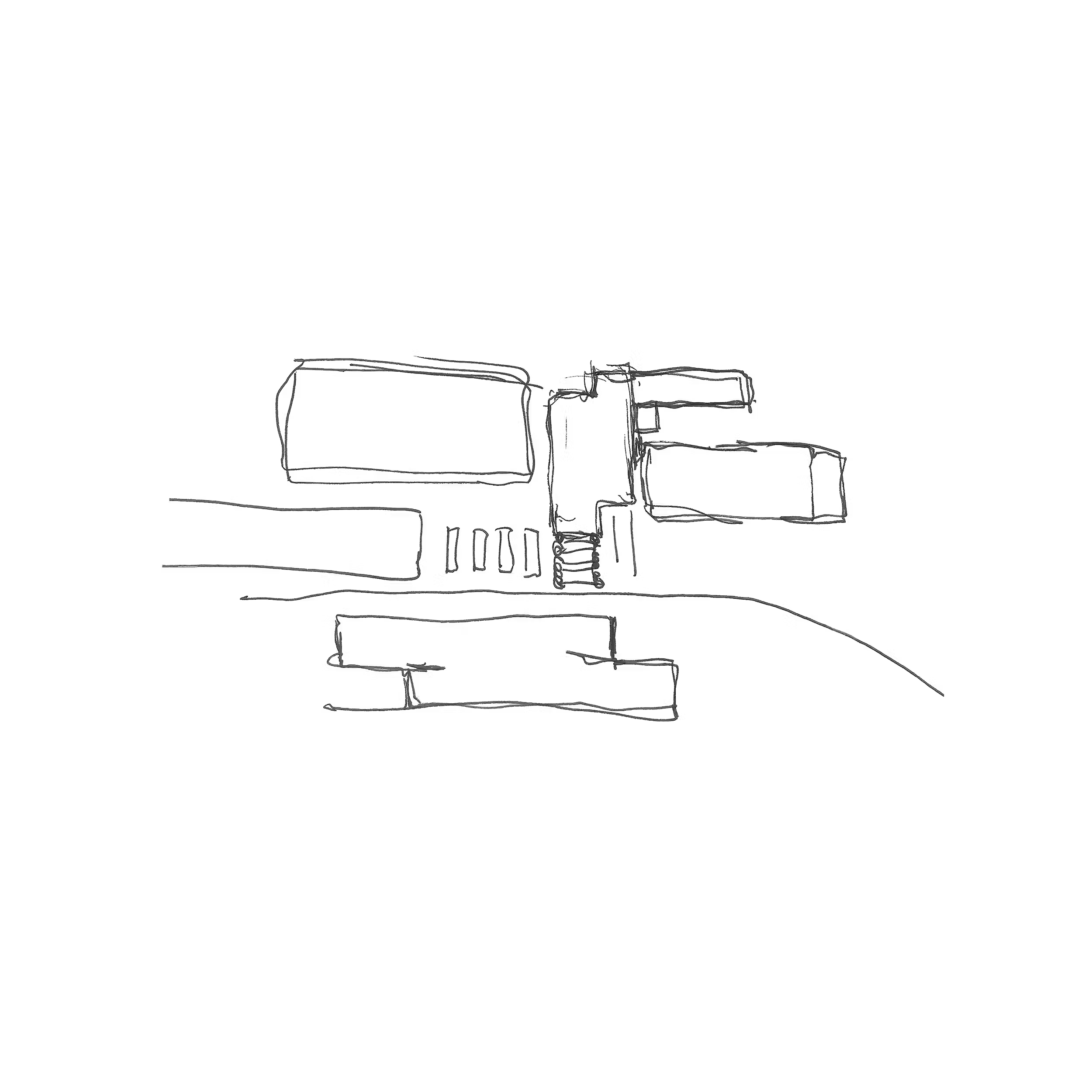
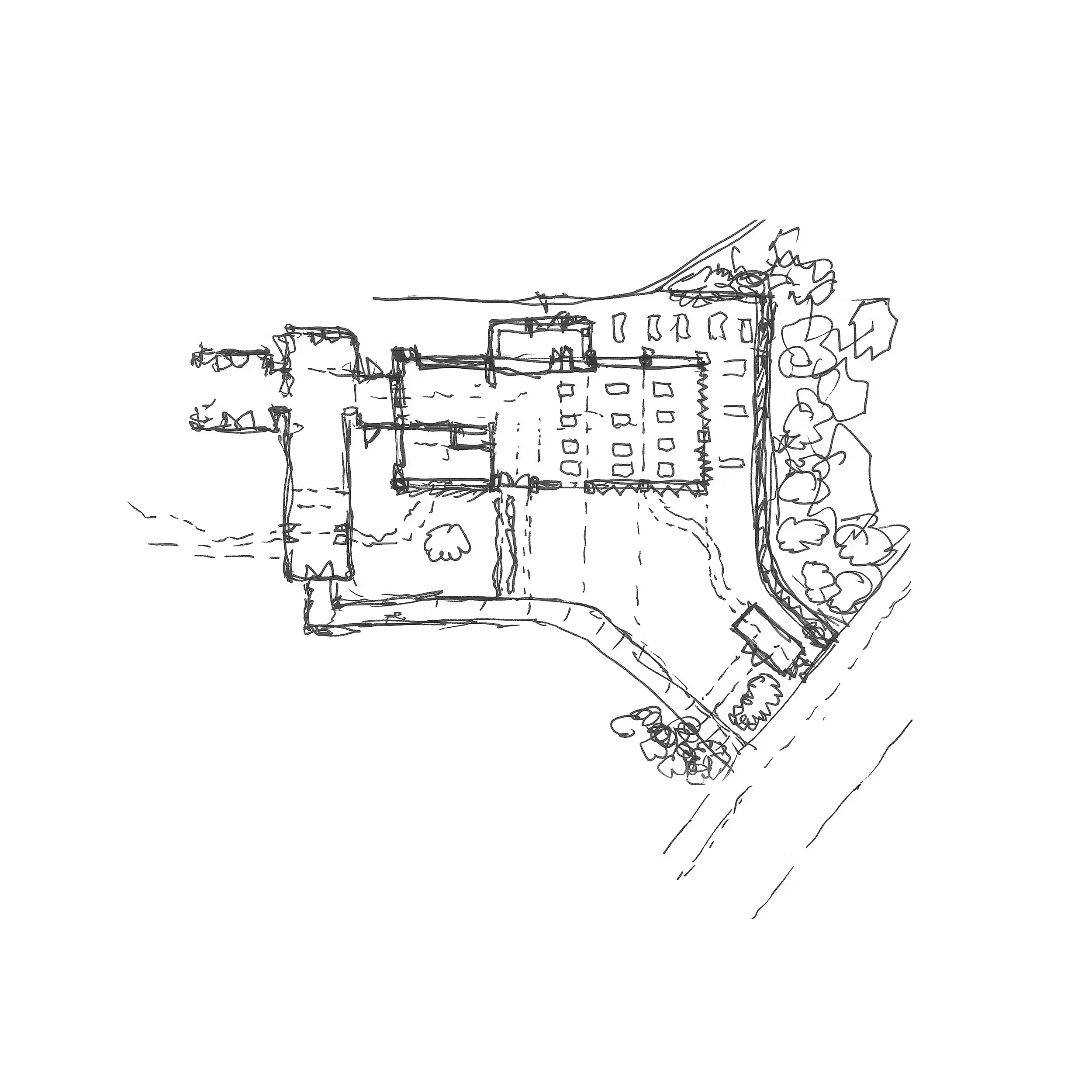
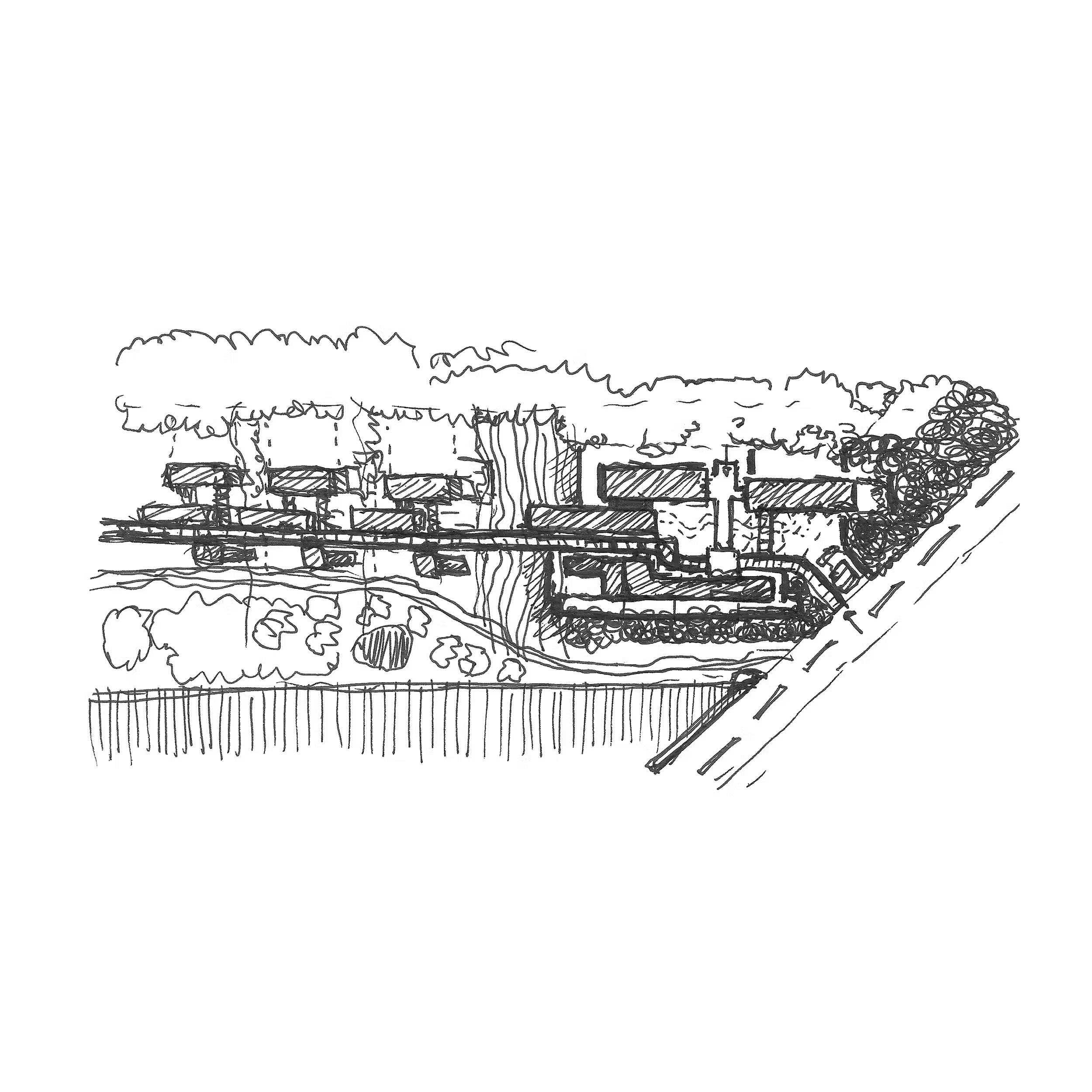
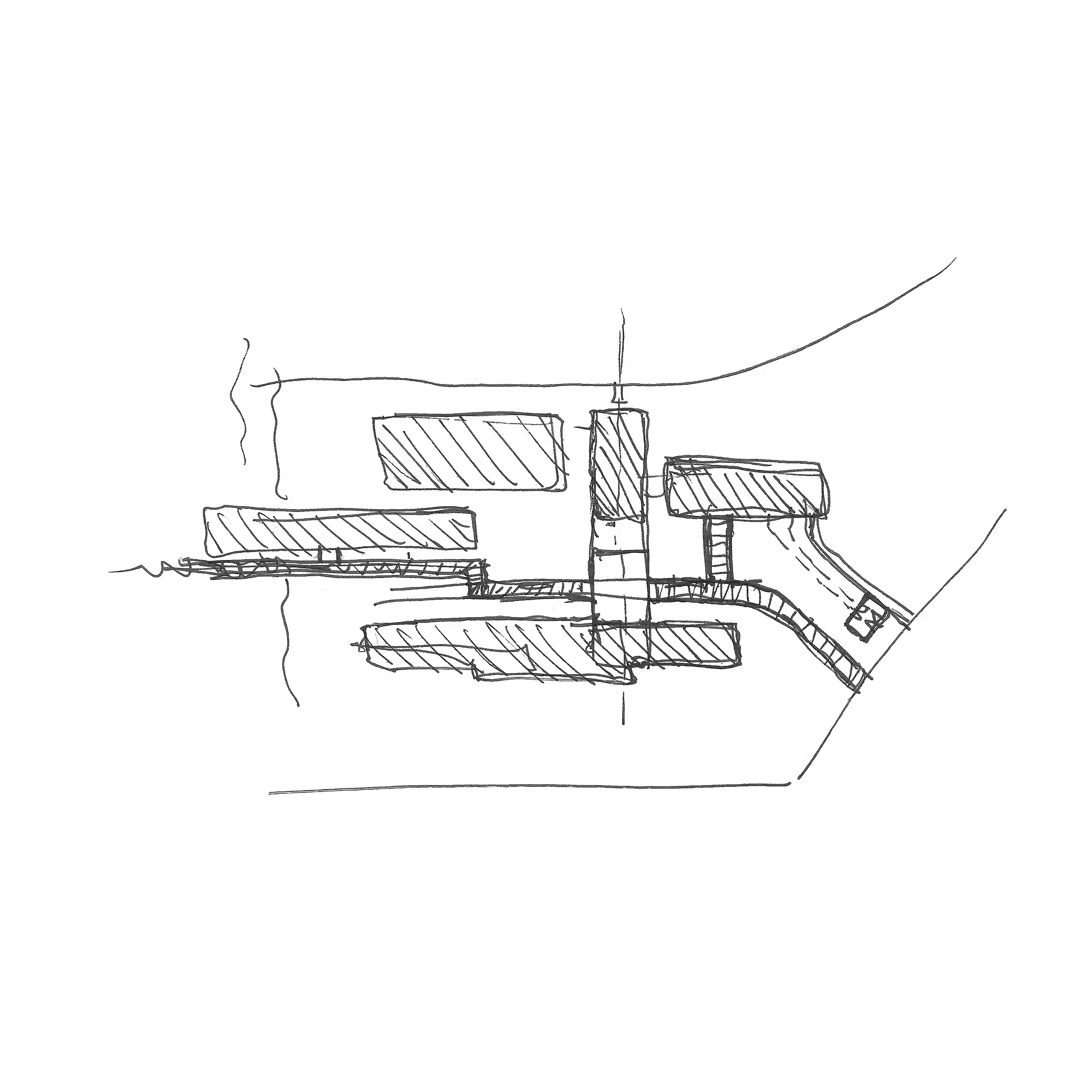
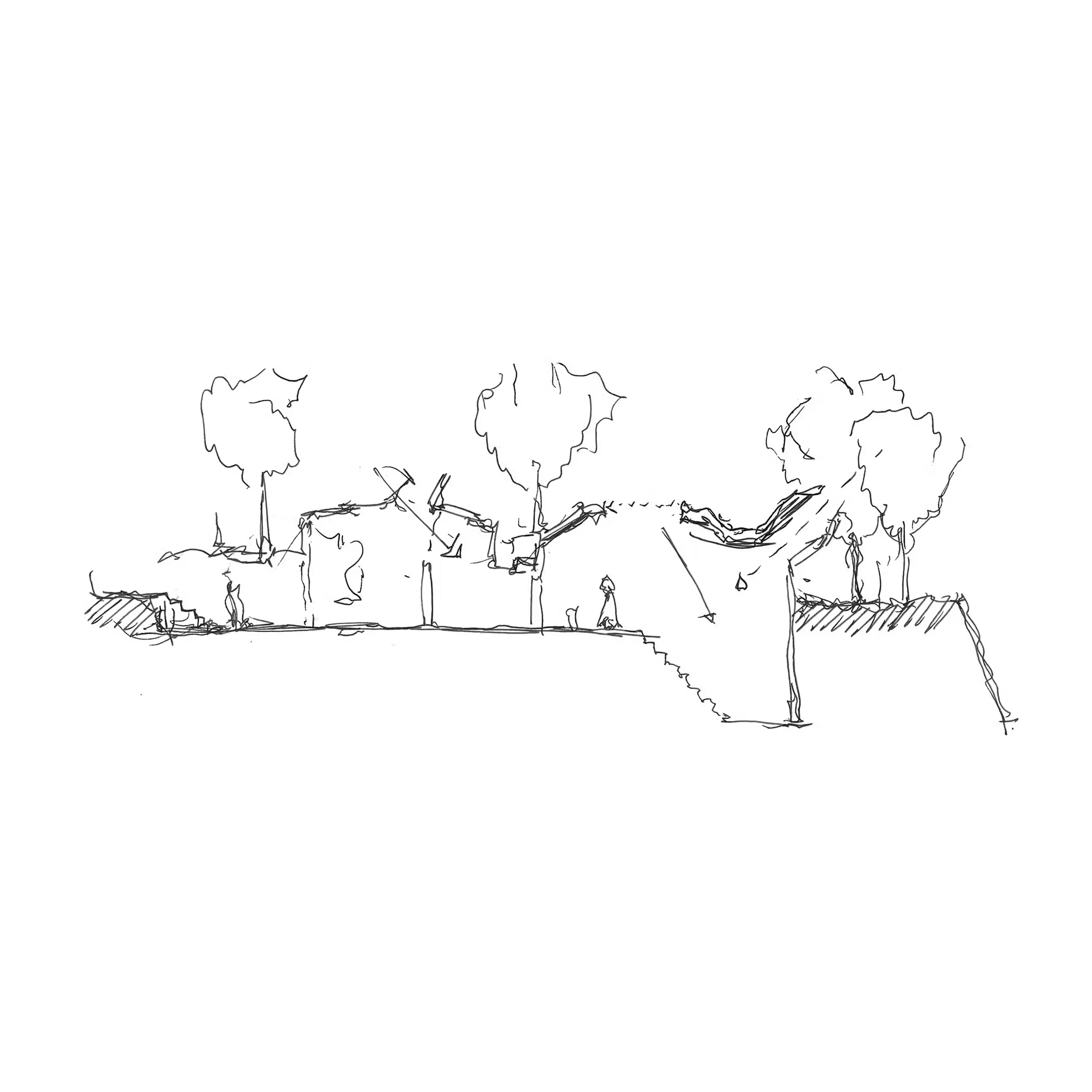
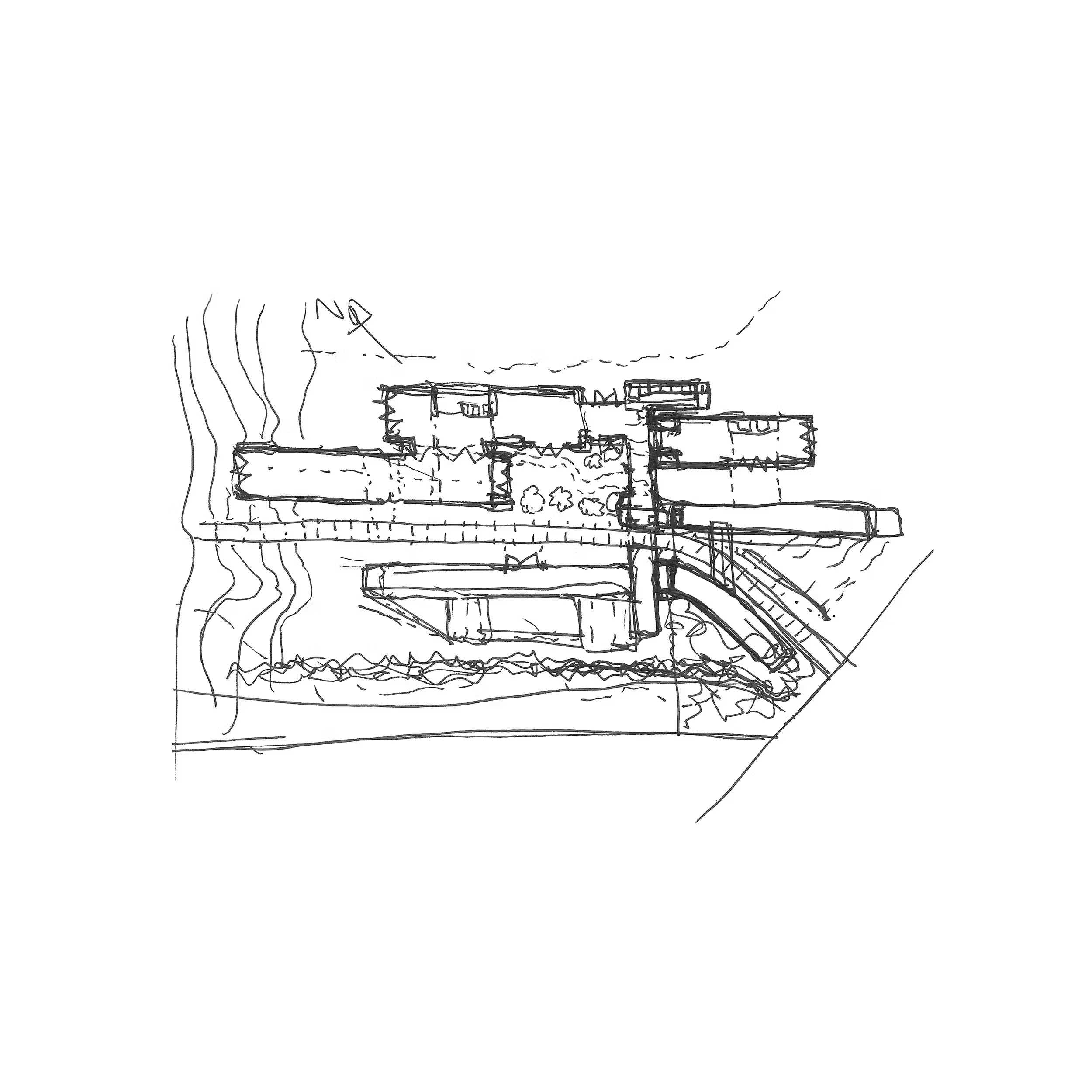
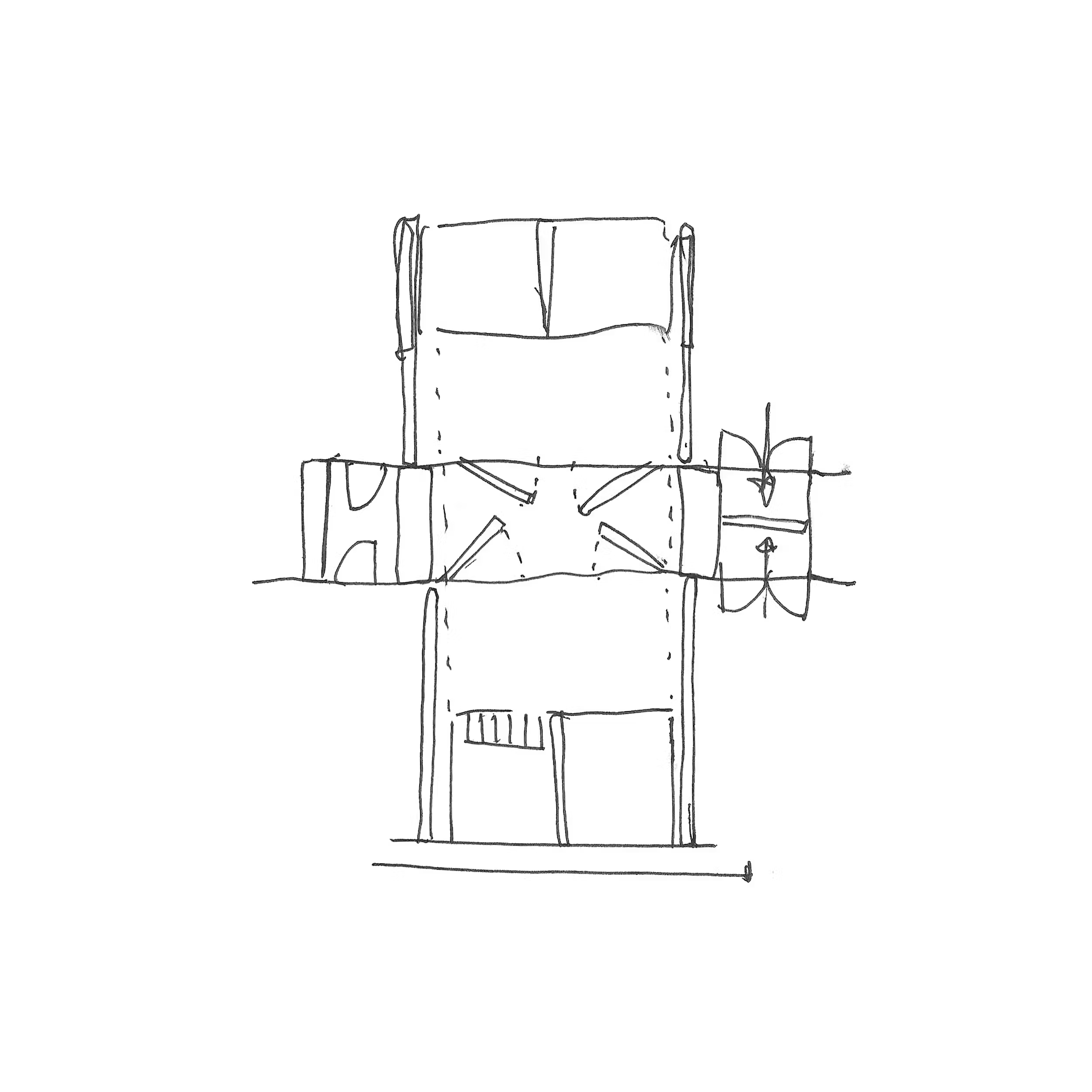
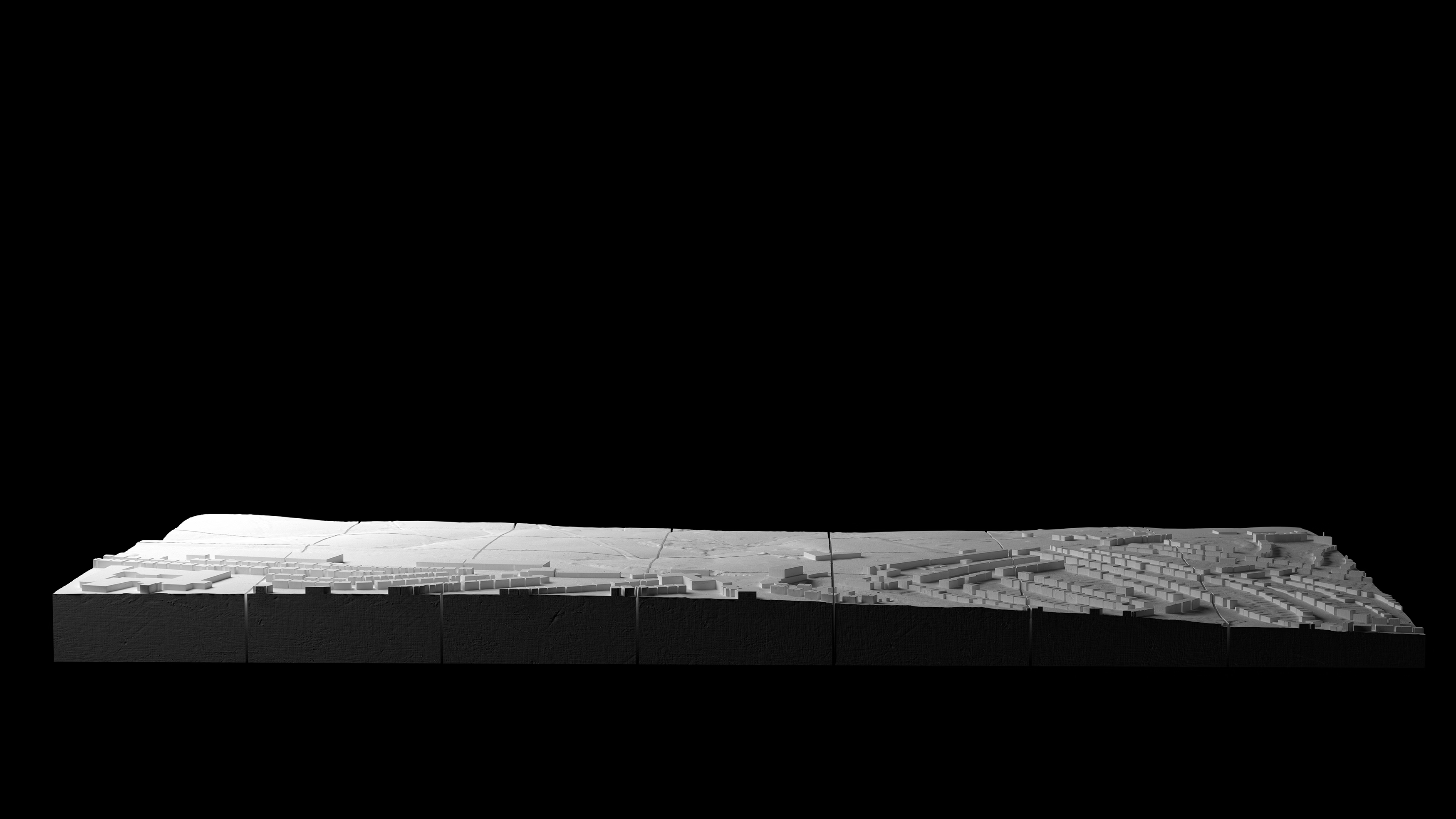
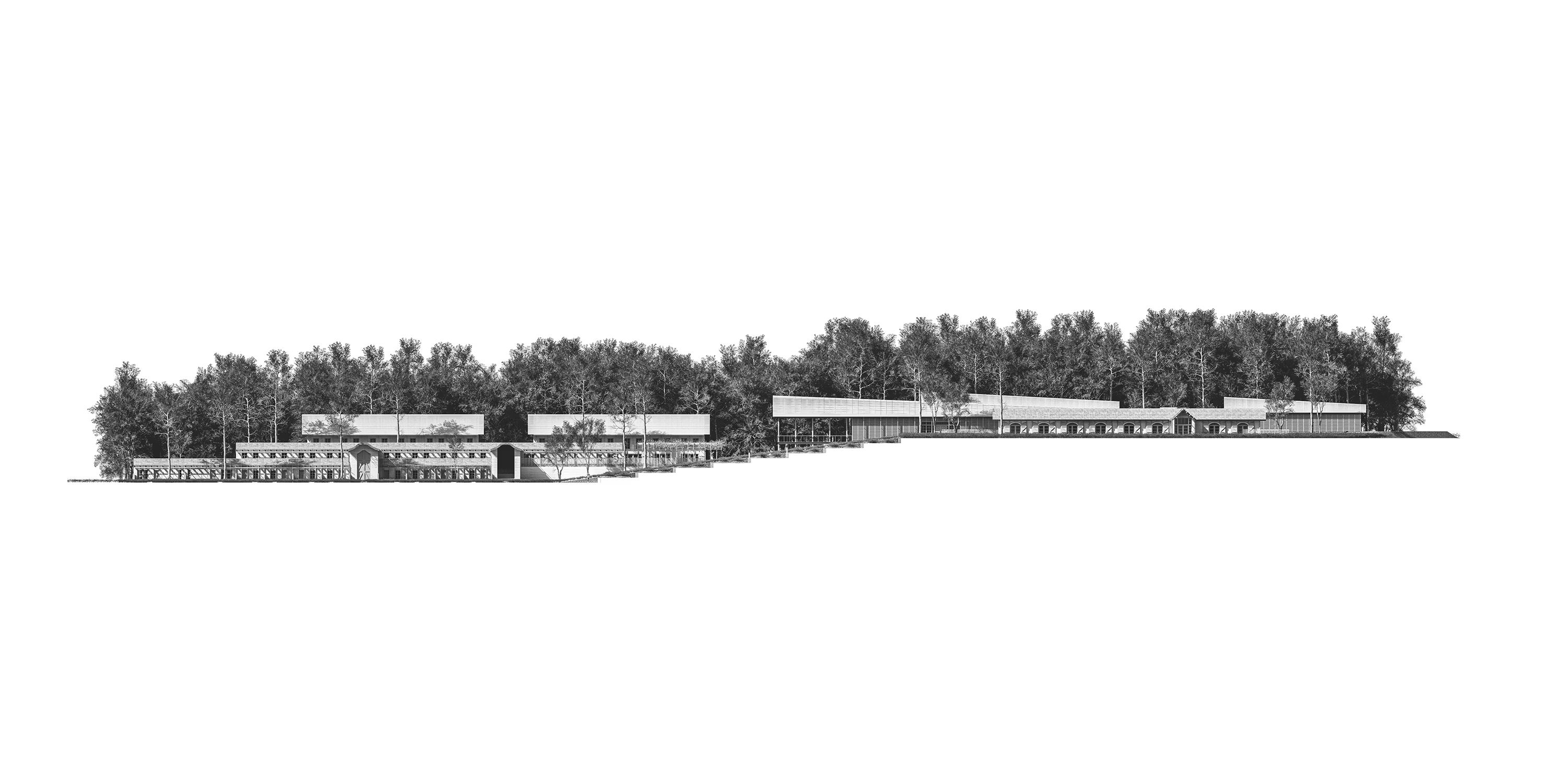
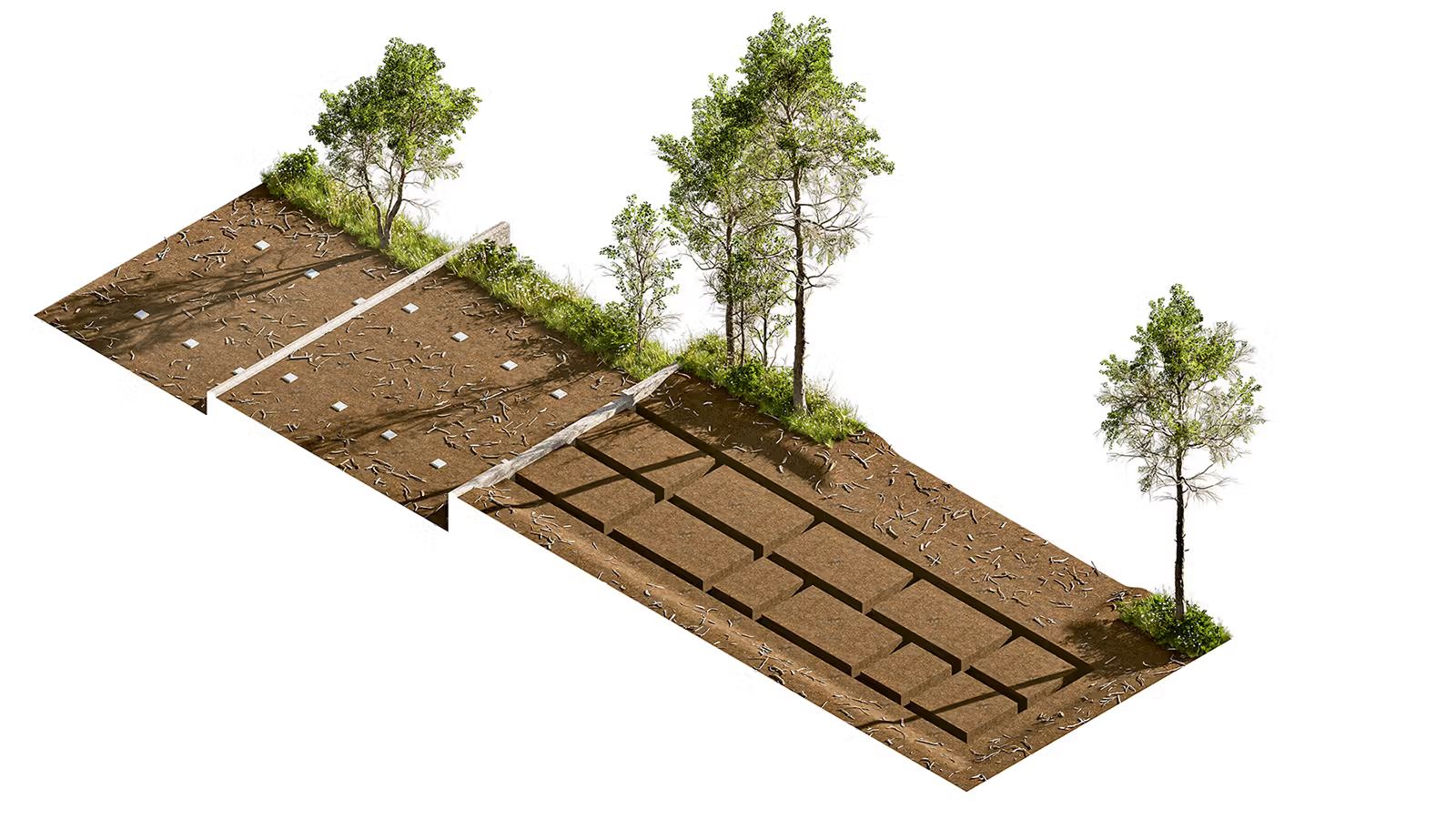
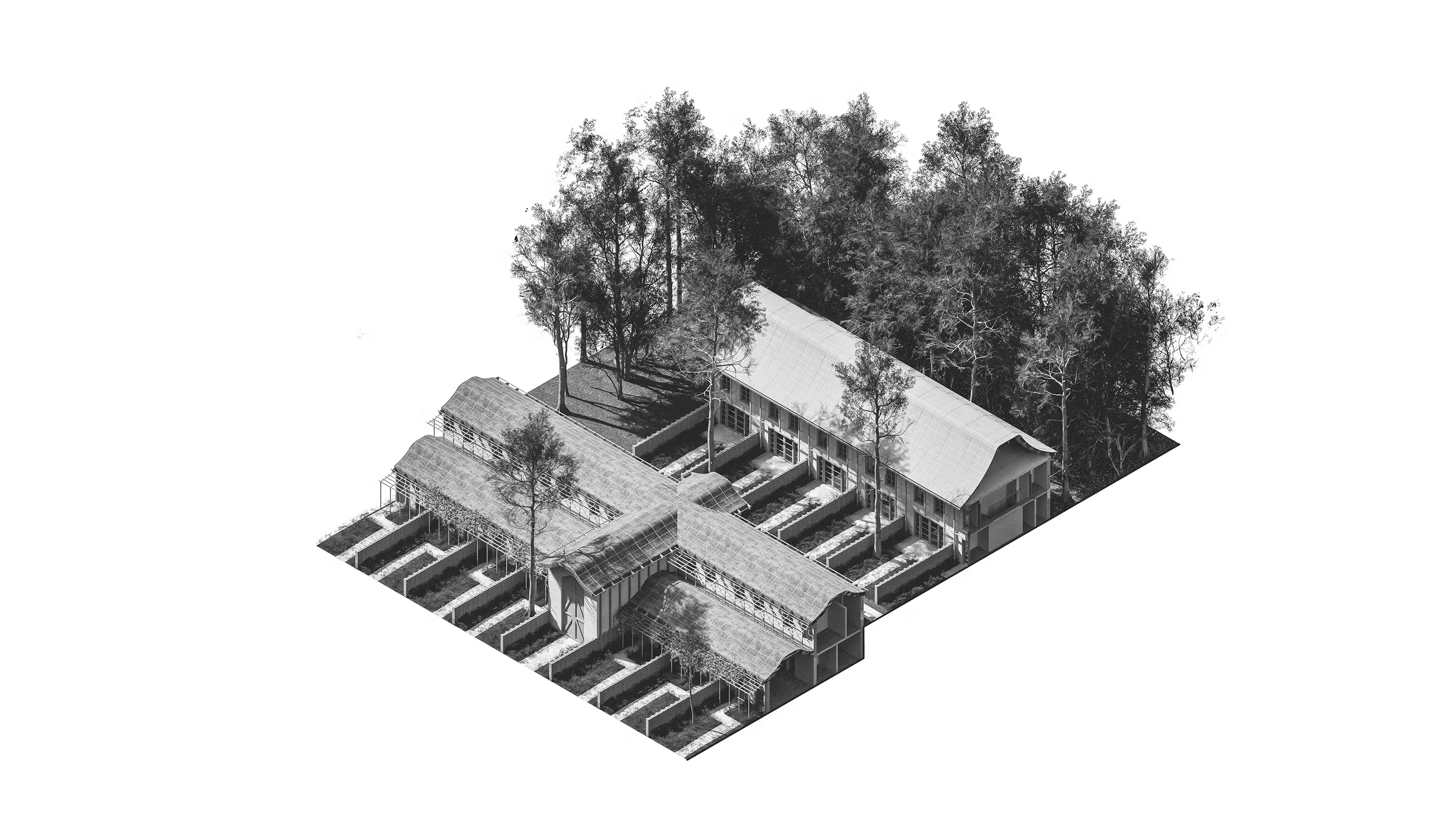
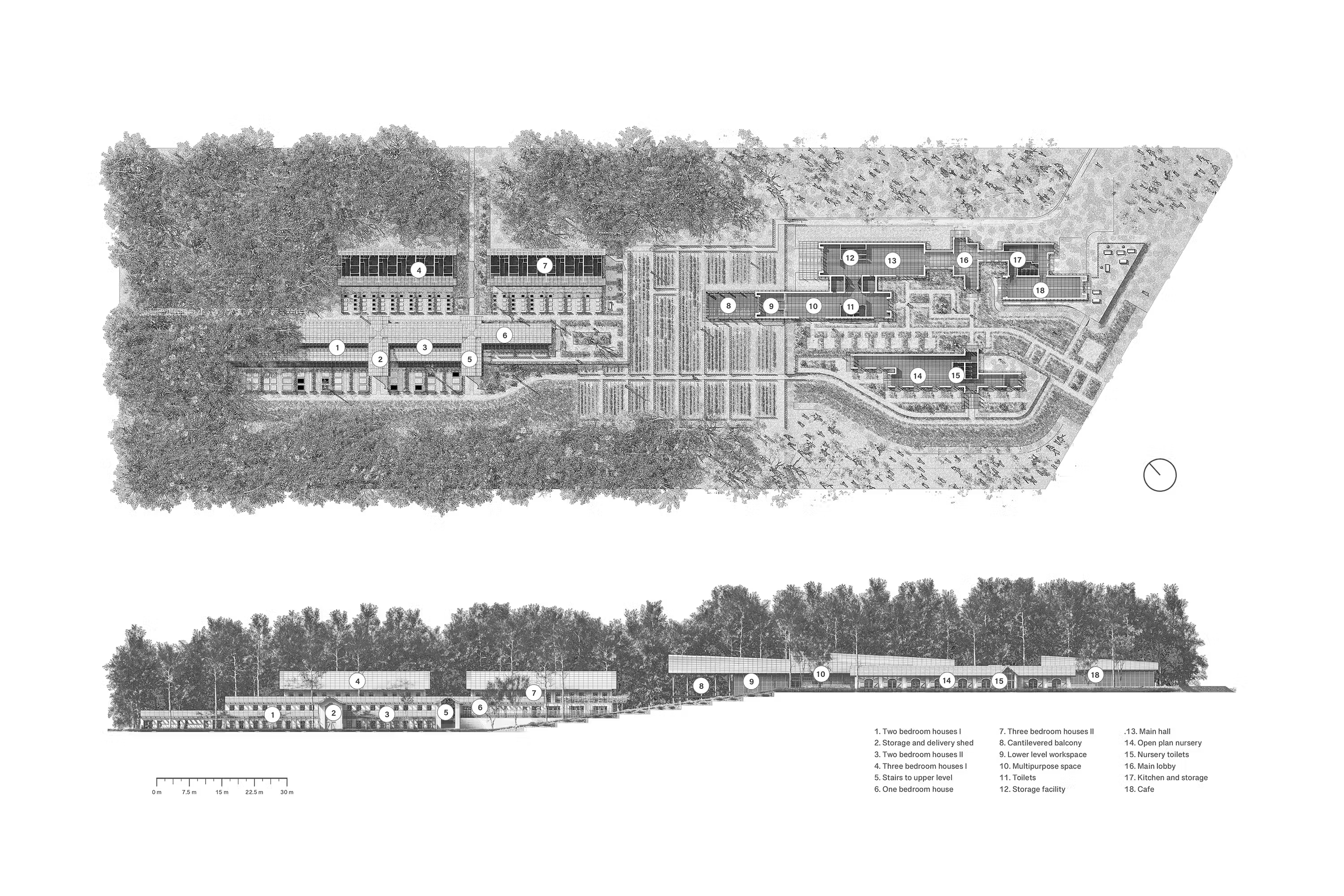
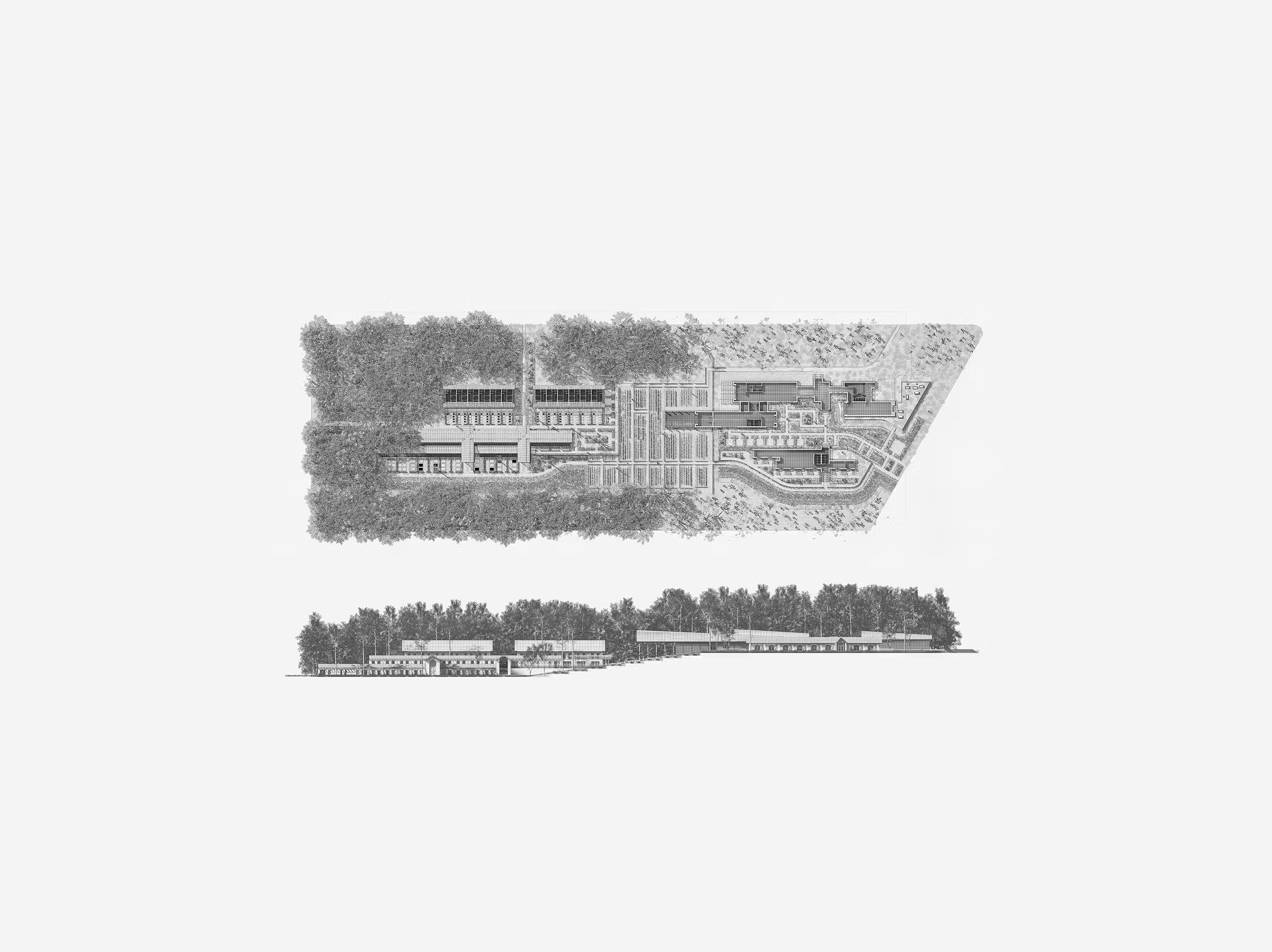
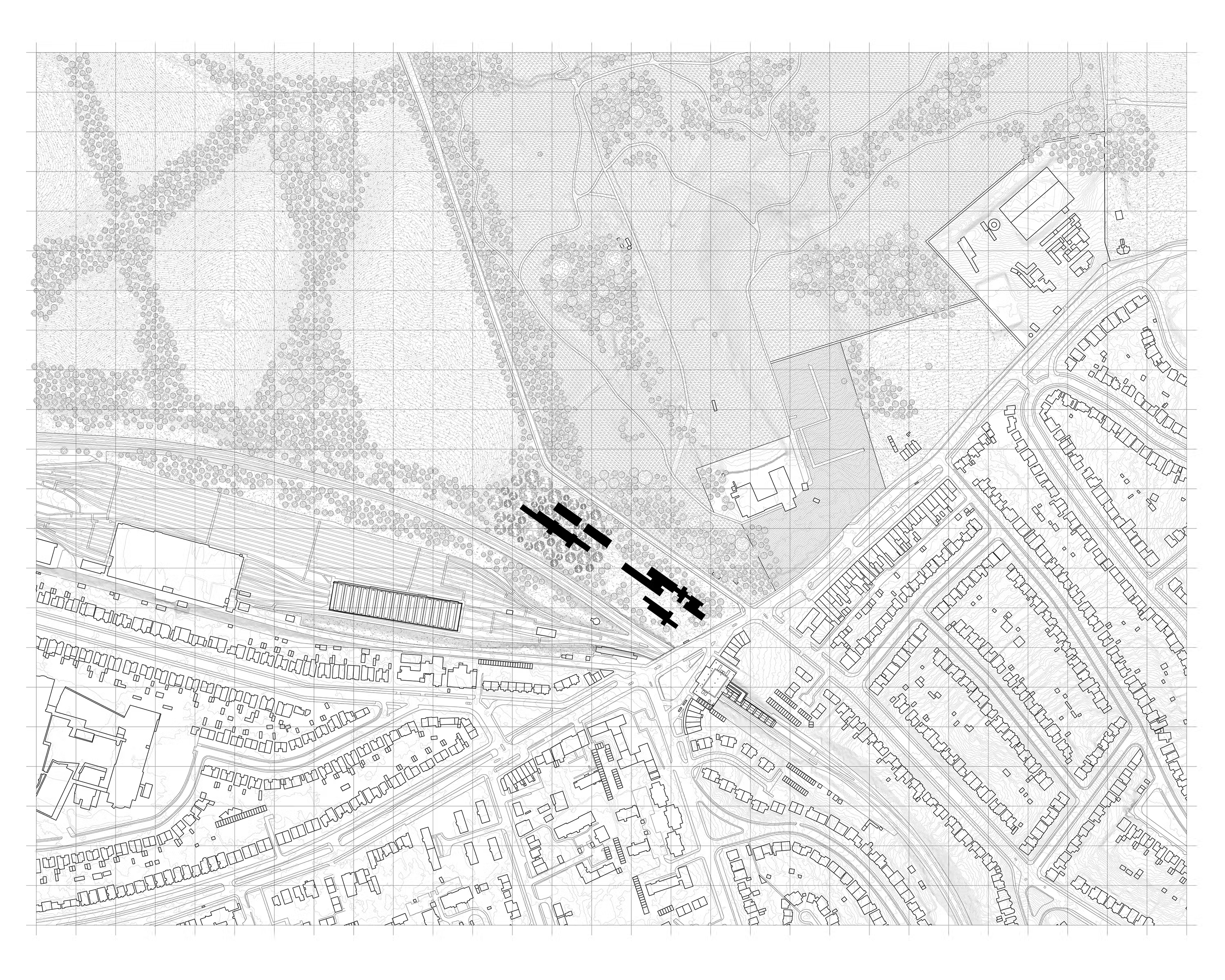
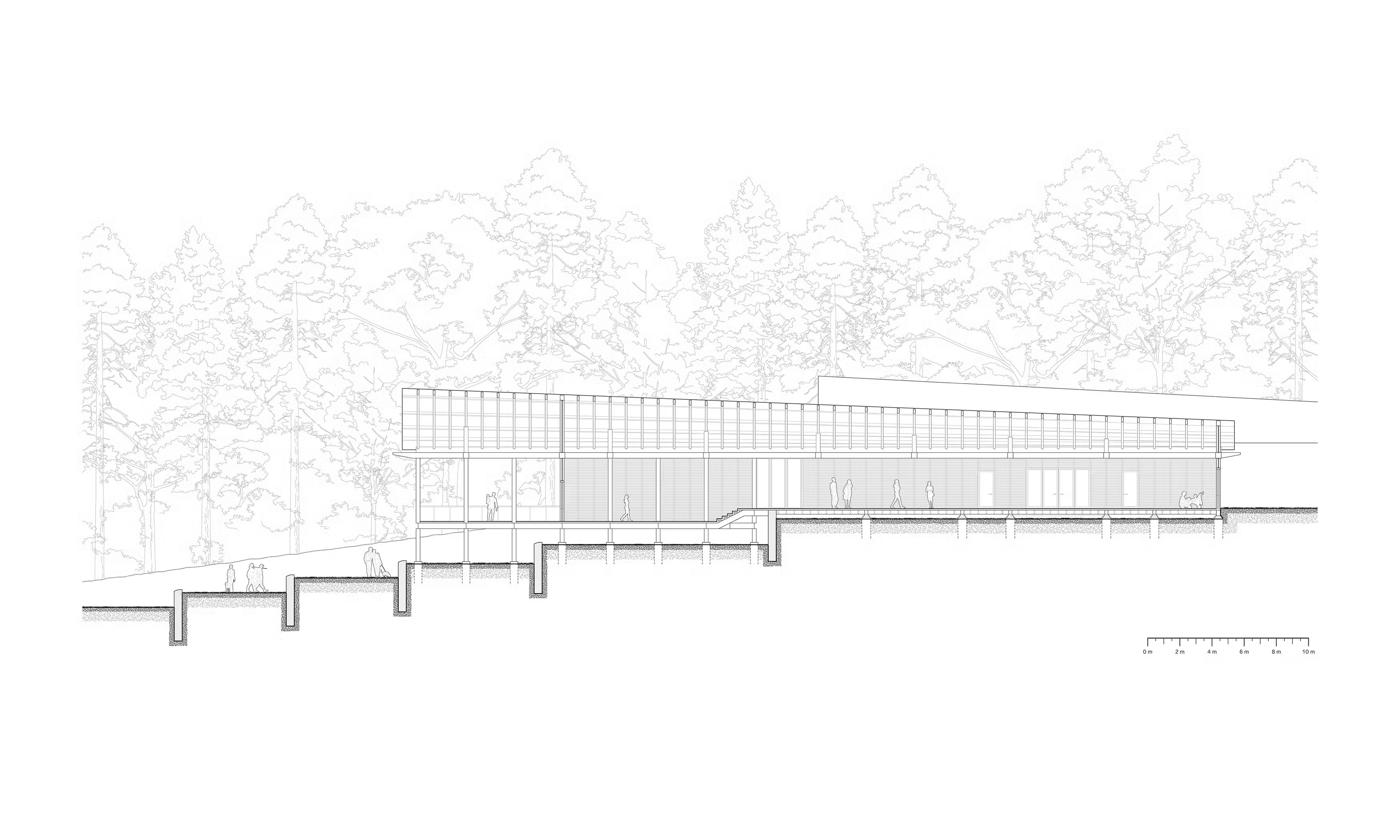
The site stretches for approximately 200 meters in length and 50 meters in width. The topography of the site slopes down notably on its northern boundary, away from the road that passes in front of the underground station.
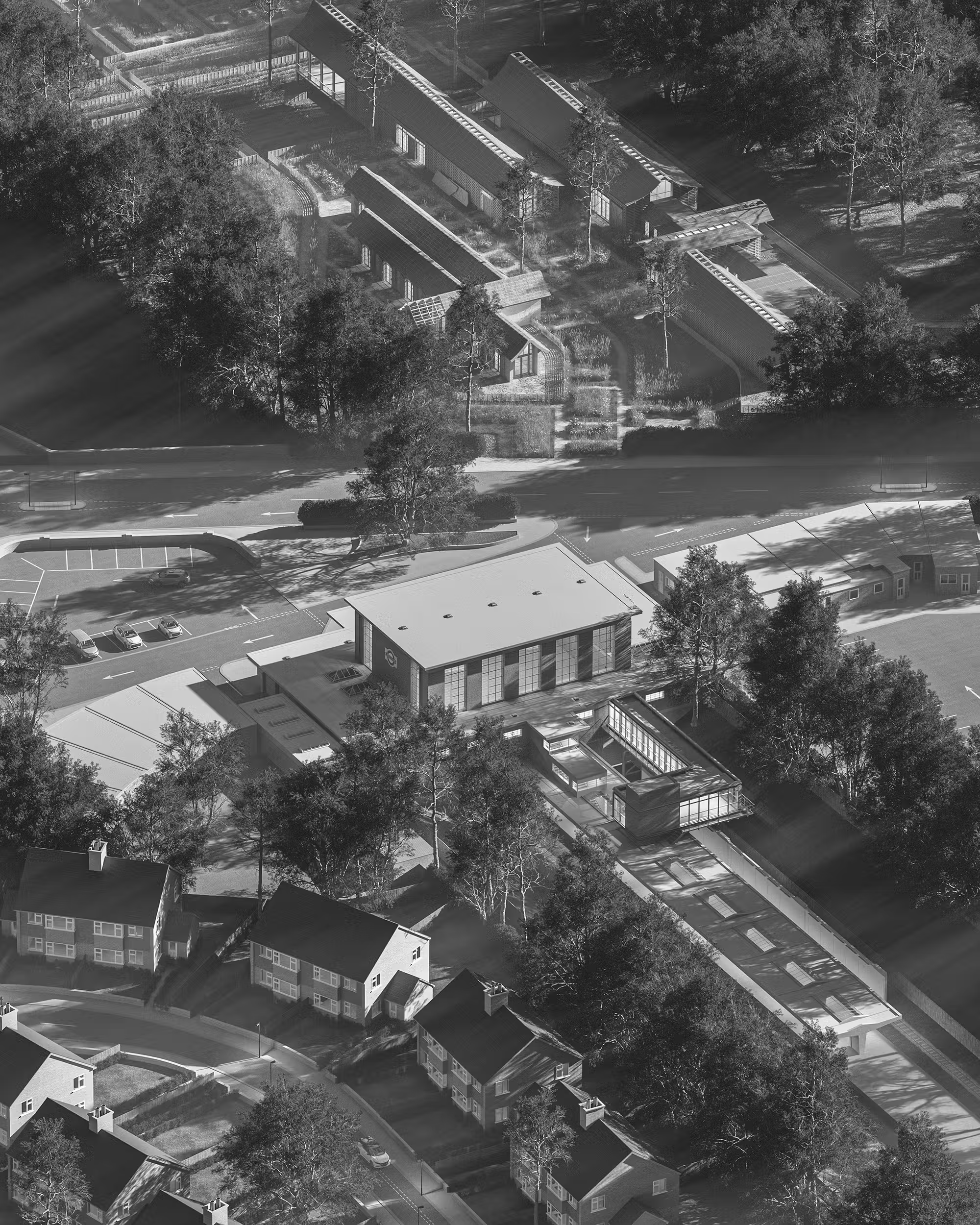
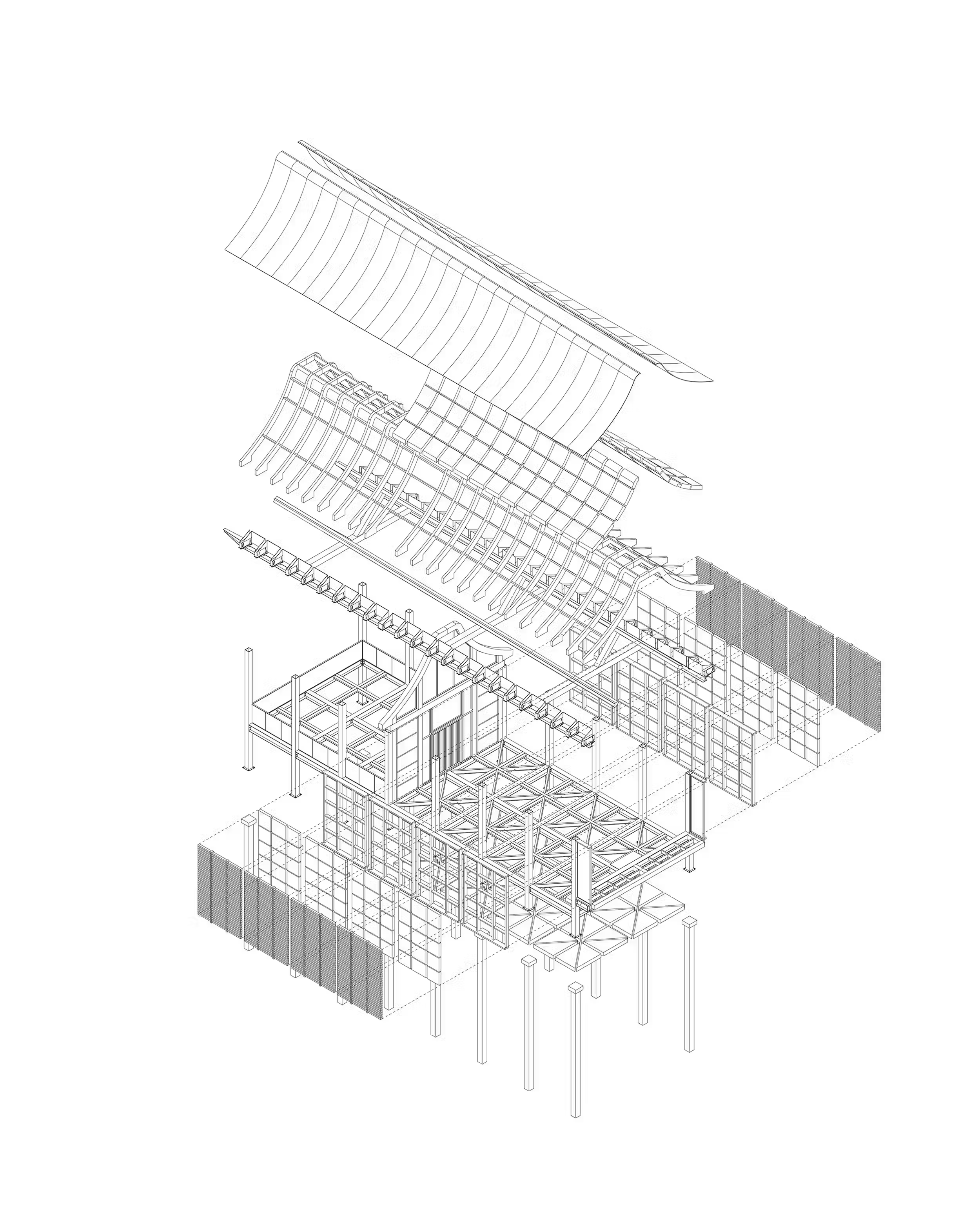
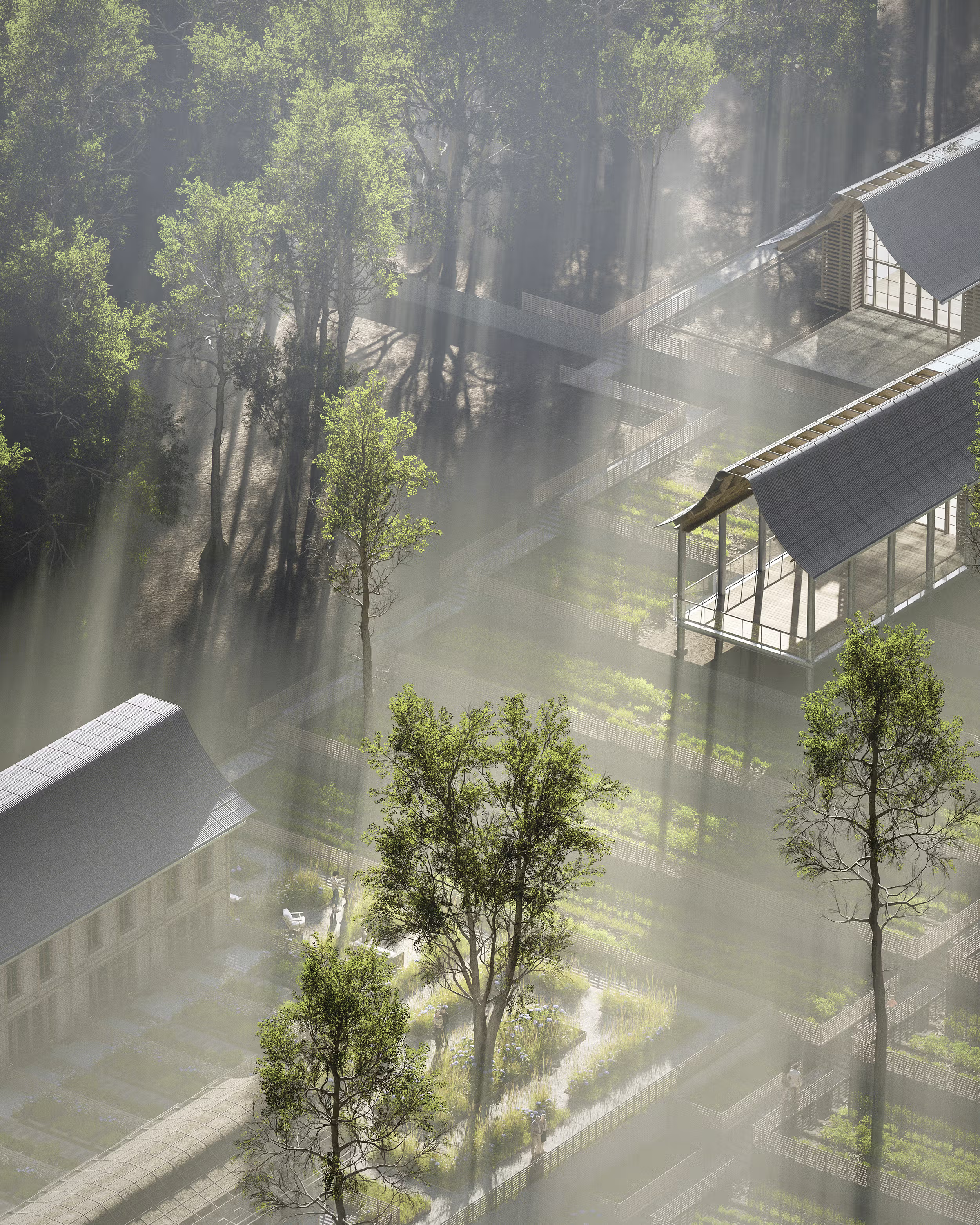
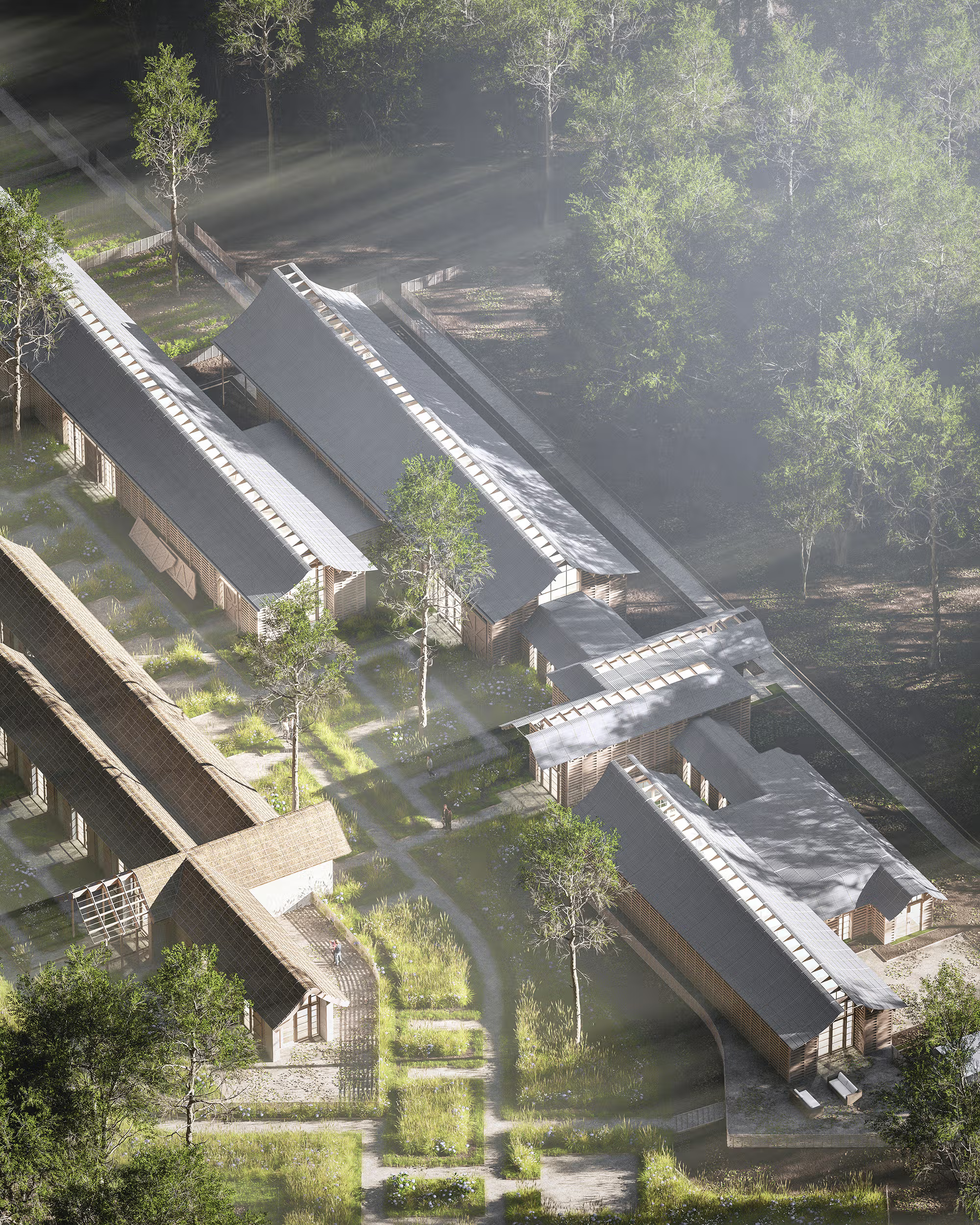
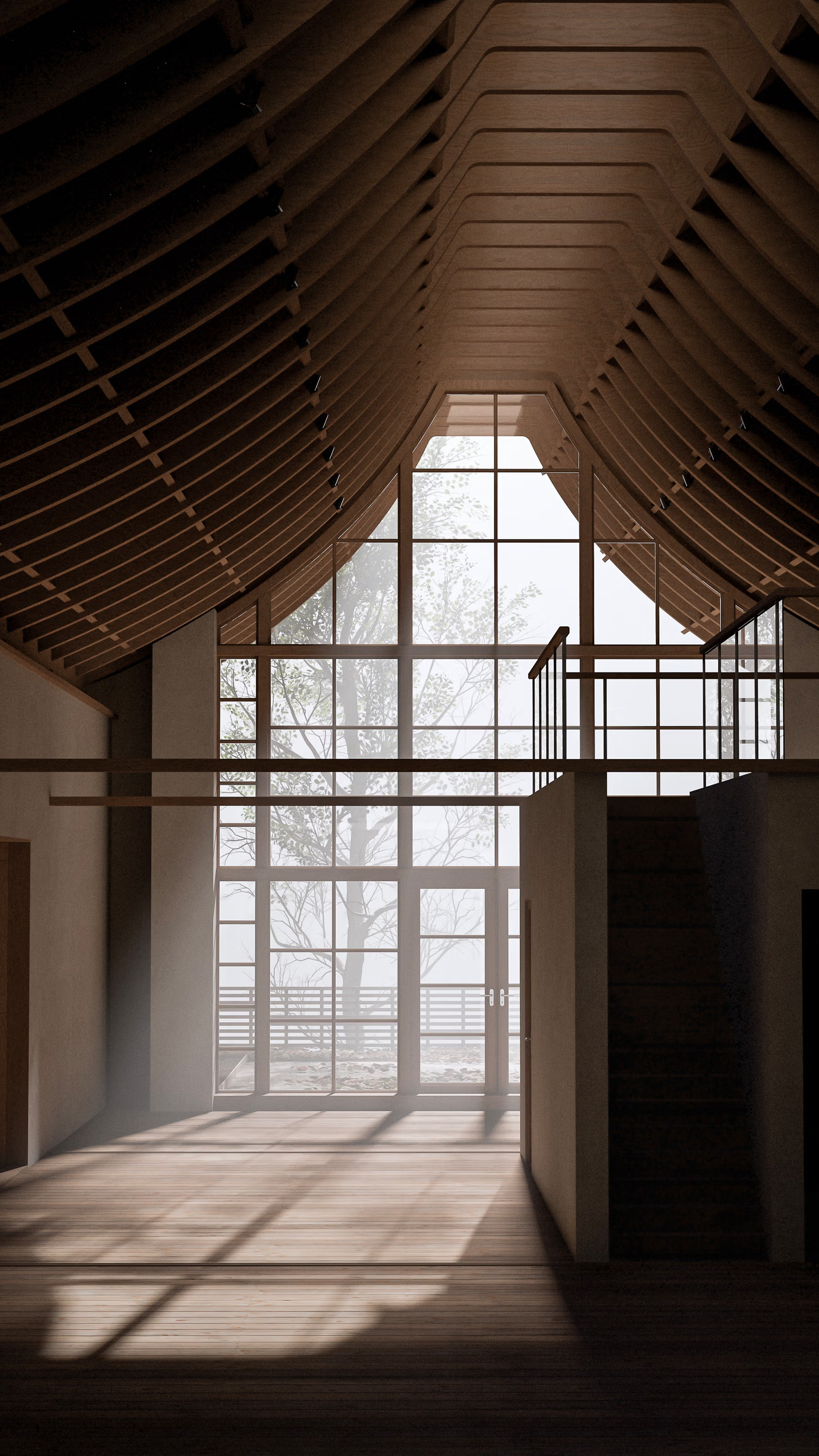
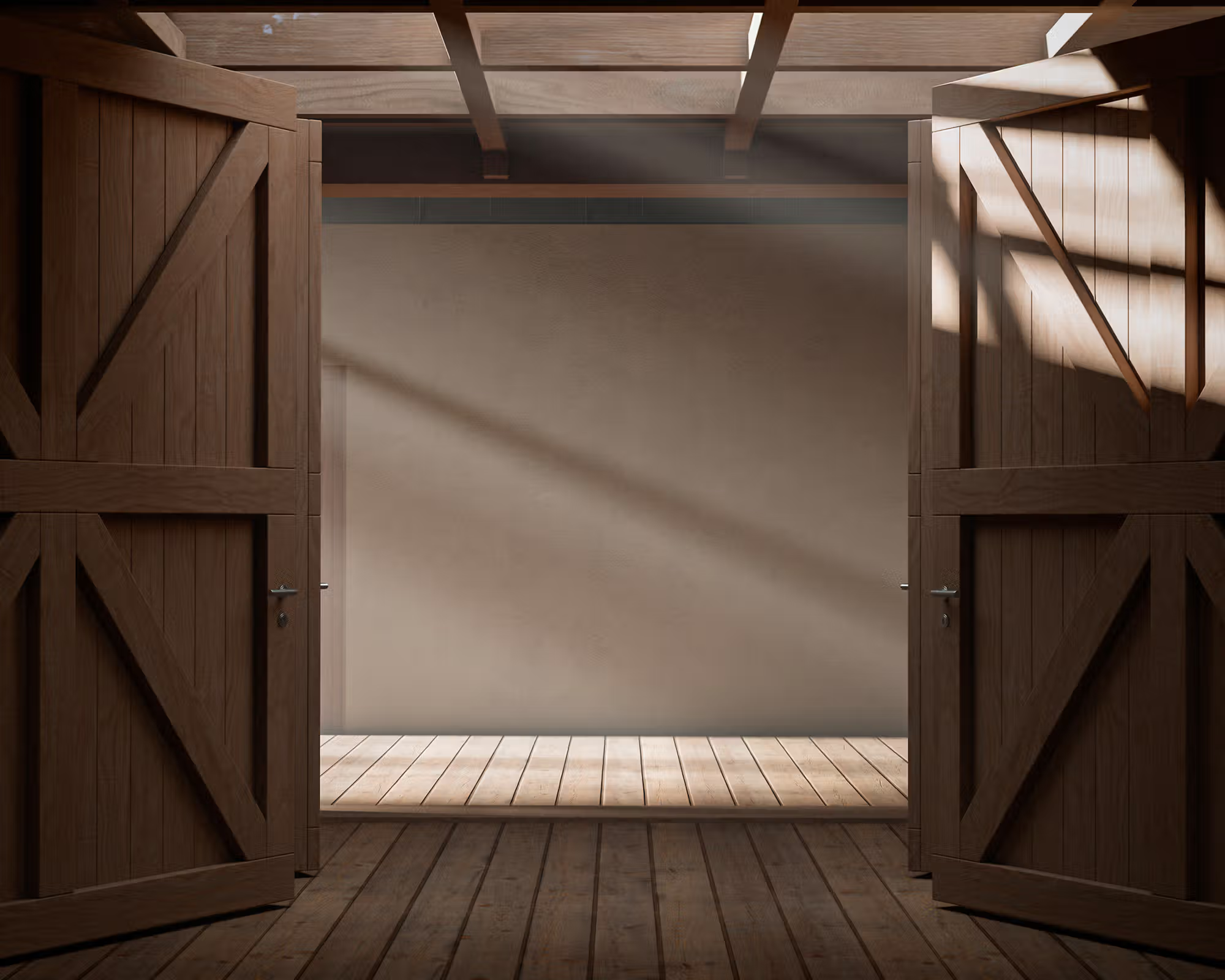
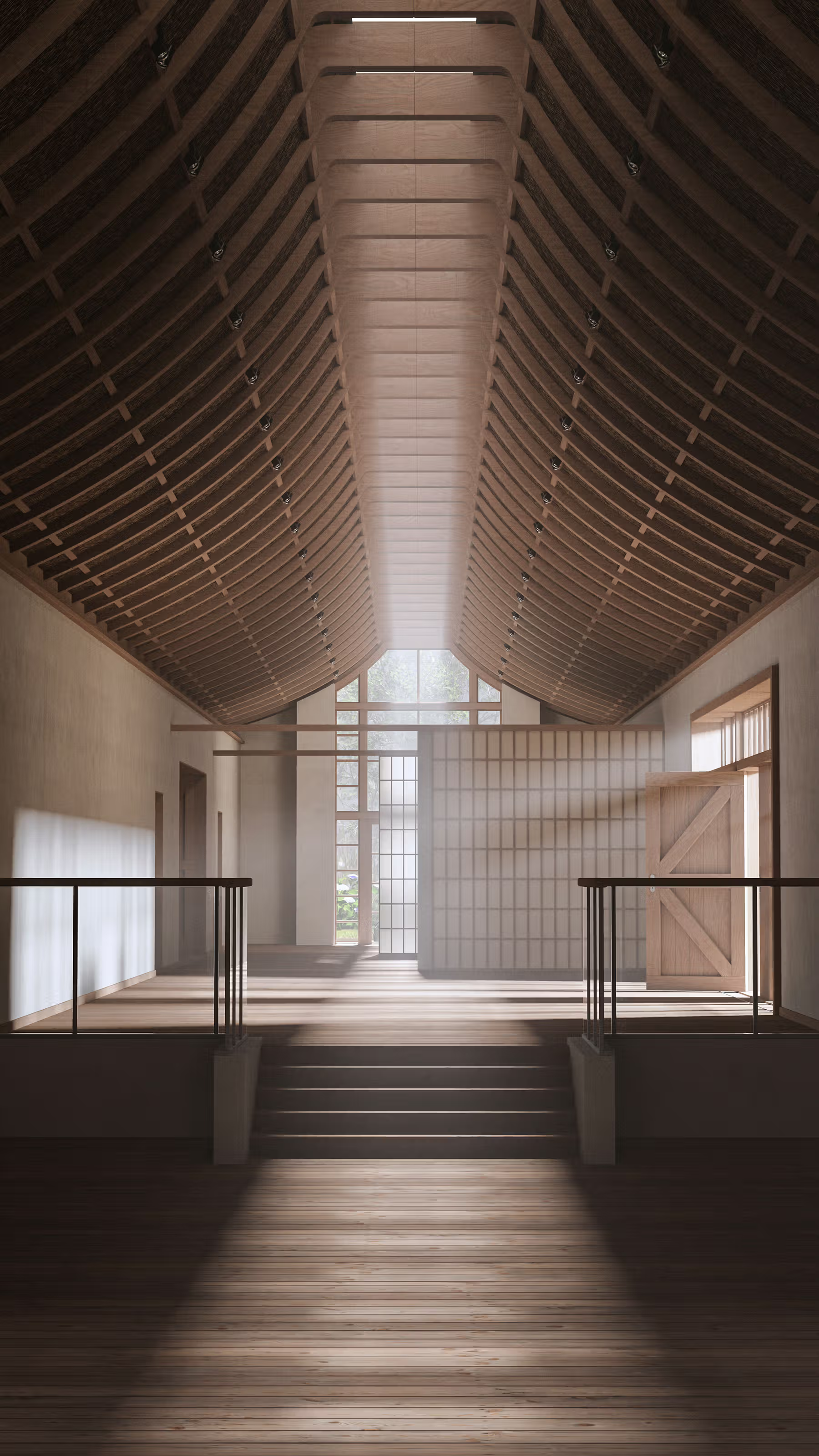
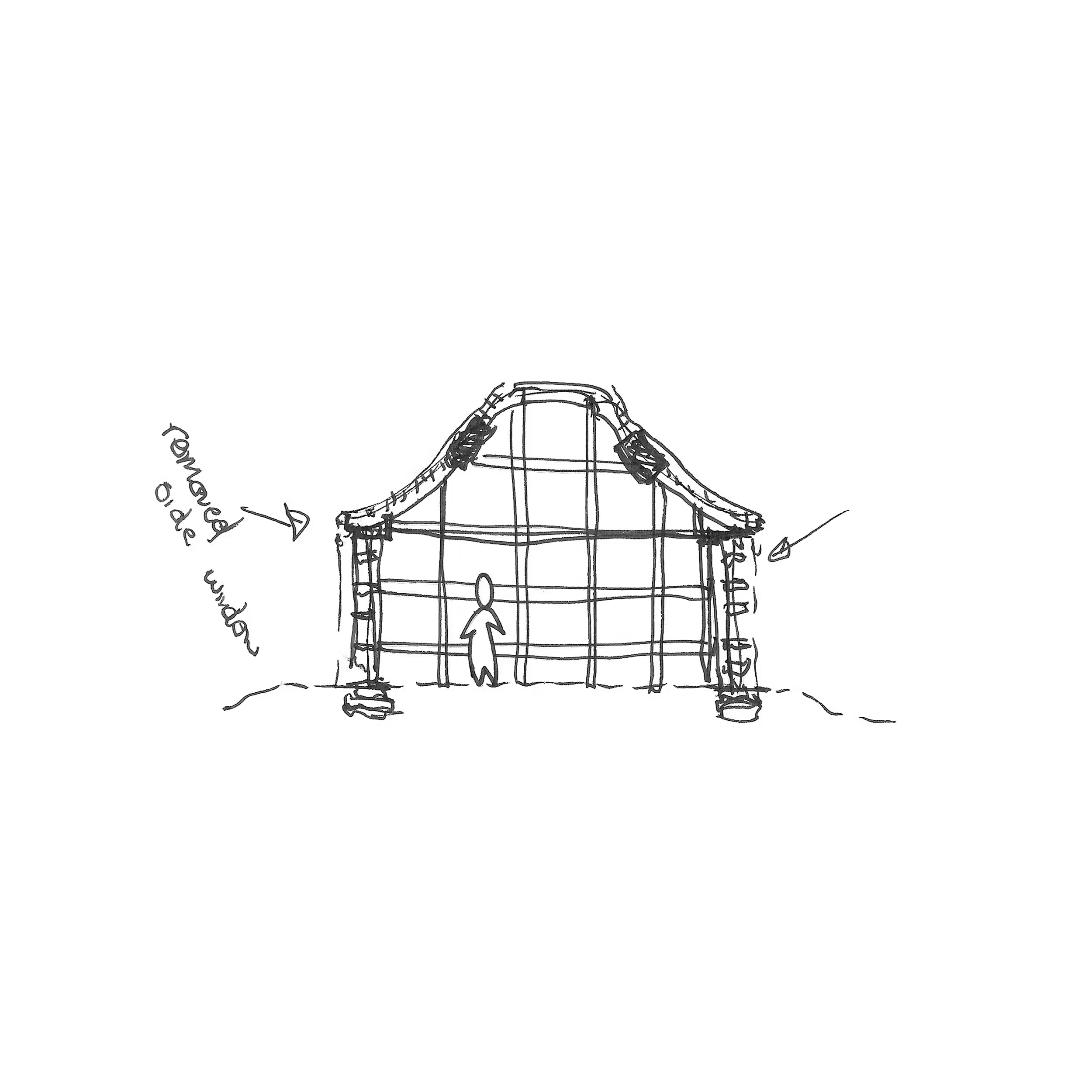
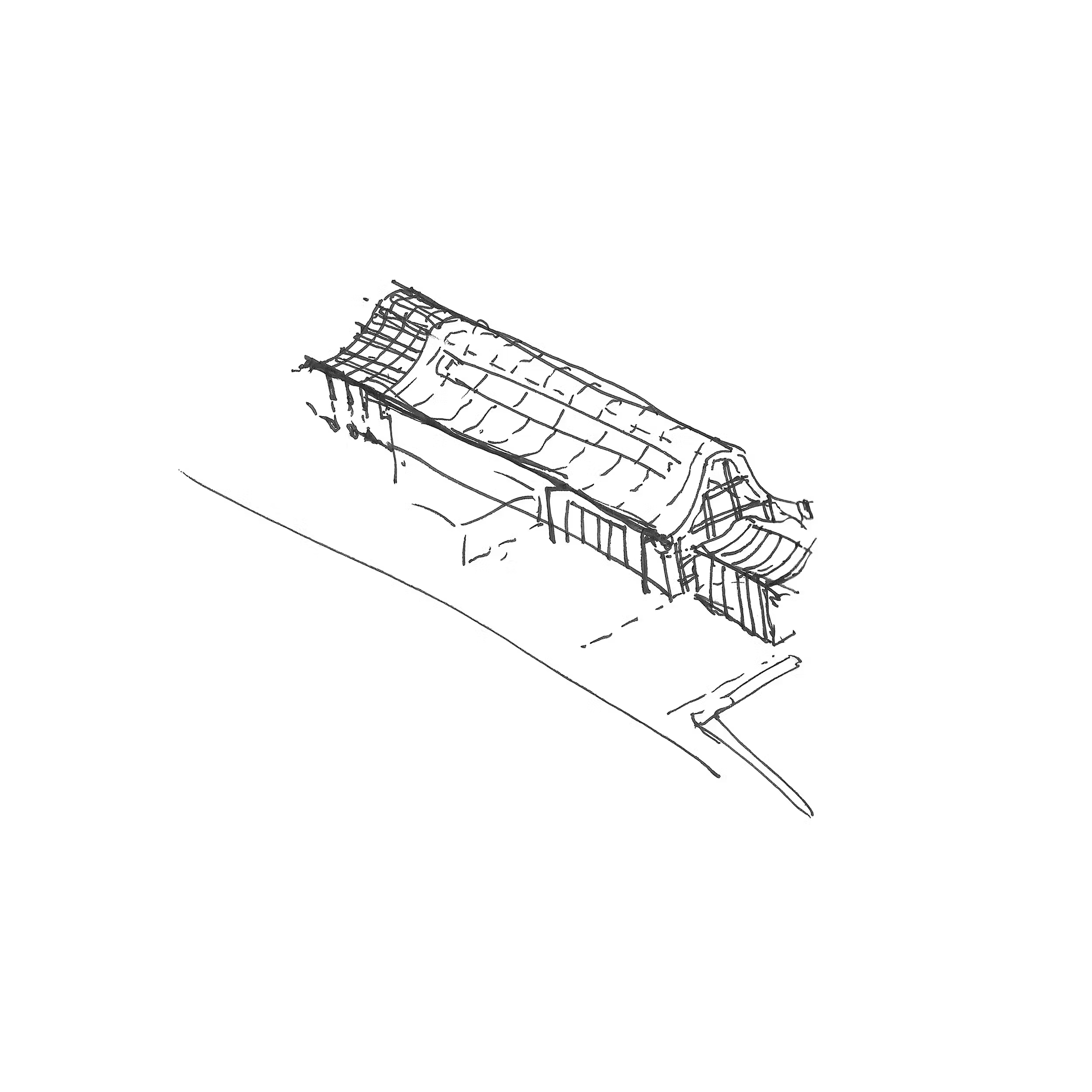
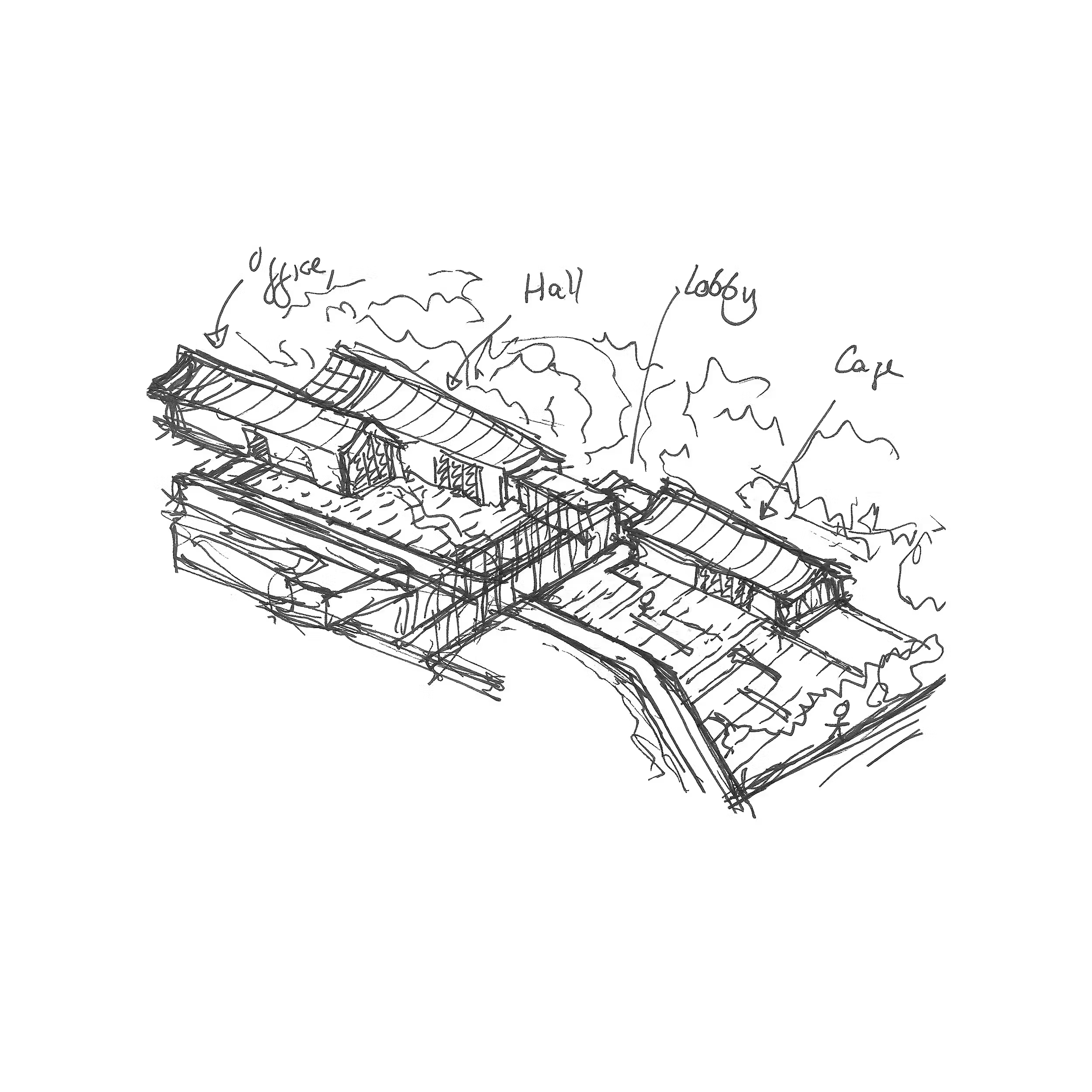
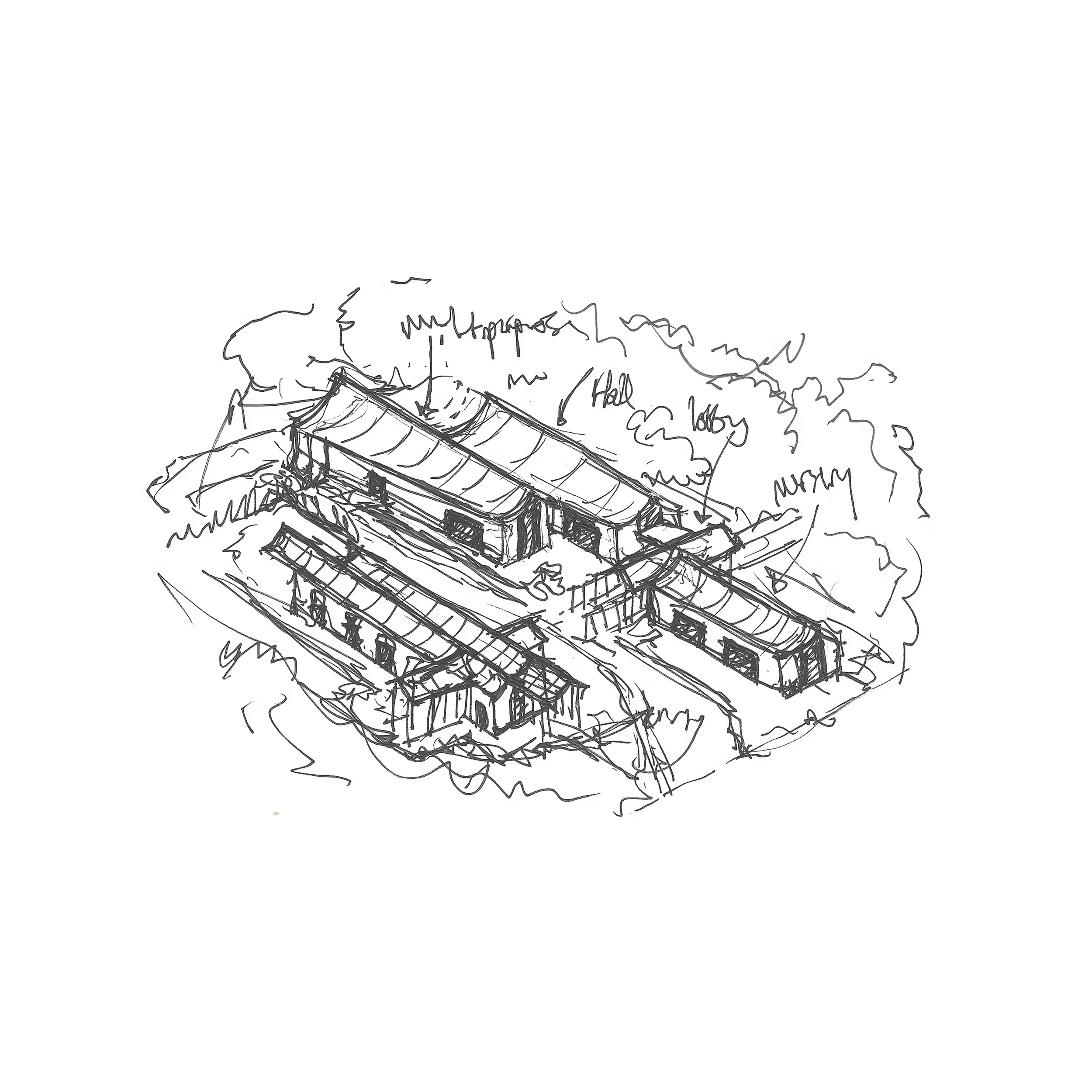
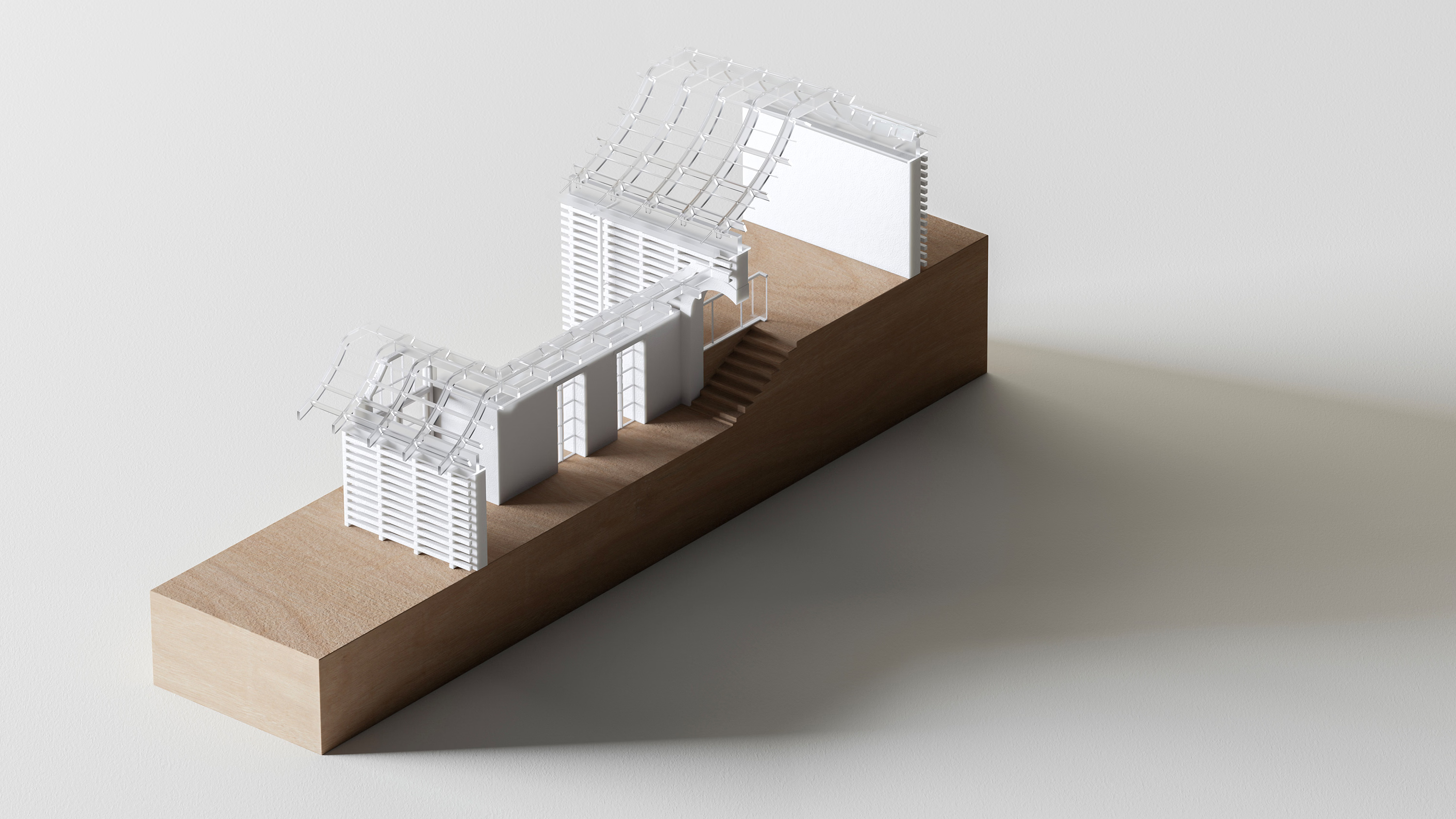
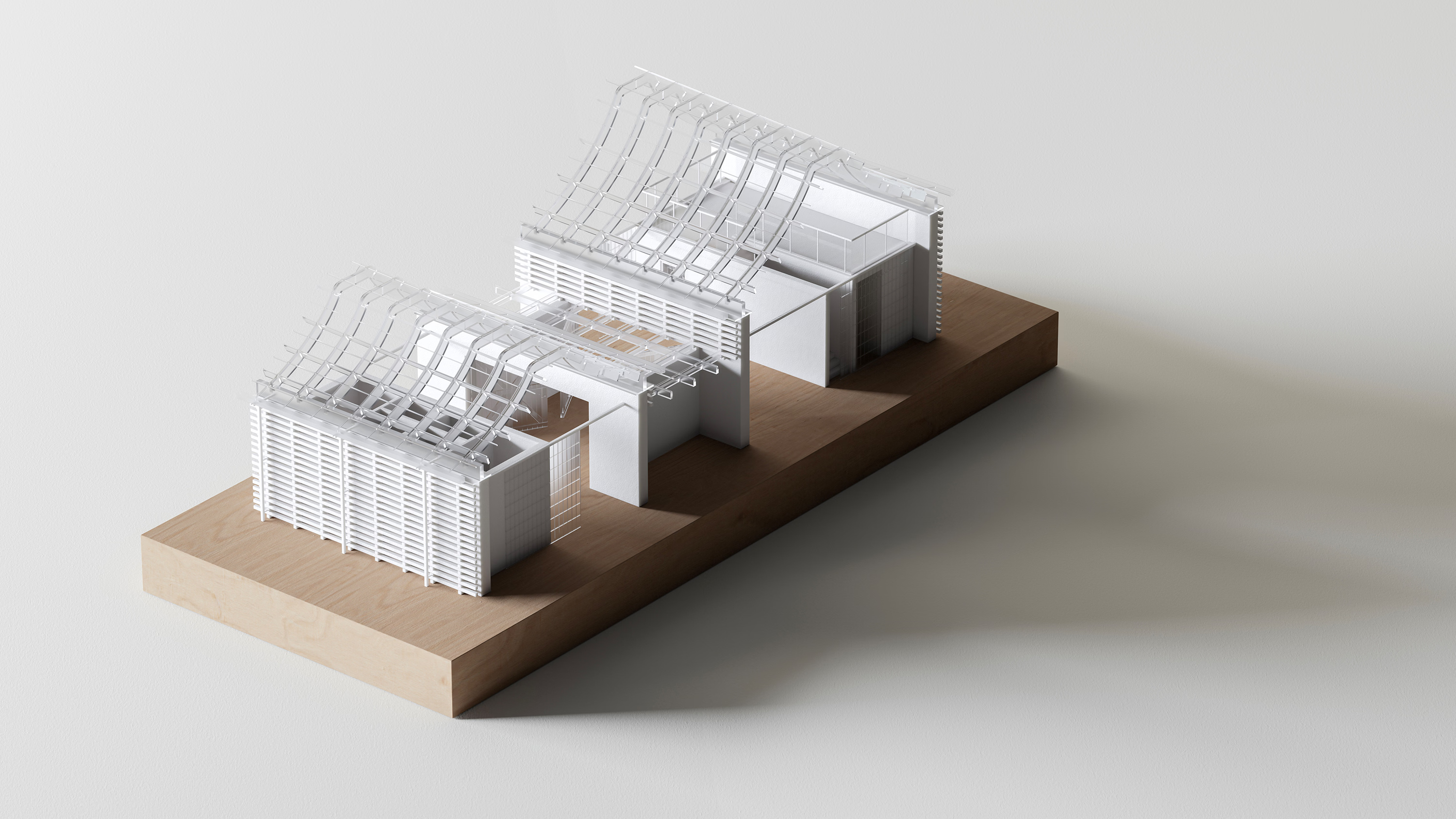
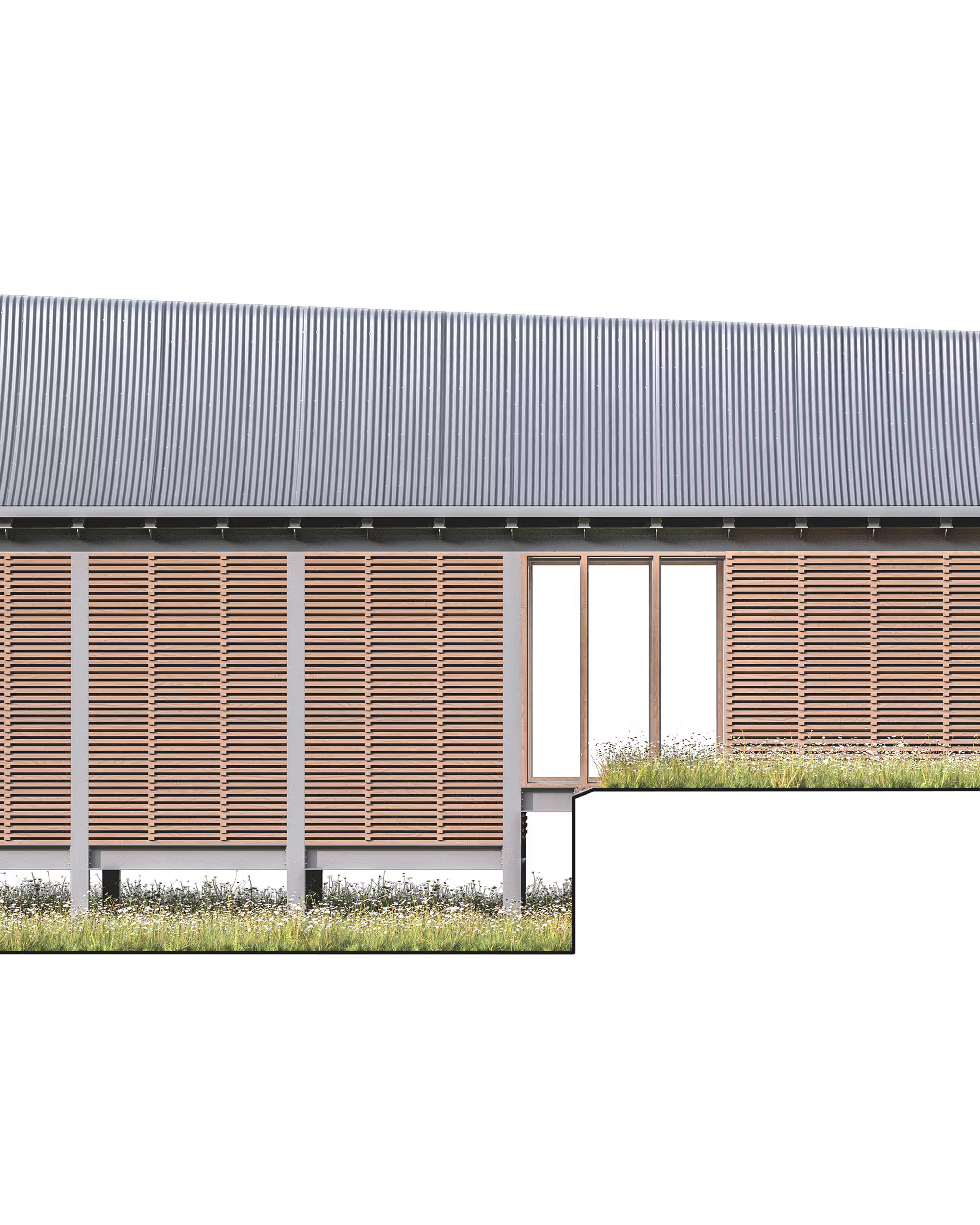
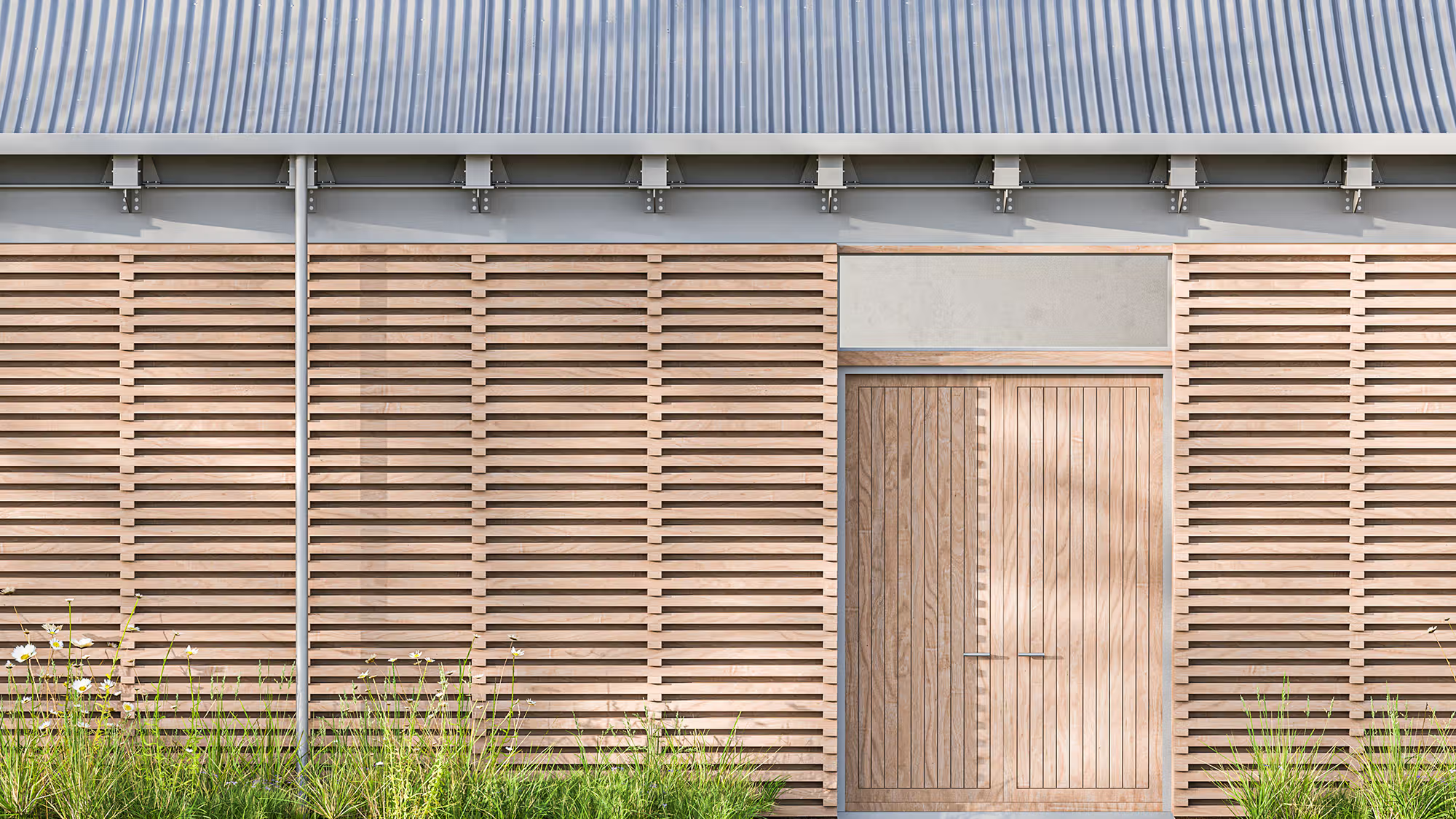
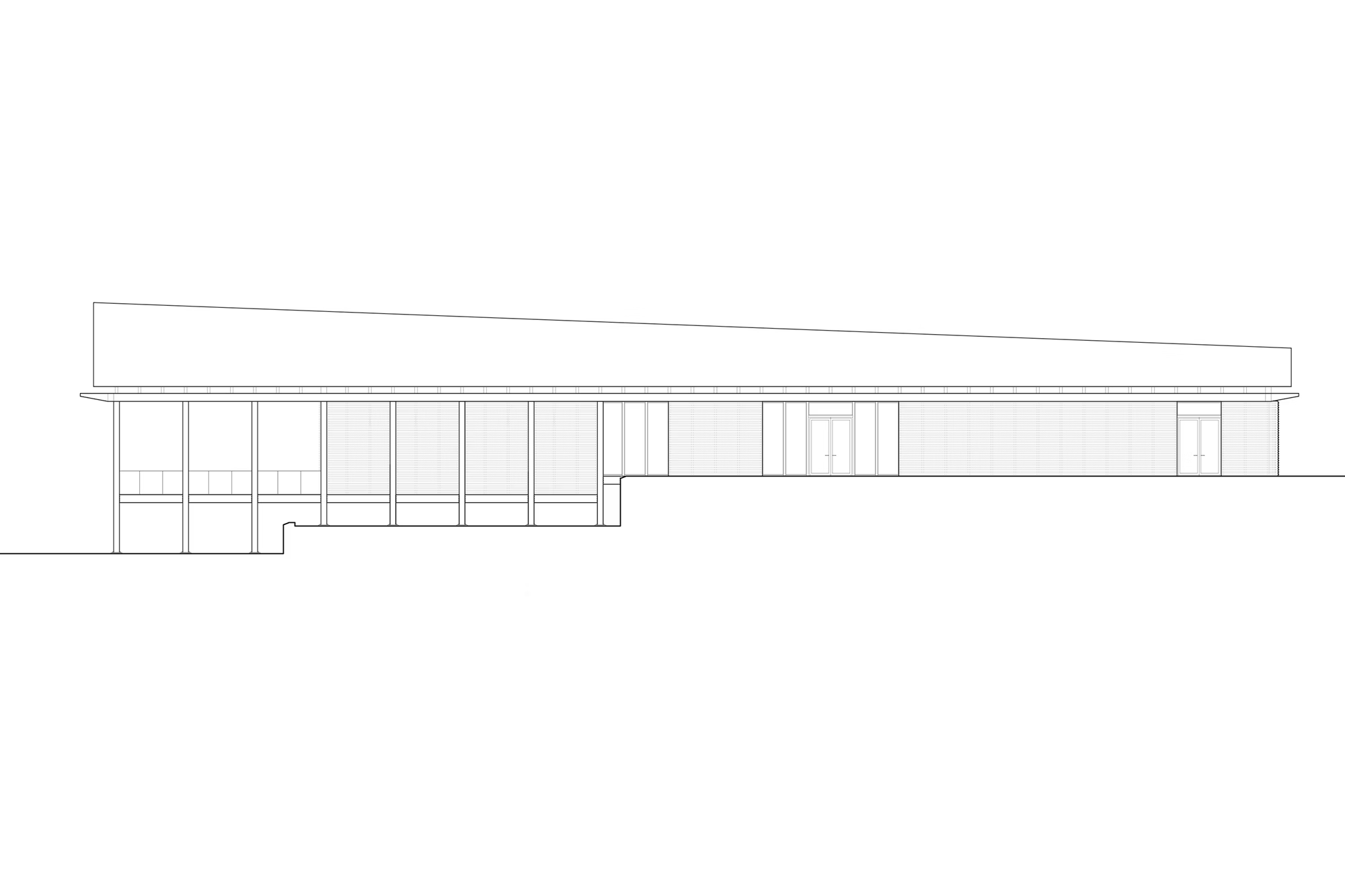
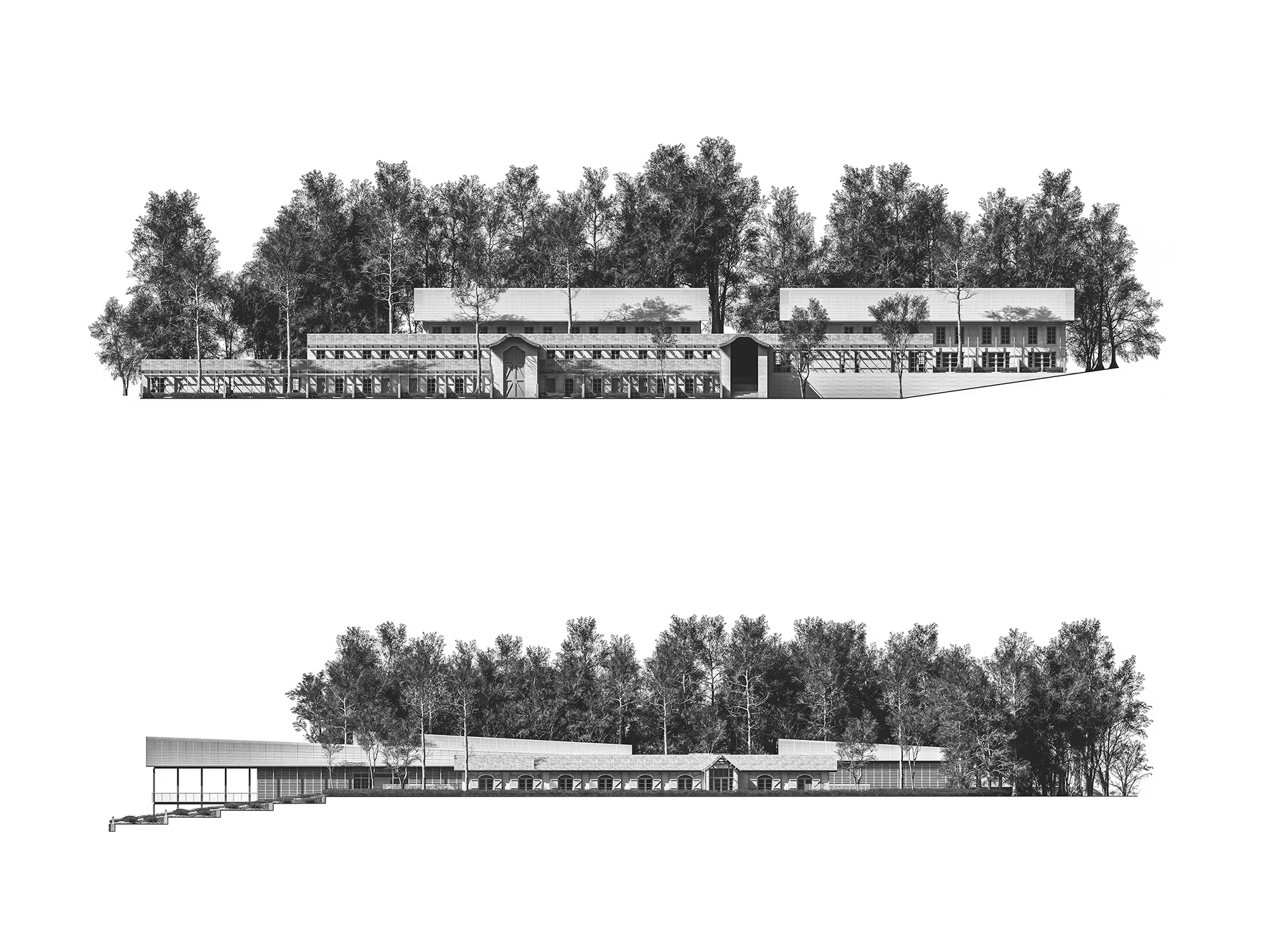
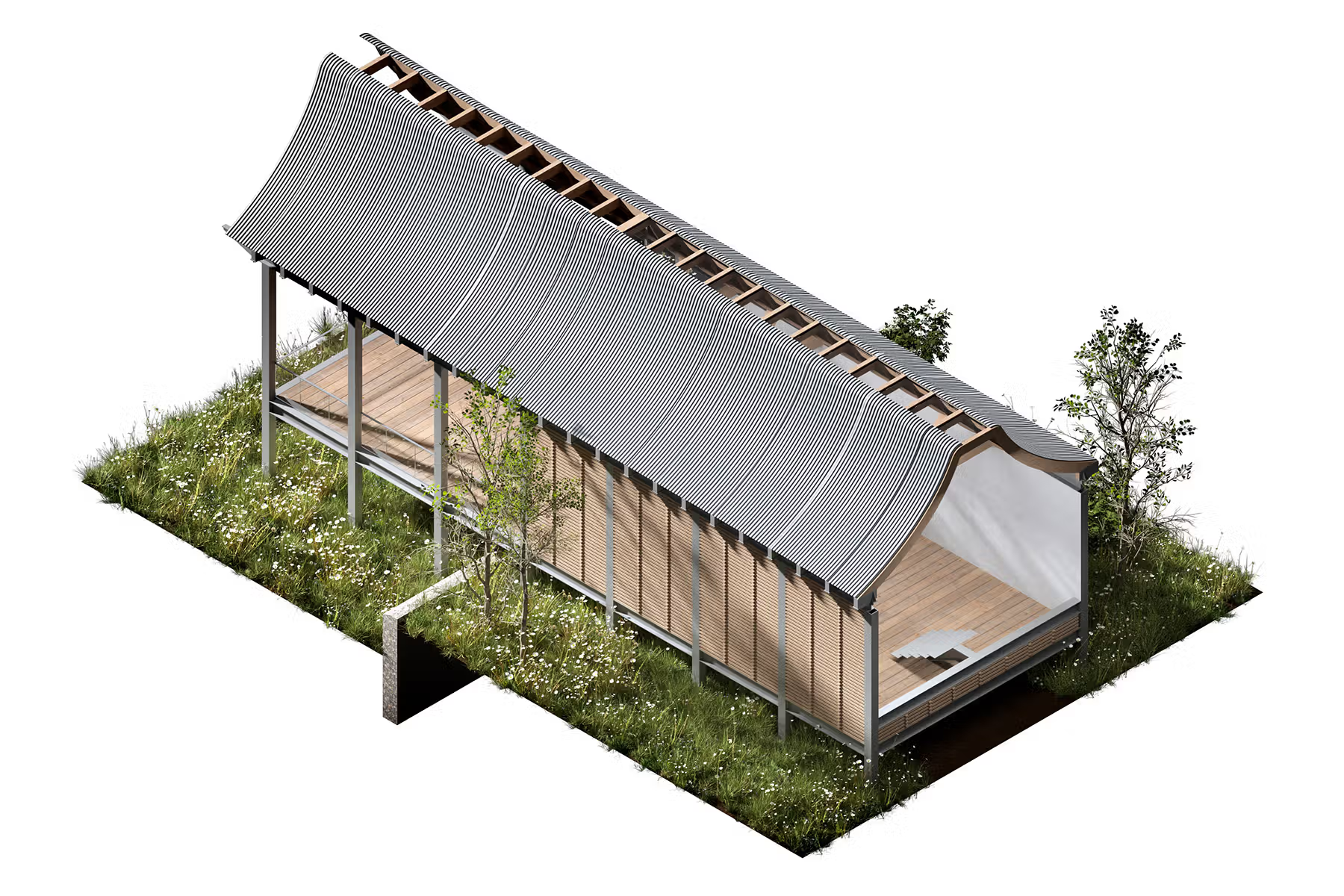
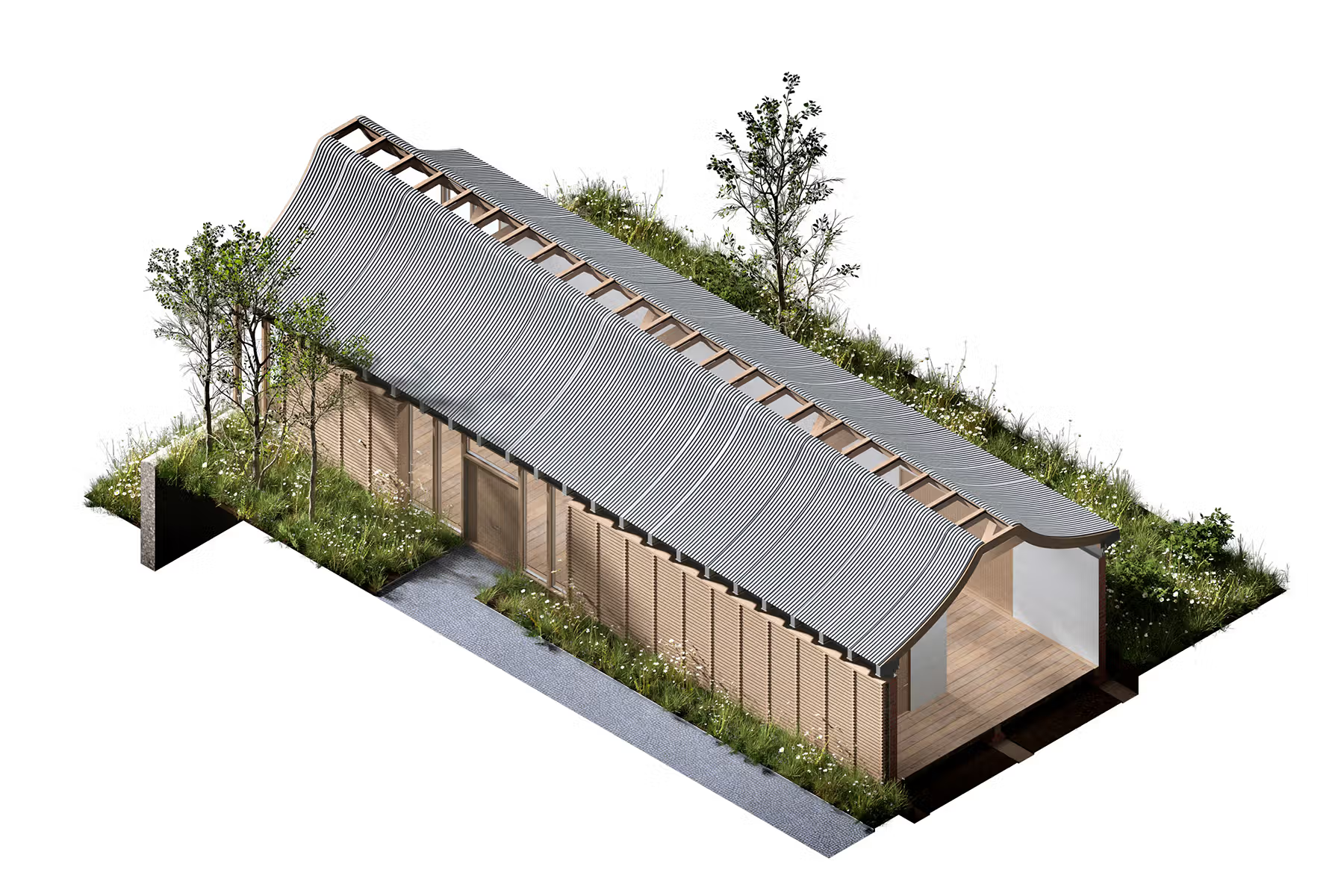
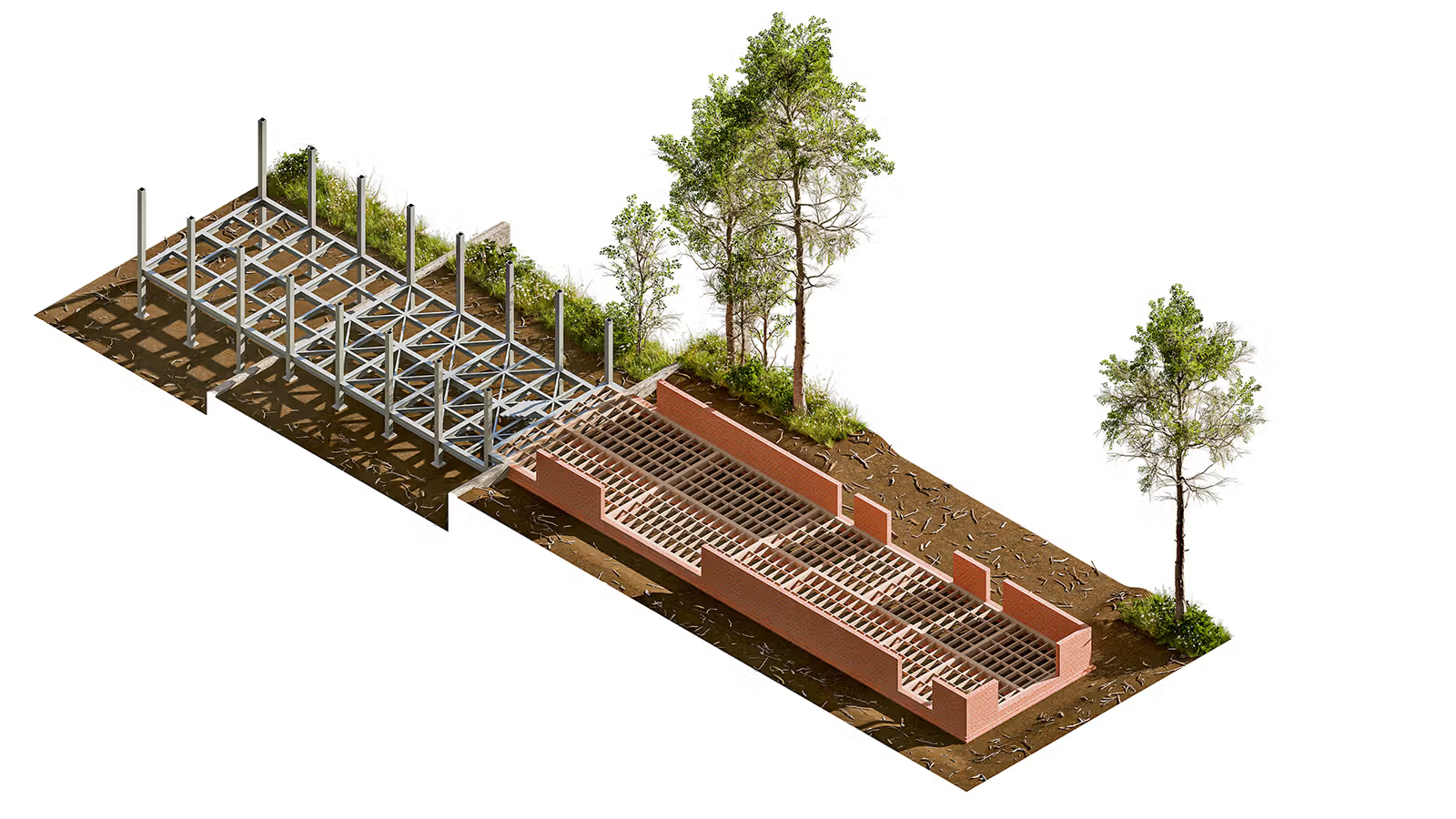
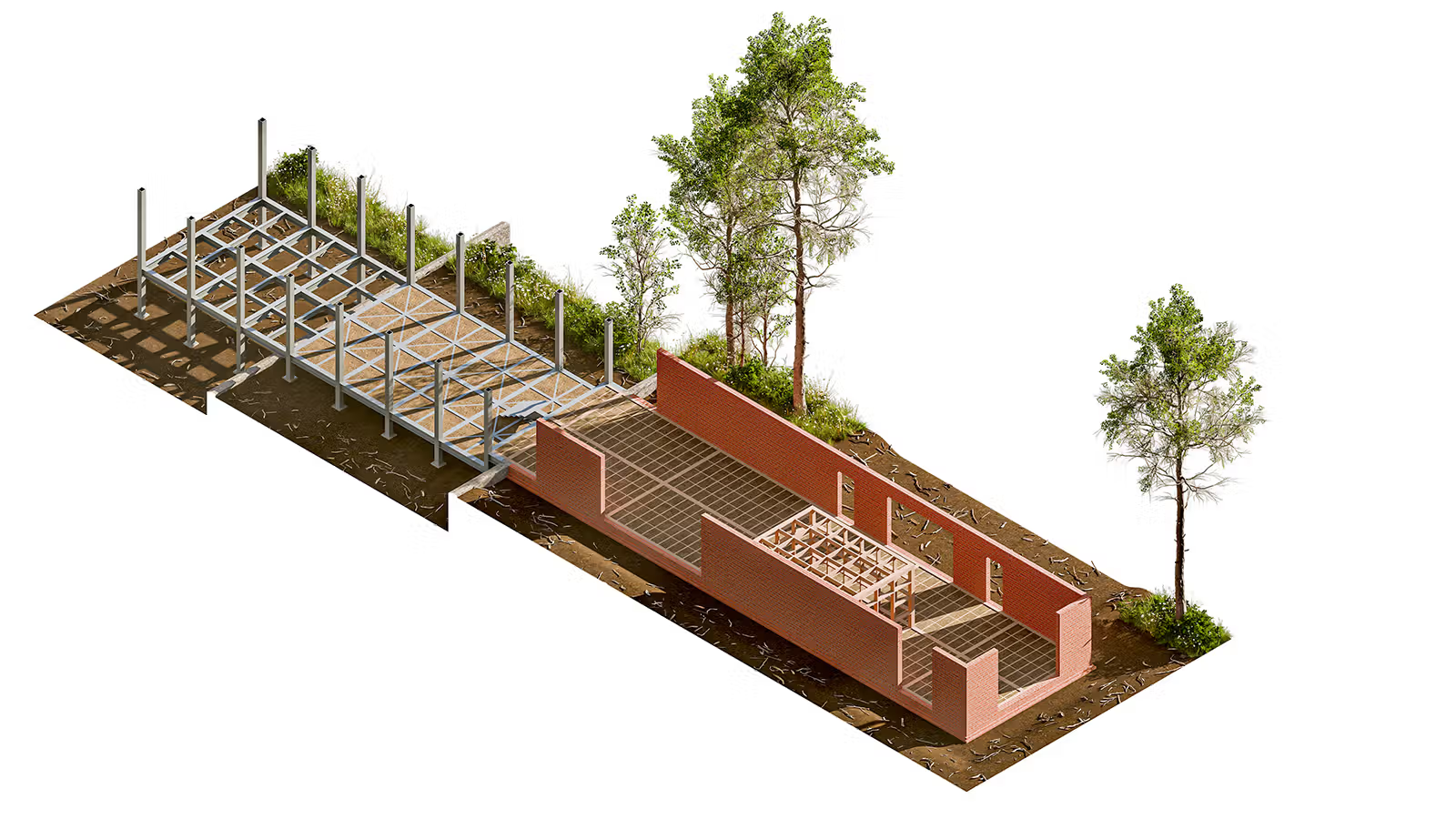
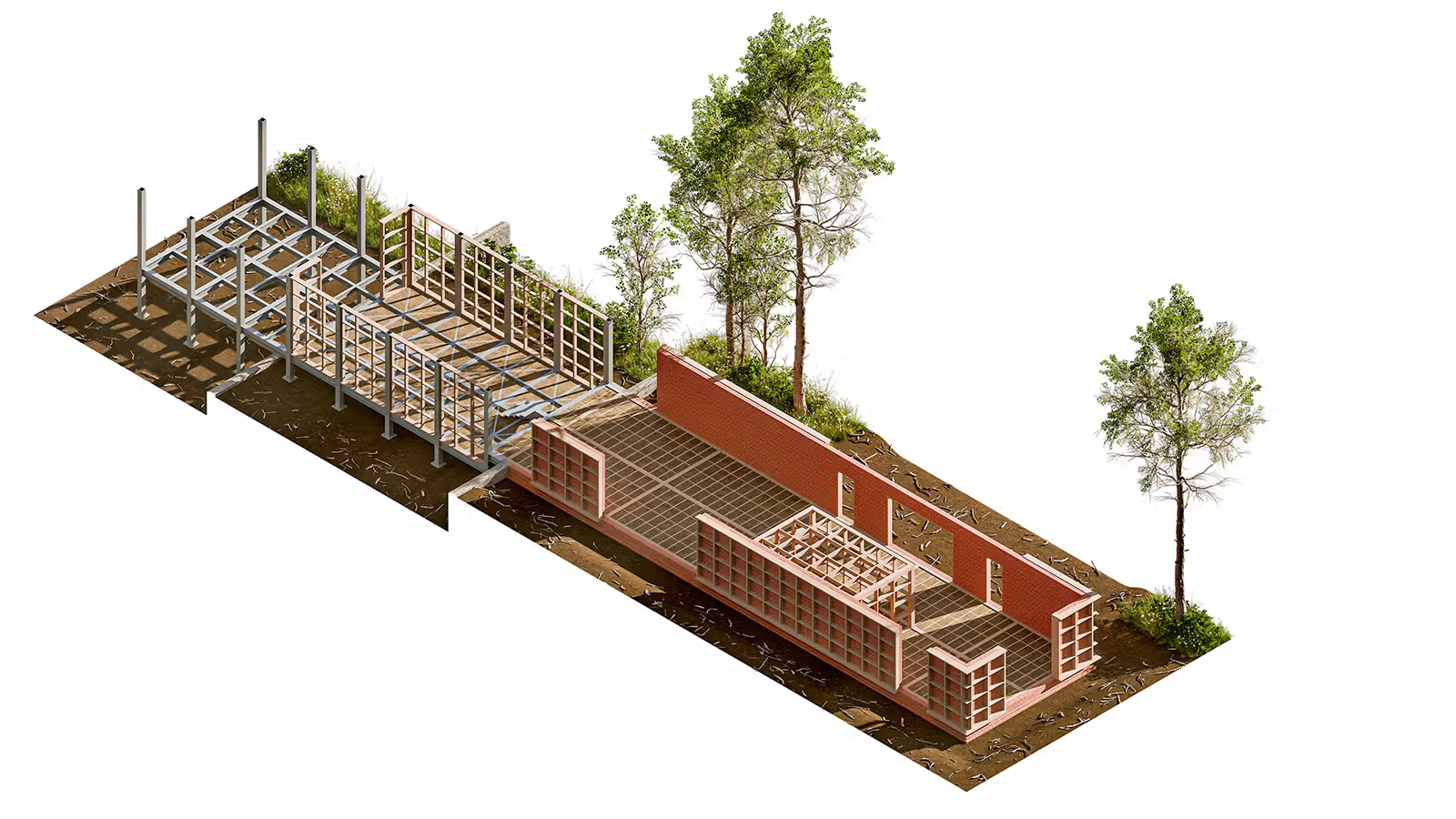
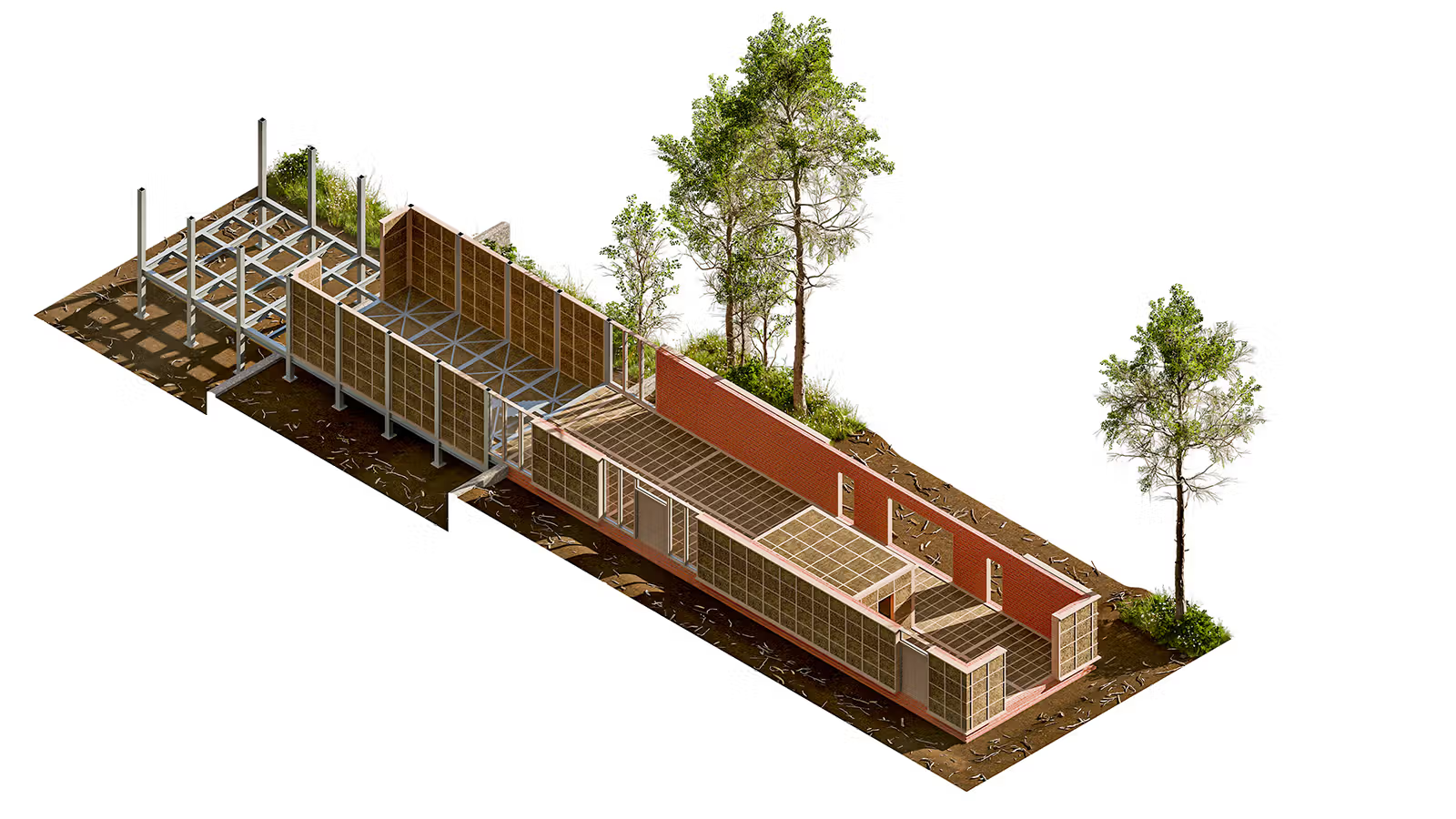
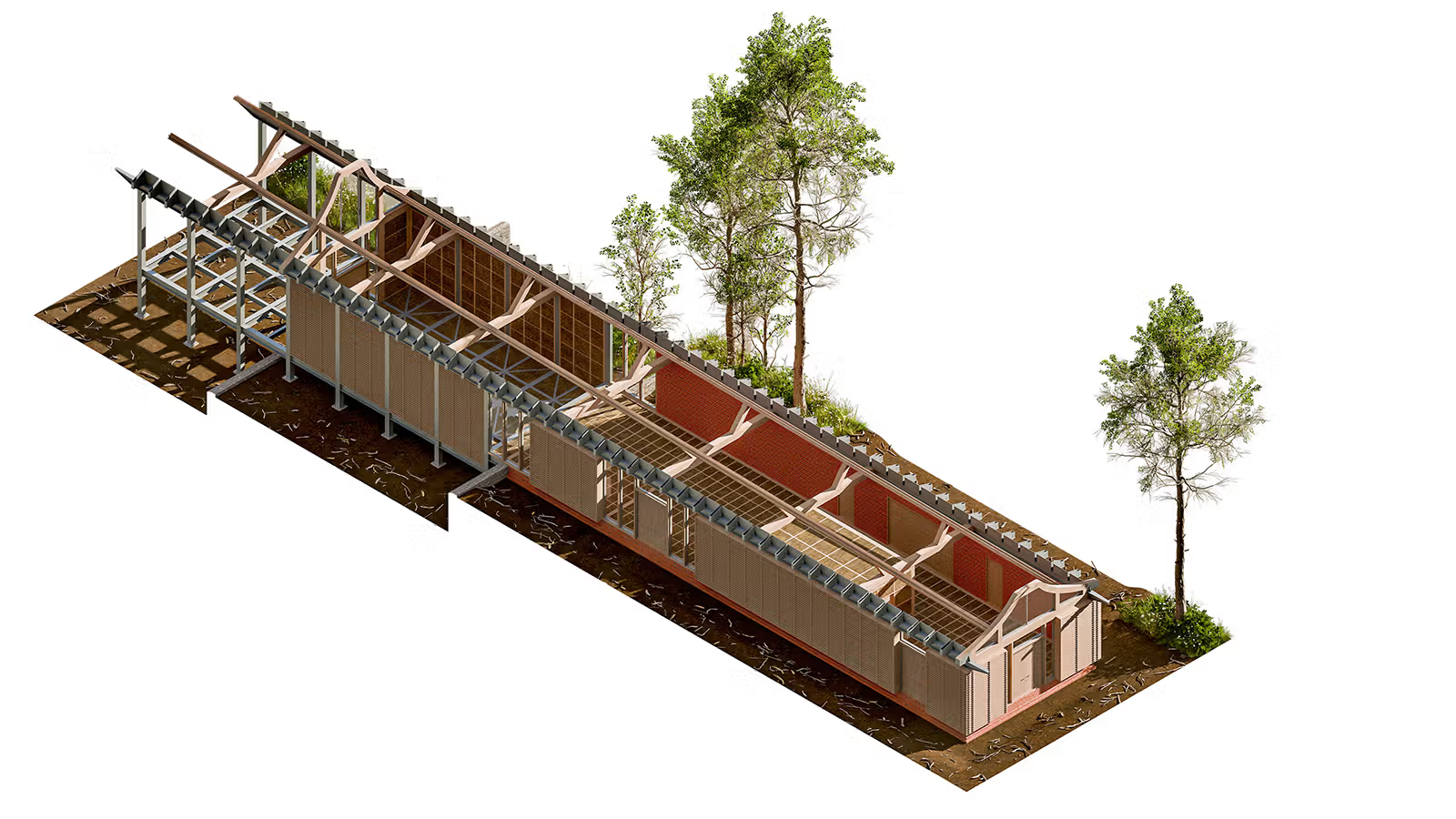
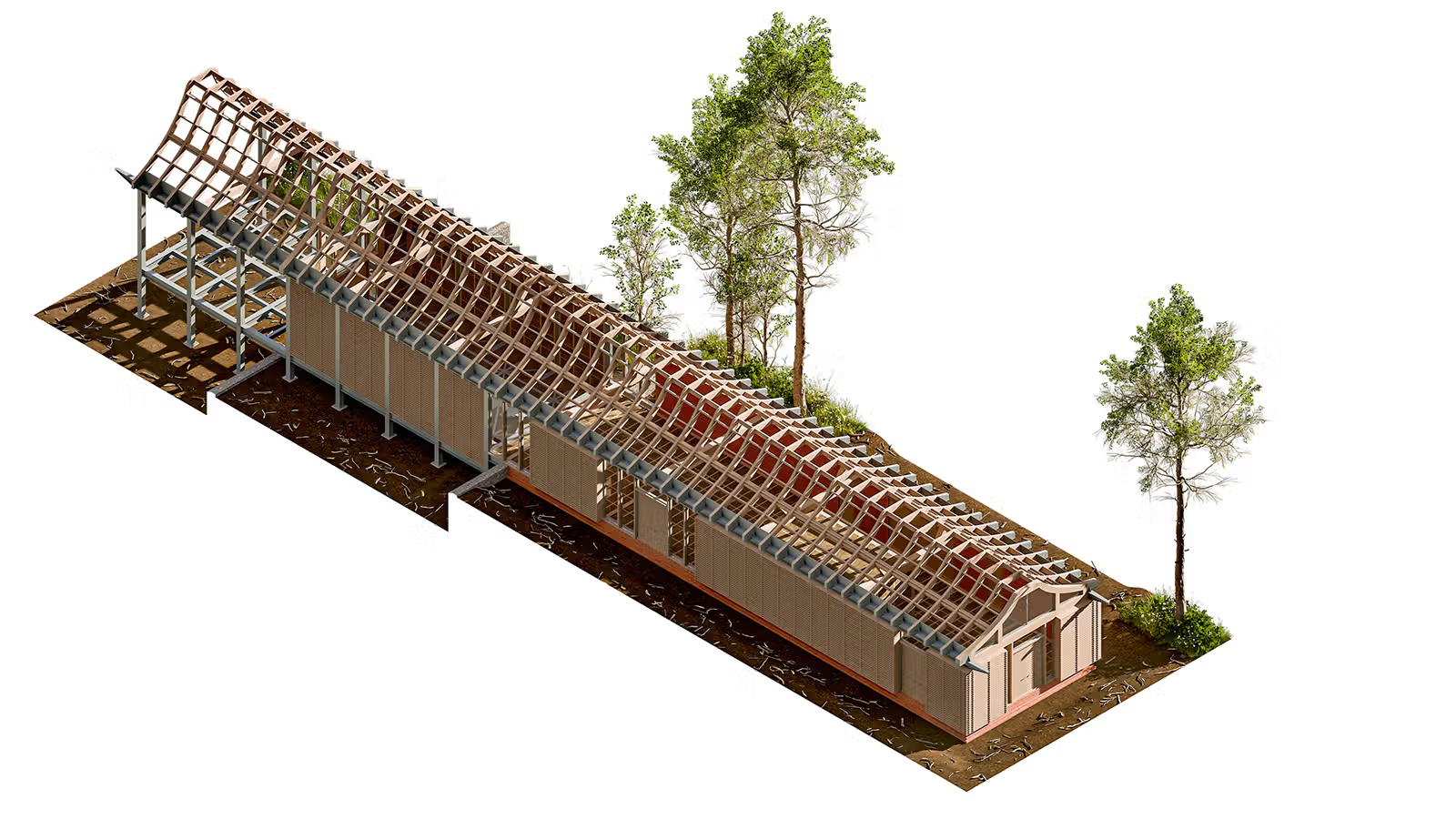
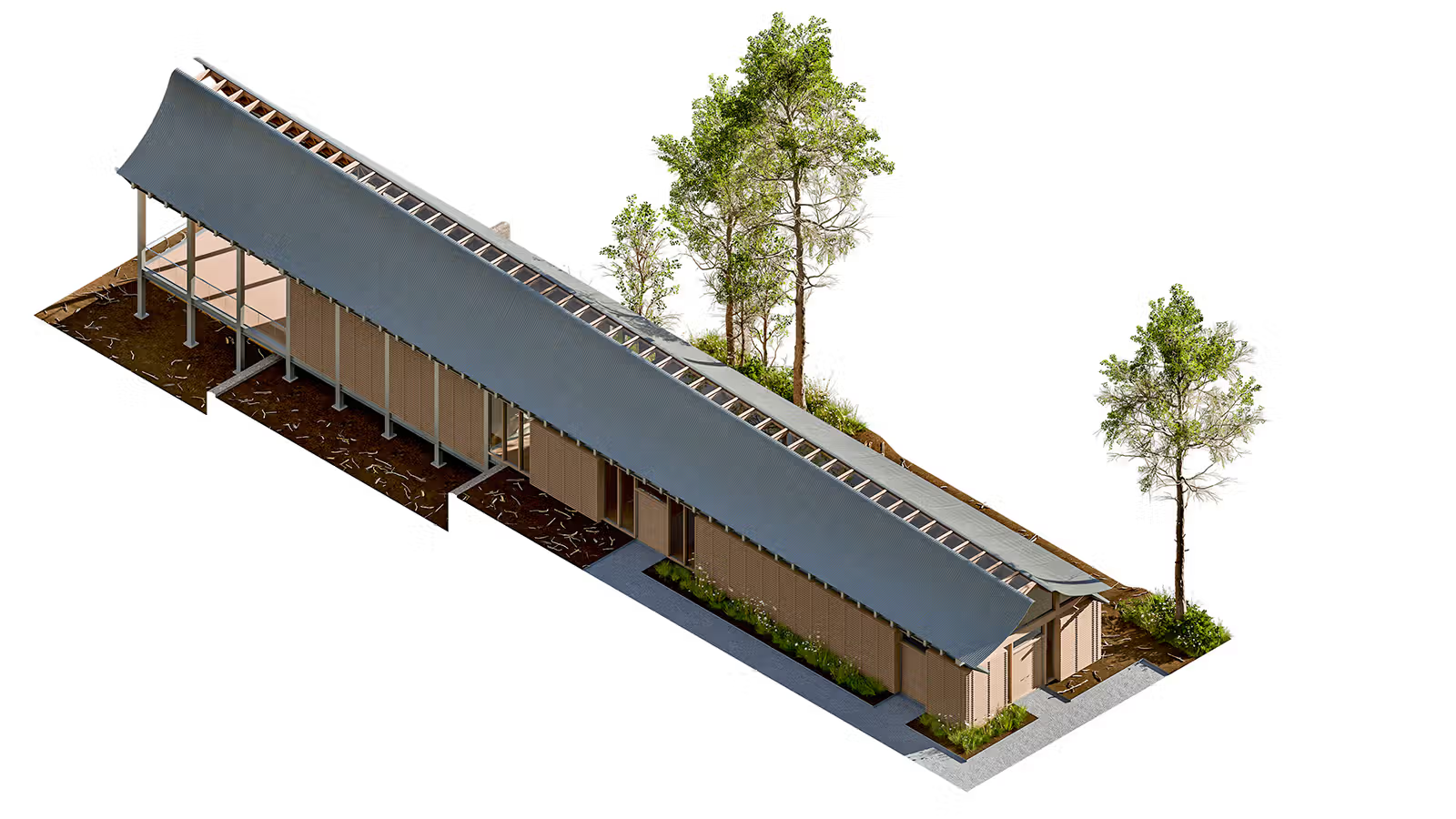
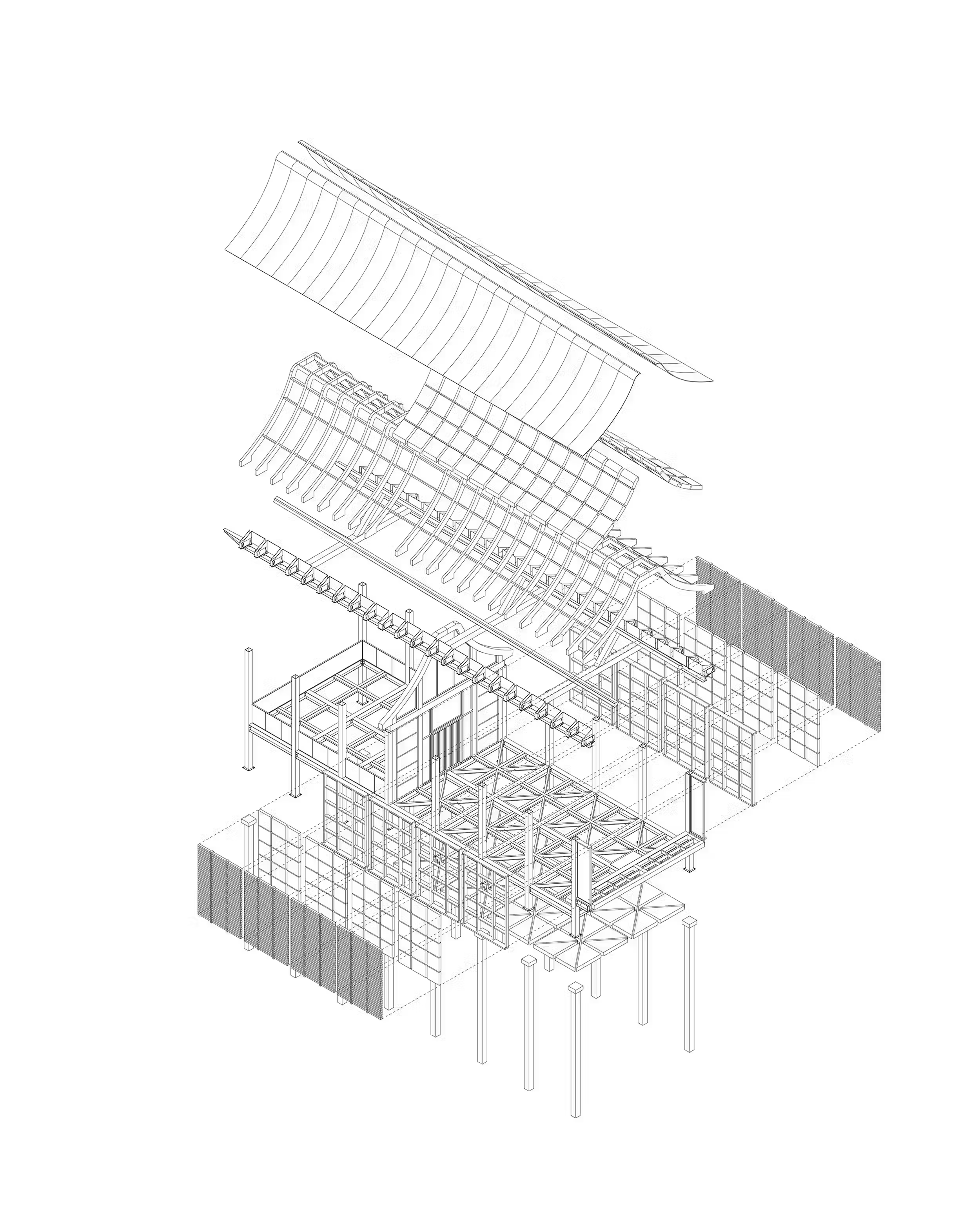
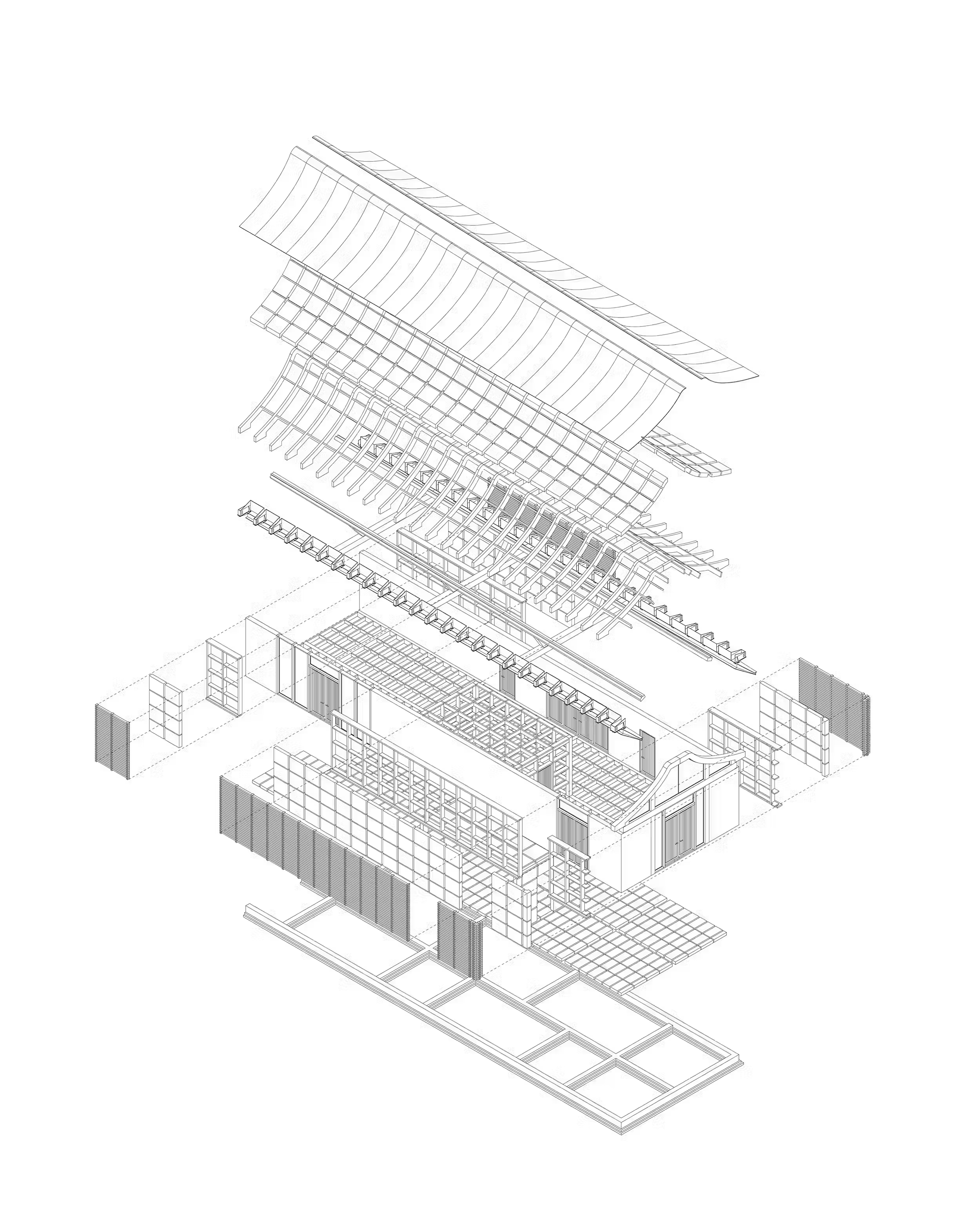
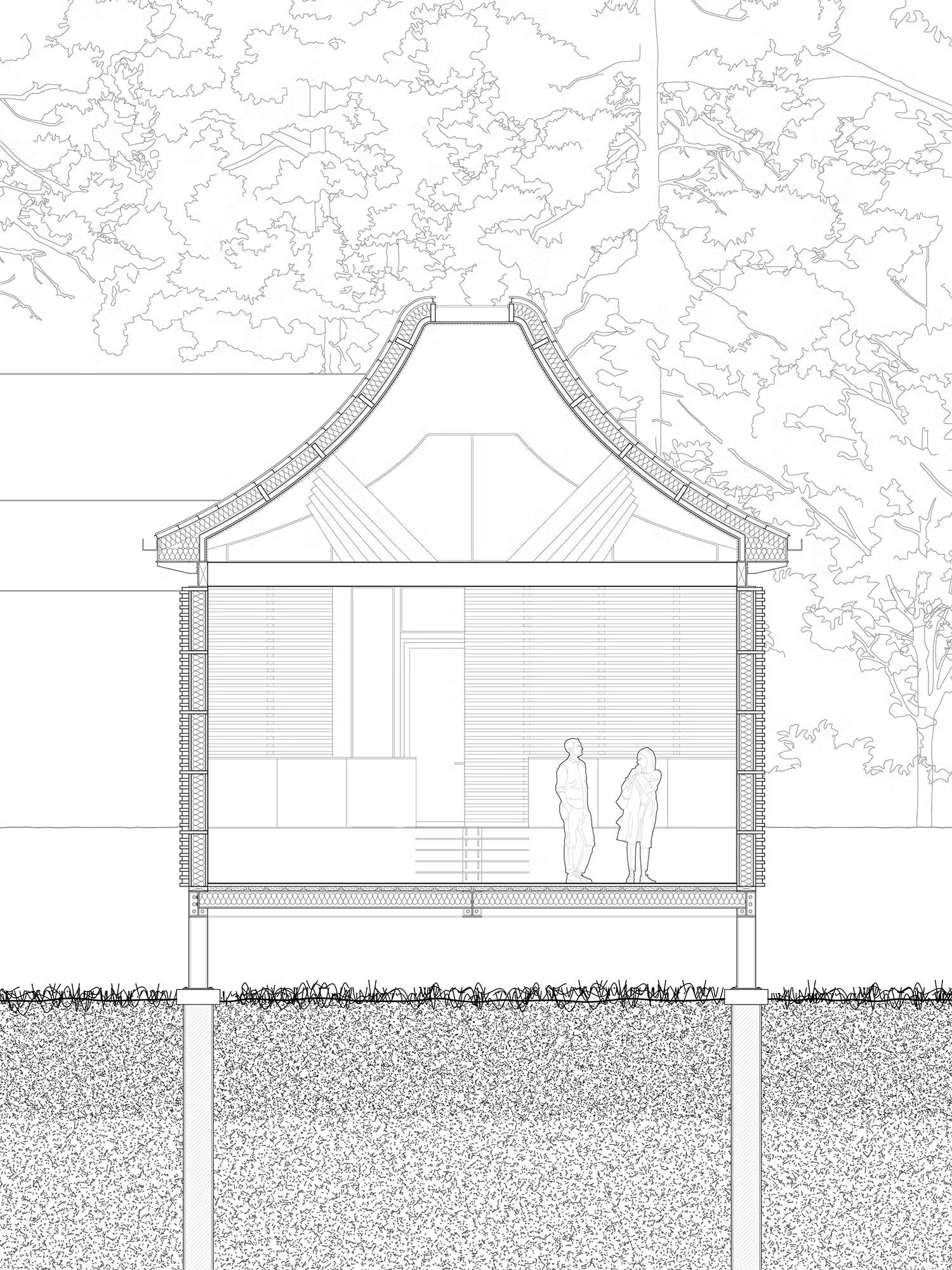
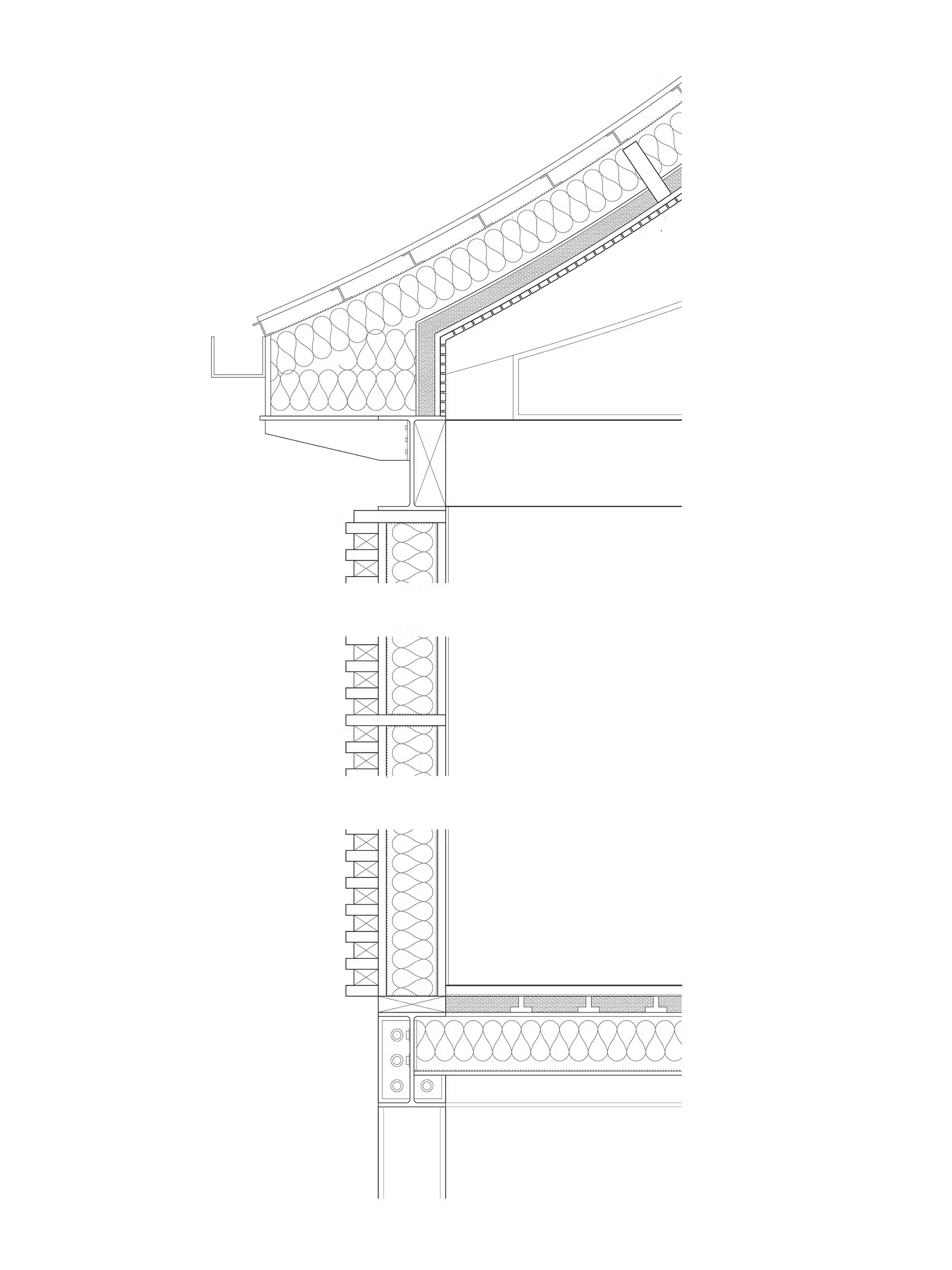
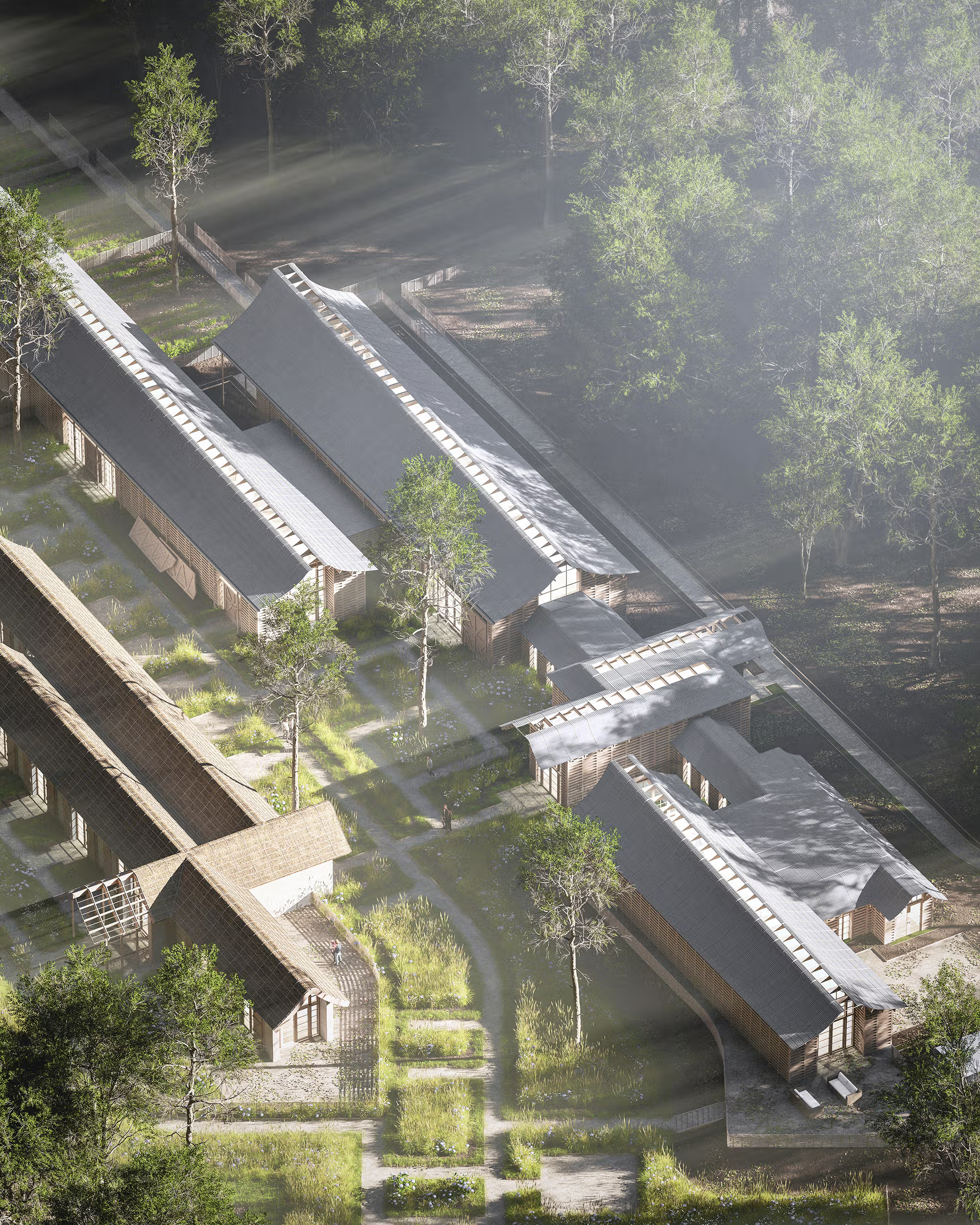
The community center is located at the south end of the site where the land meets Bramley Road. Included within the larger built body (clad in stacked timber beams and roofed with reclaimed corrugated steel sheeting) is a cafe, workspace, hall, kitchen and lobby. The spaces are designed to be purposefully open with minimal interior walls. This allows for the building to easily adapt to the differing needs of a range of occupiers.
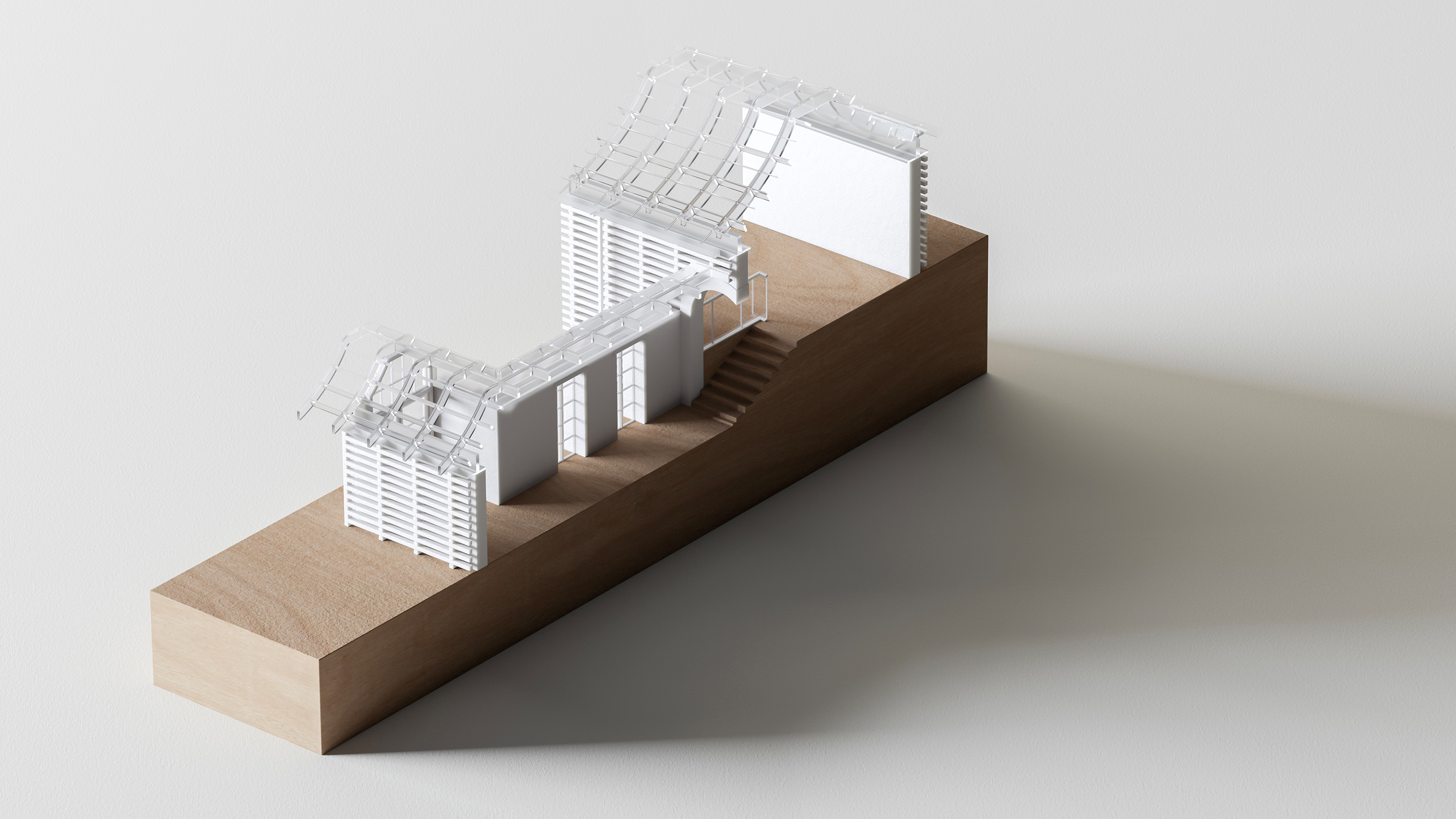
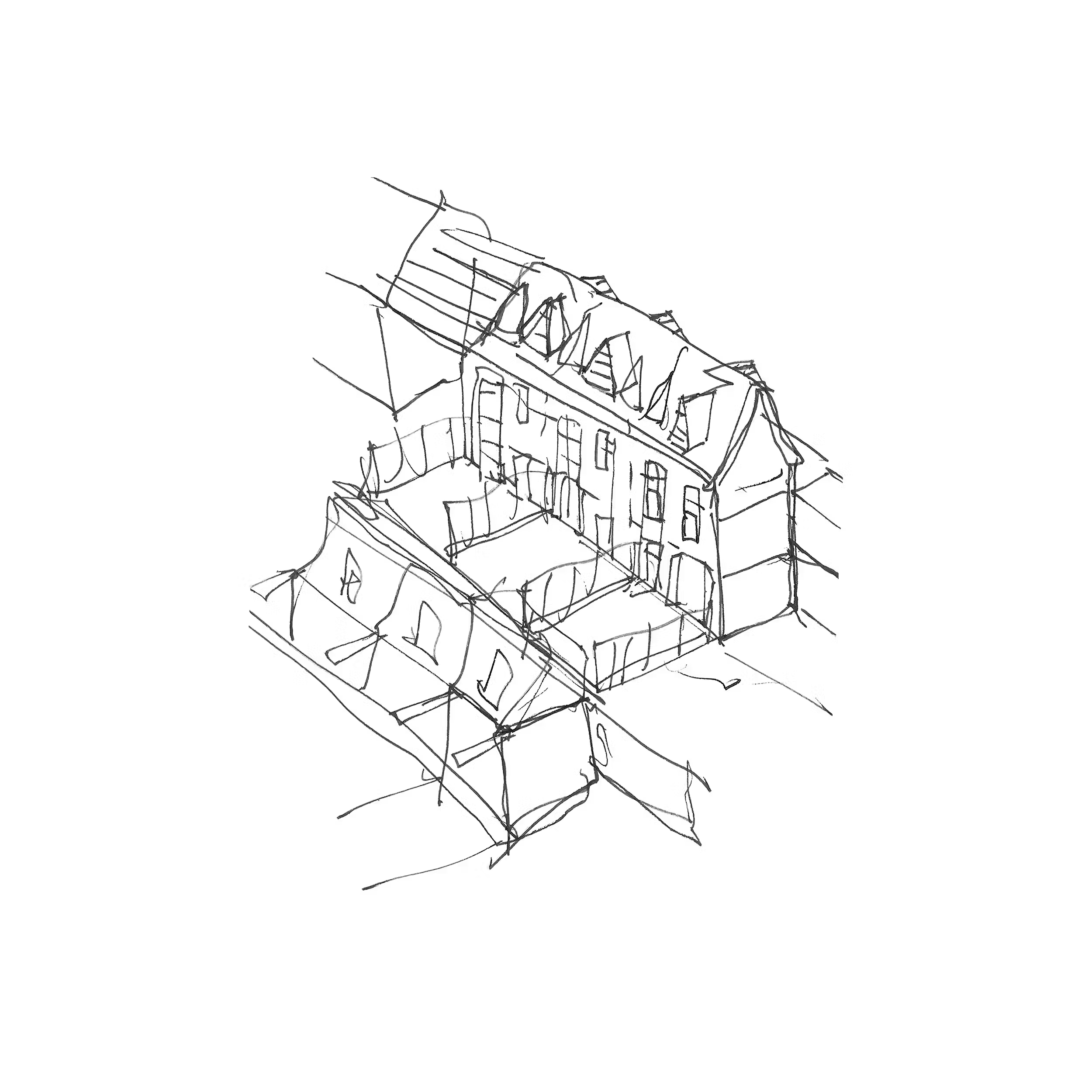
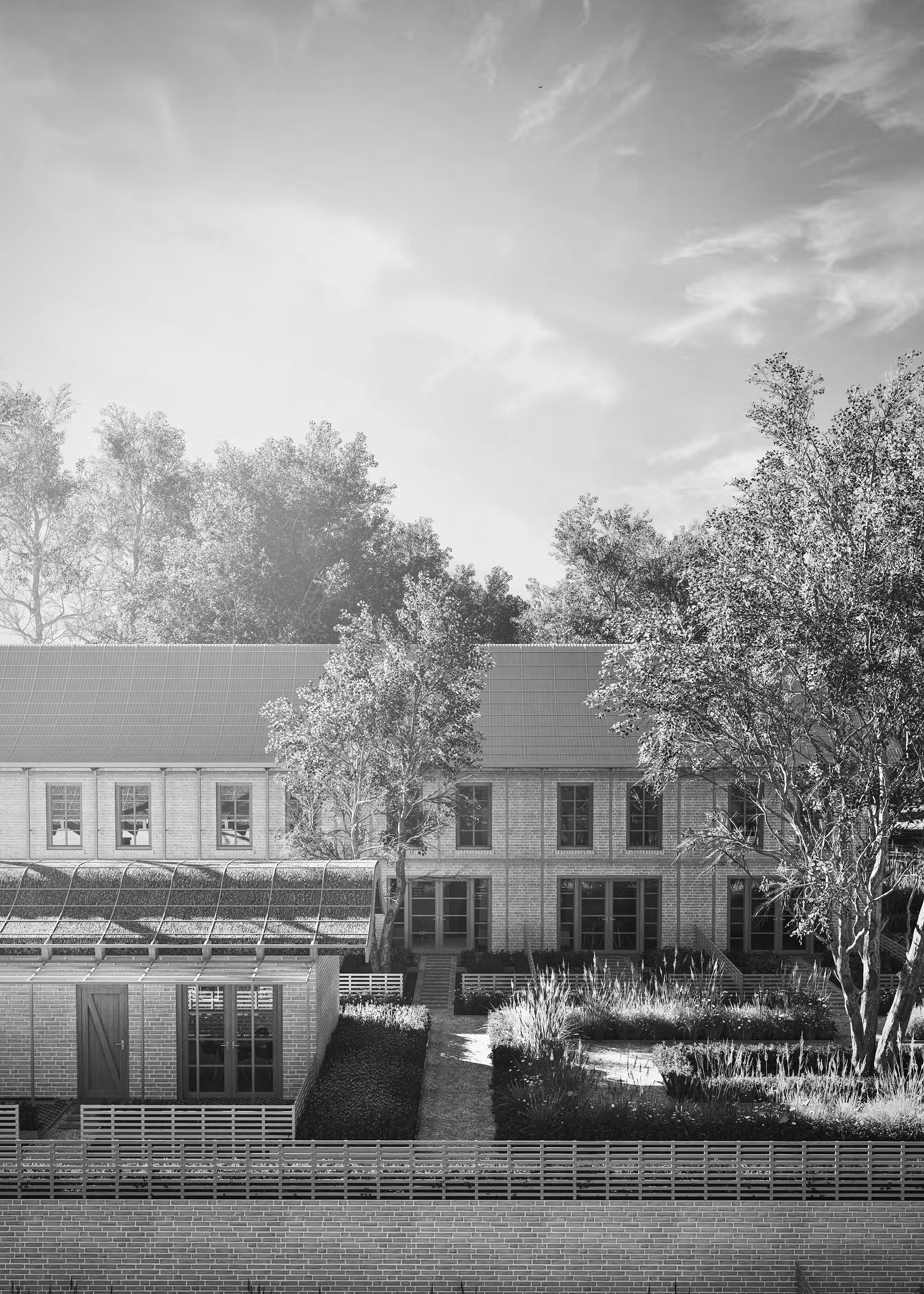
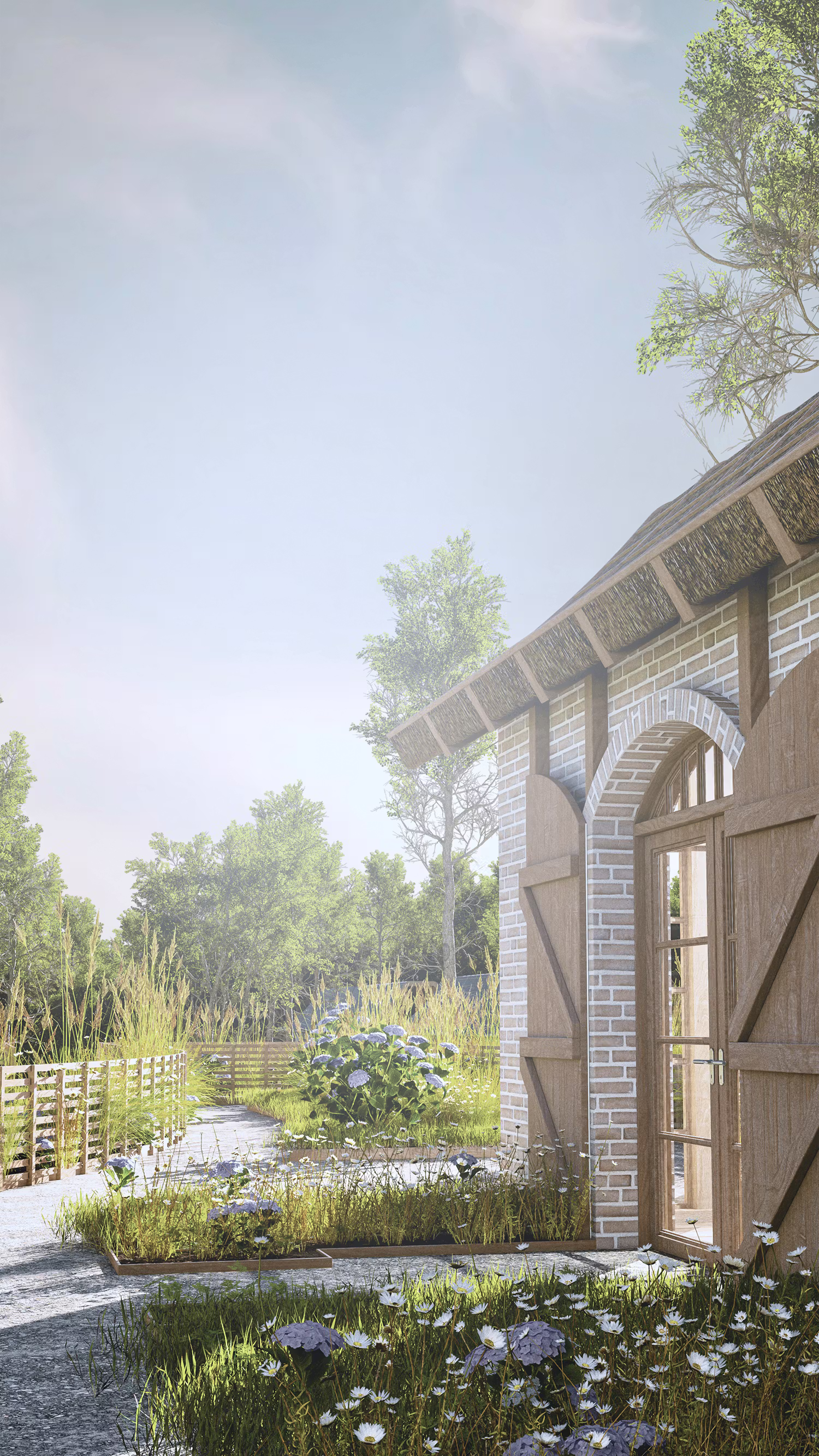
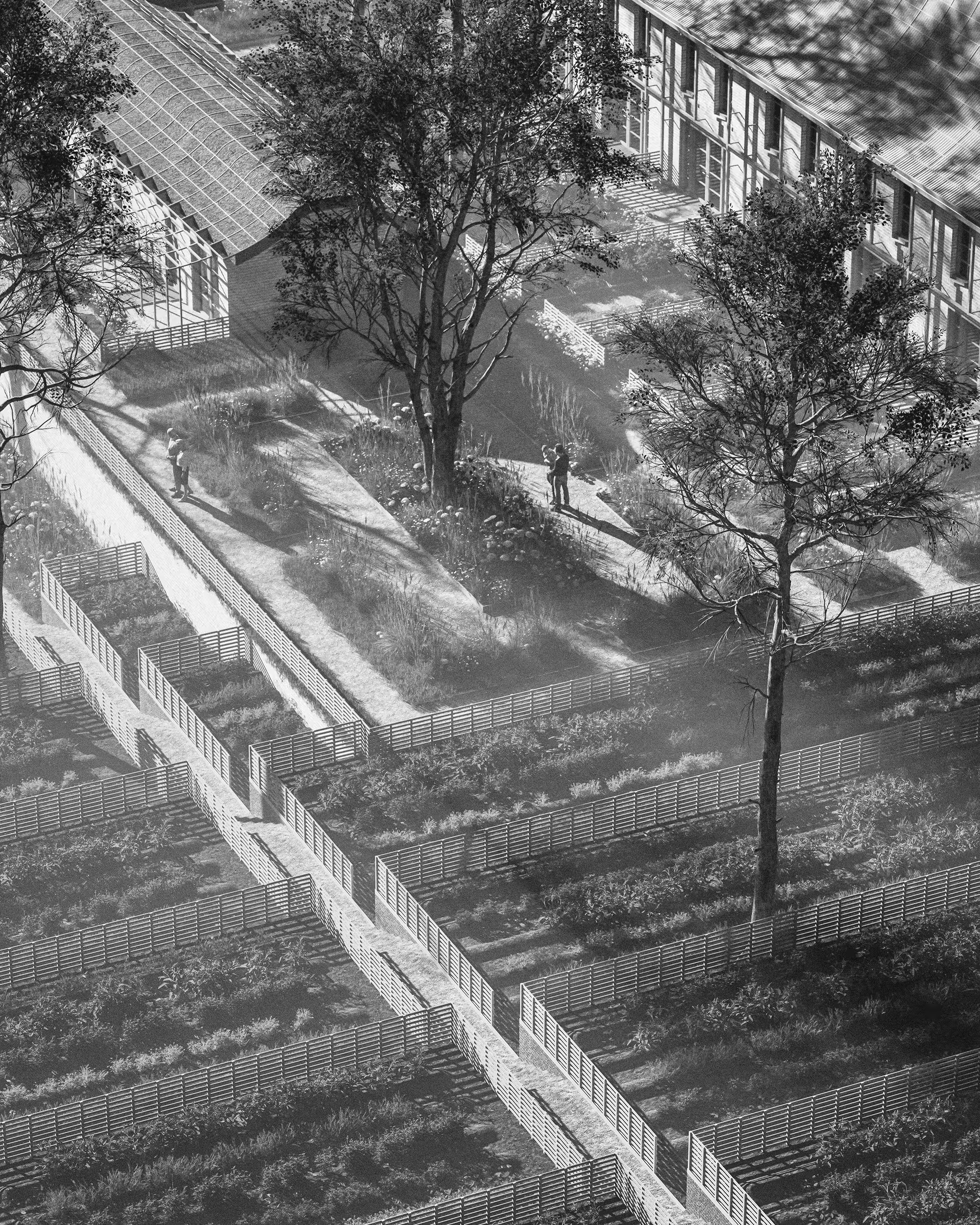
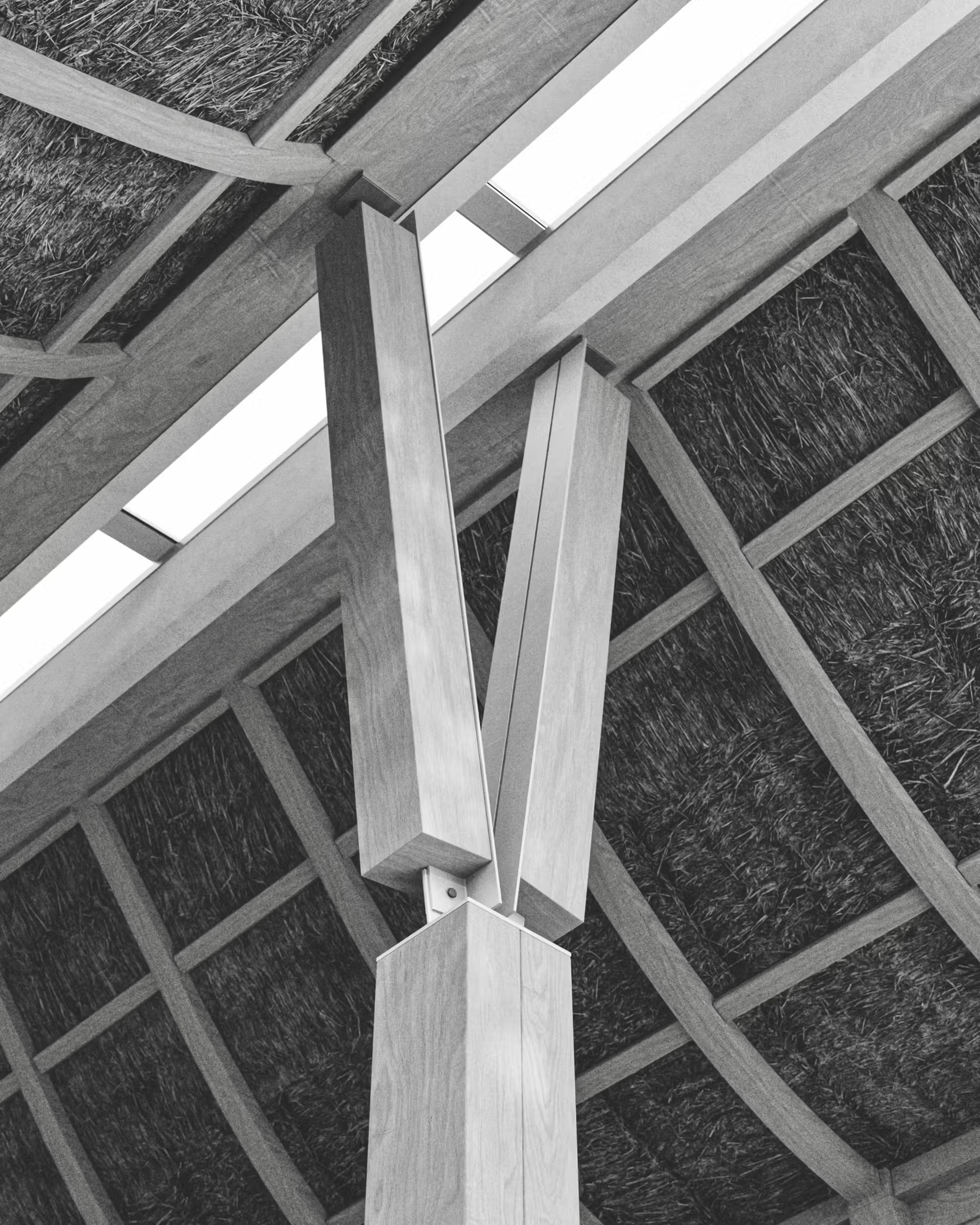
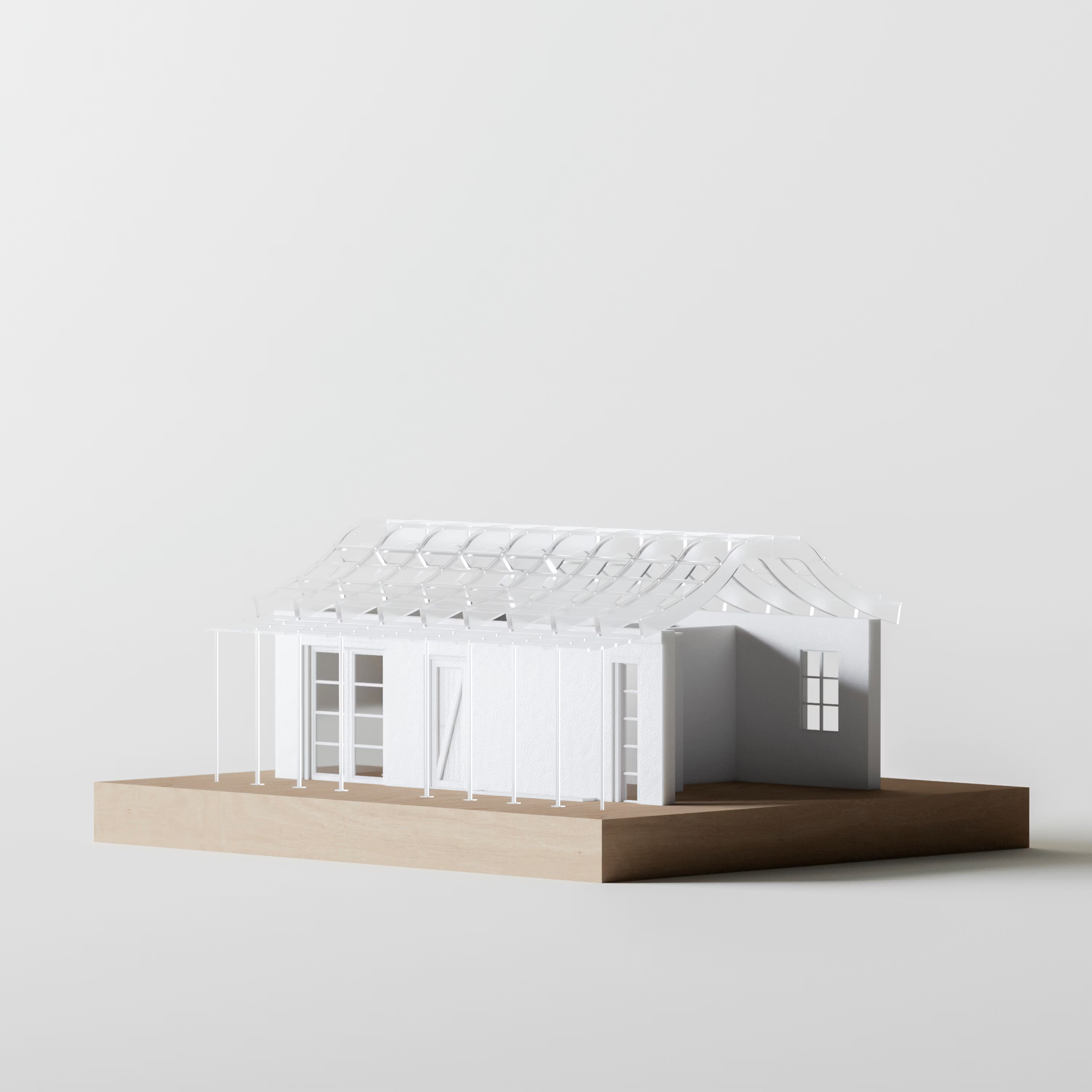
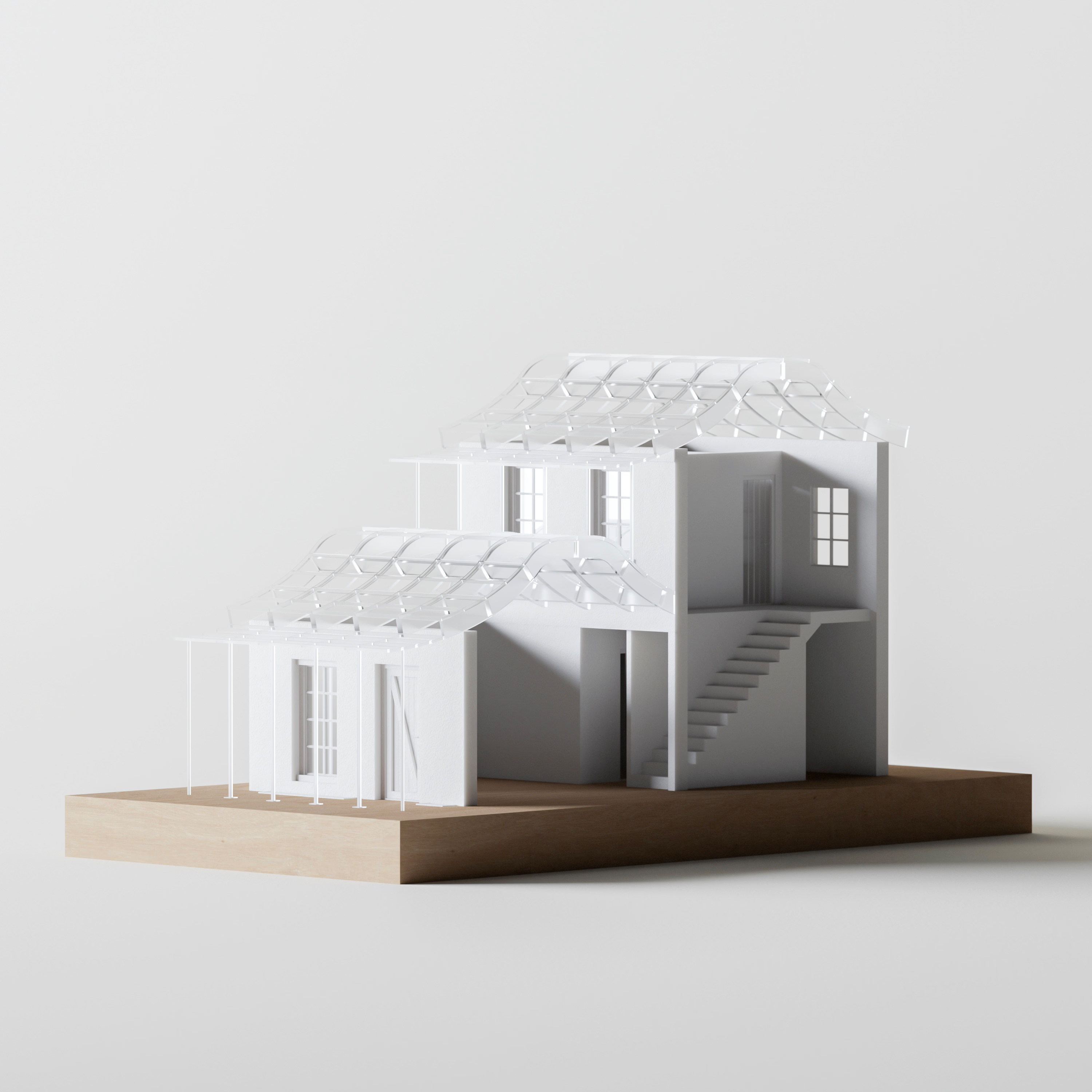
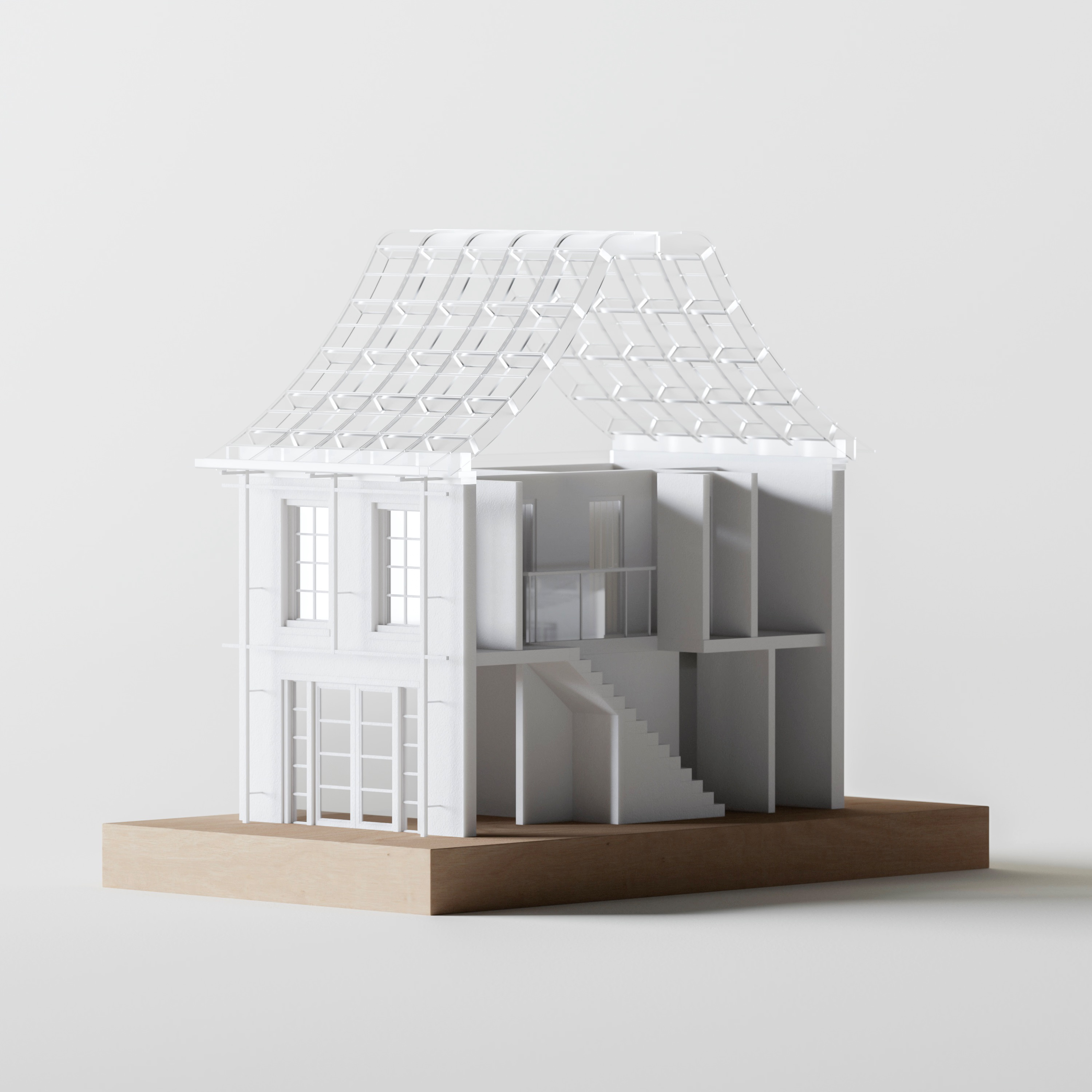
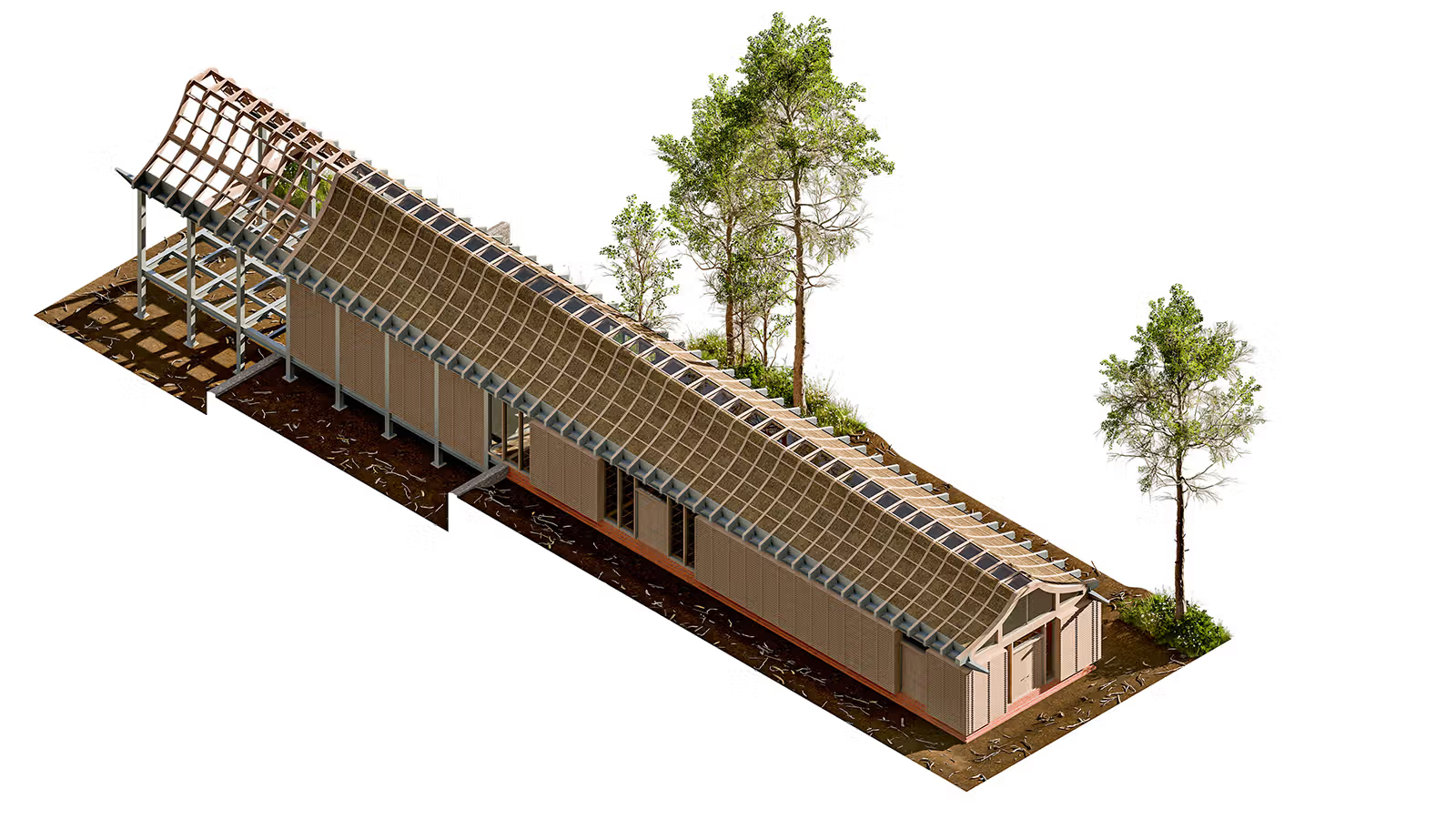
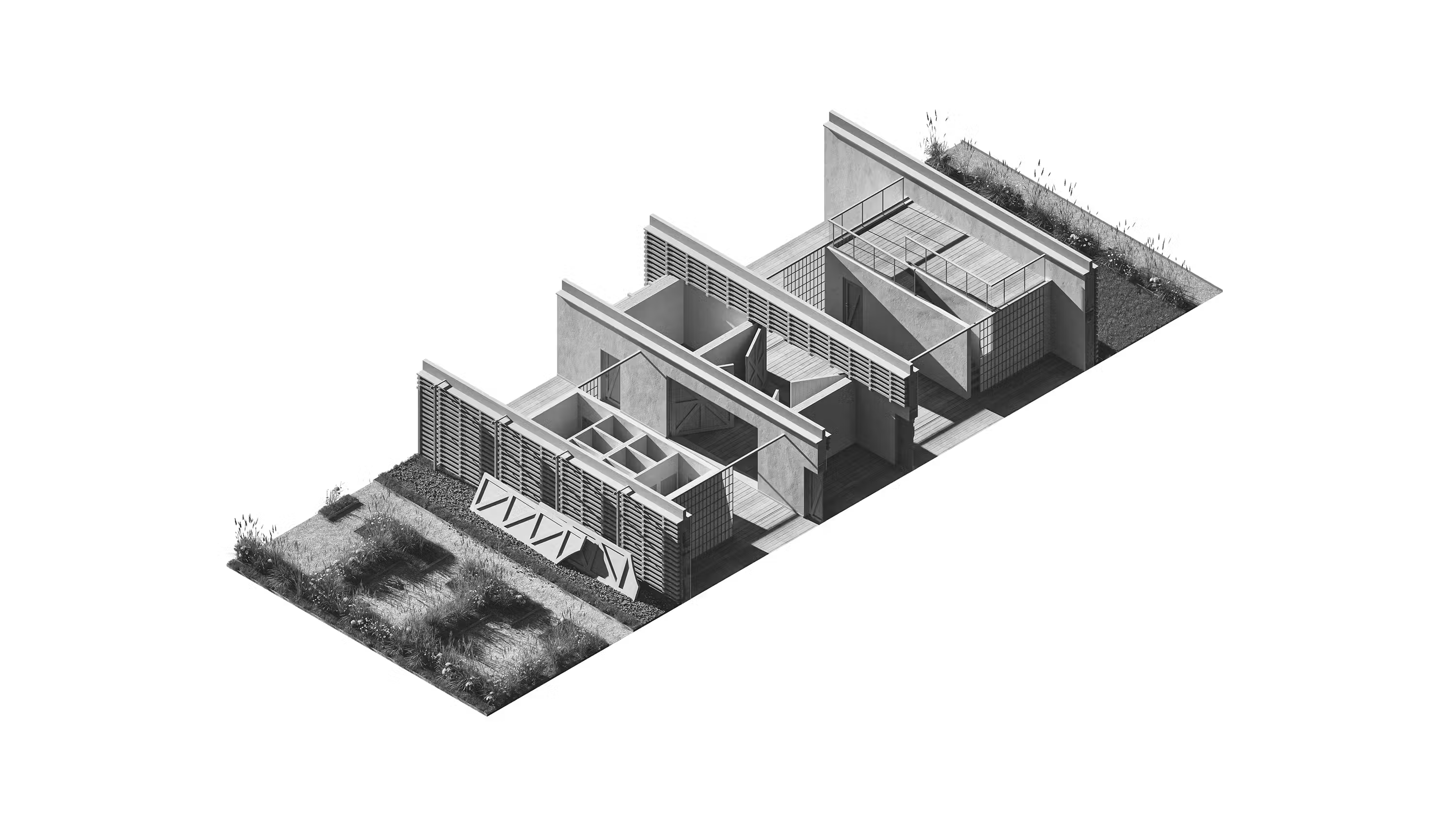
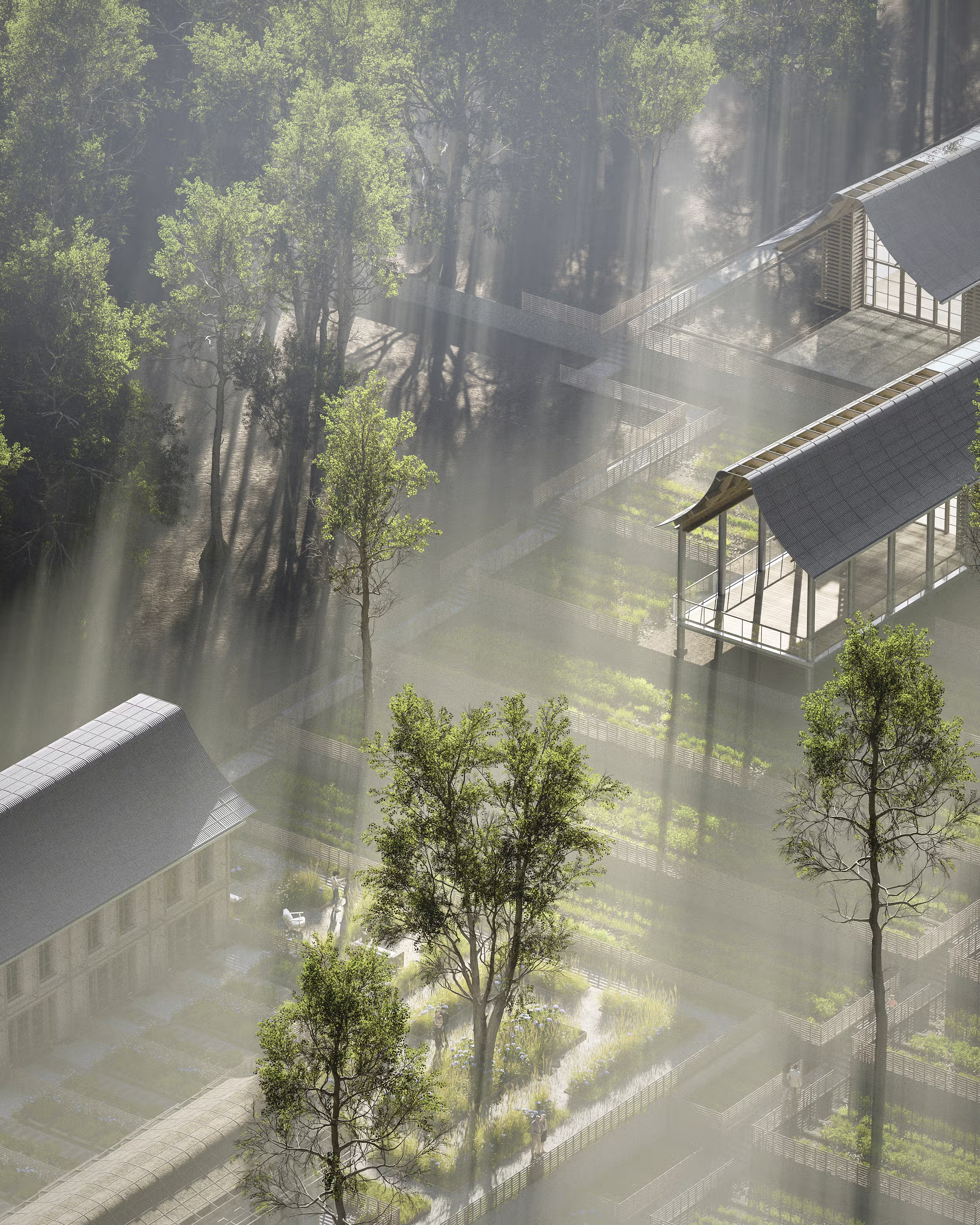
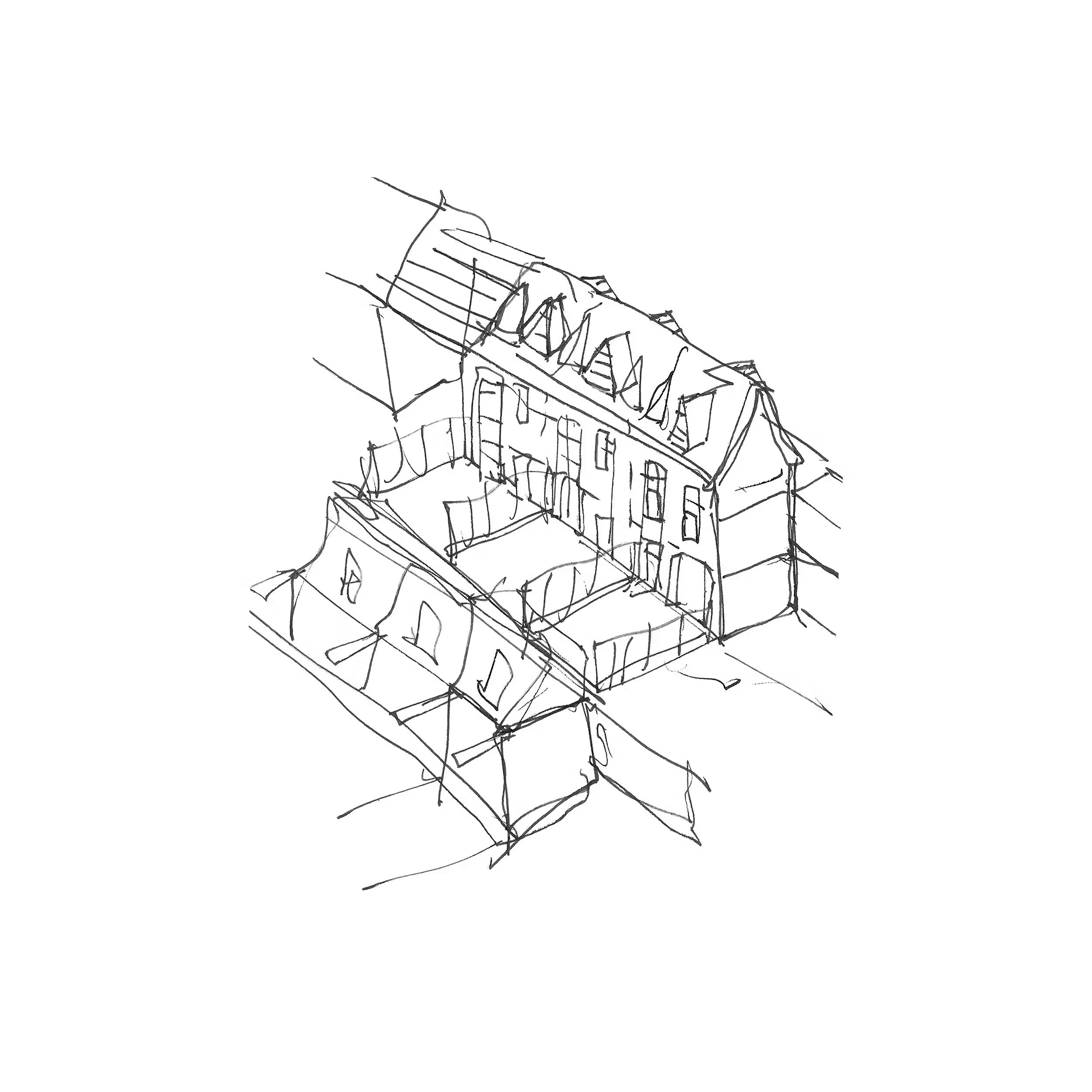
The housing consists of a range of semidetached and terraced one-bedroom, two-bedroom and three-bedroom homes. The proposal is medium-density, with each property having its own small private garden. All residents have access to the large public gardens designed to enhance community engagement. The three-bedroom houses are fitted with reclaimed corrugated steel sheet roofing, while the one and two-bedroom homes have natural thatched roofing.
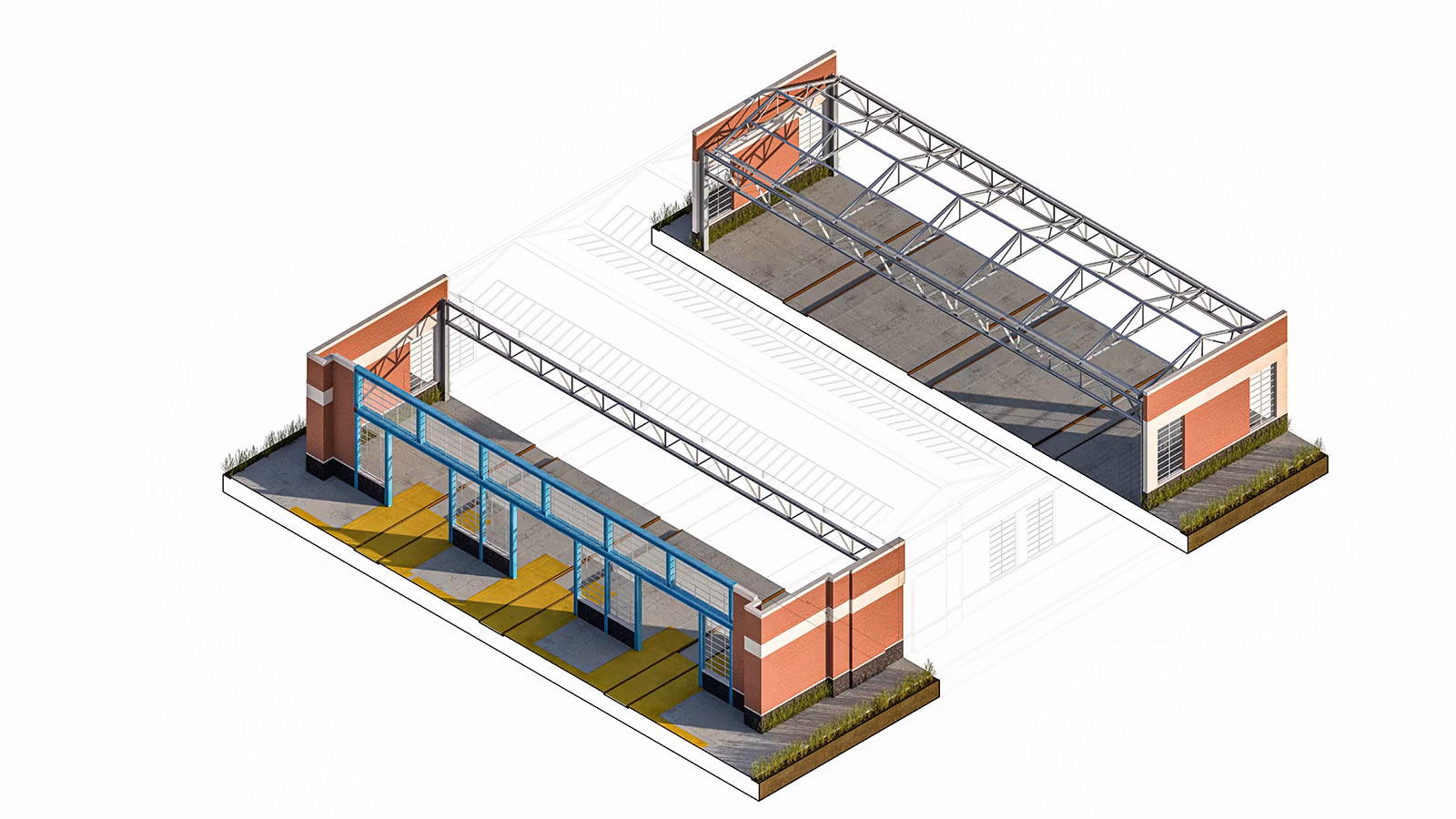
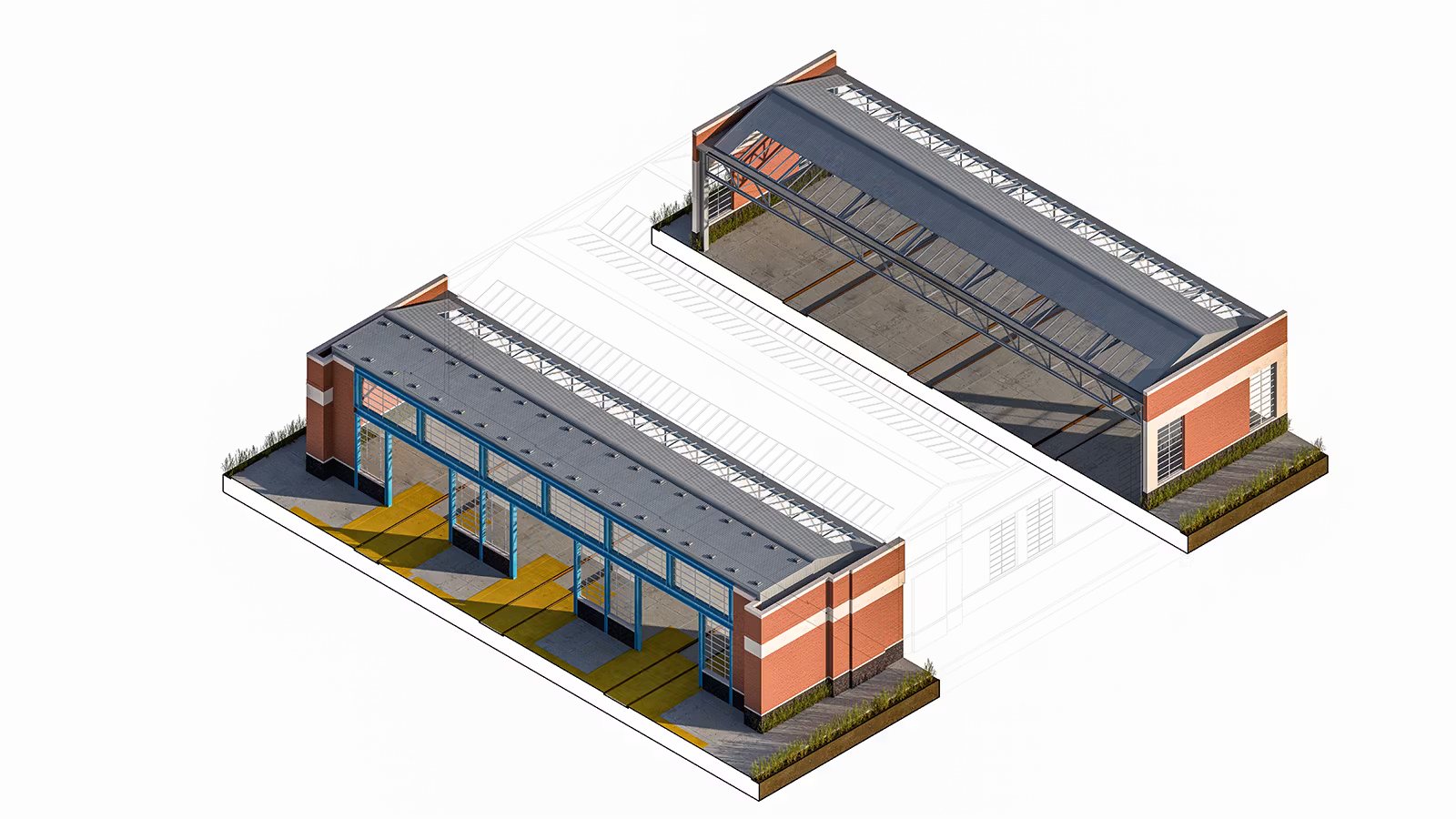
In anticipation of a new fleet of underground trains beingintroduced to the Piccadilly Line in 2025, Transport for London (TfL) isundertaking major upgrades to the line’s maintenance depots. The upgrade willinvolve the complete demolition of its current Cockfosters depot.
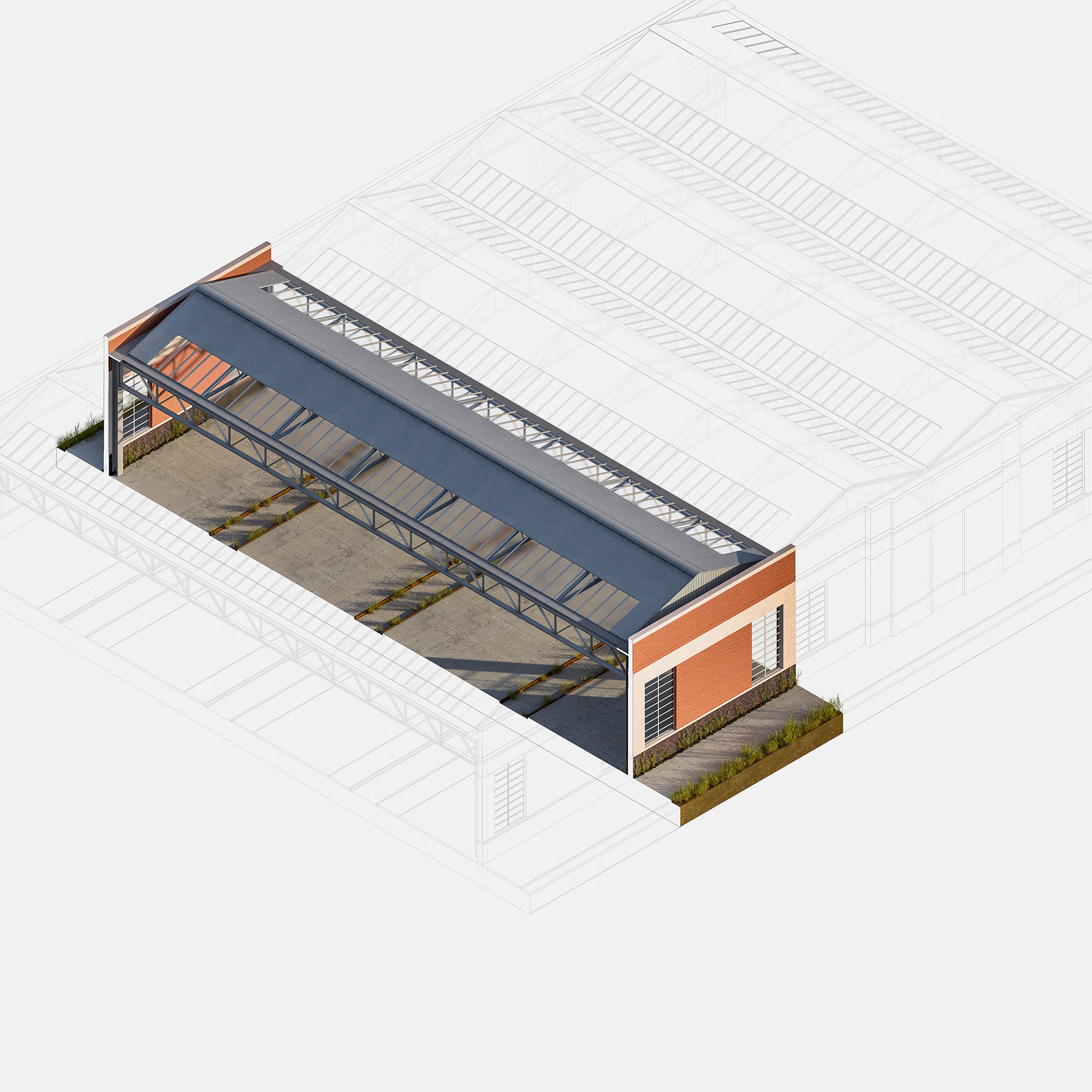
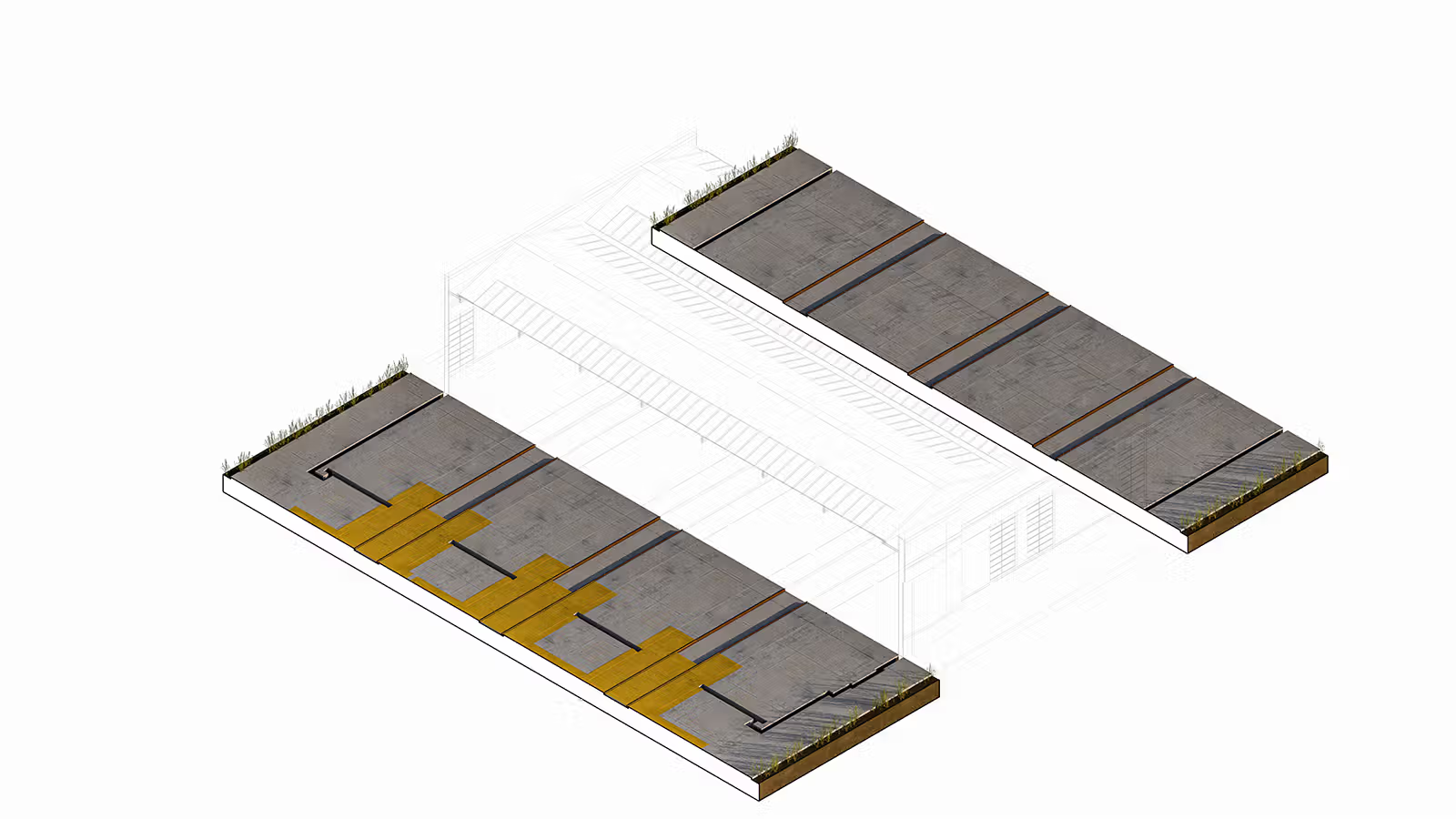
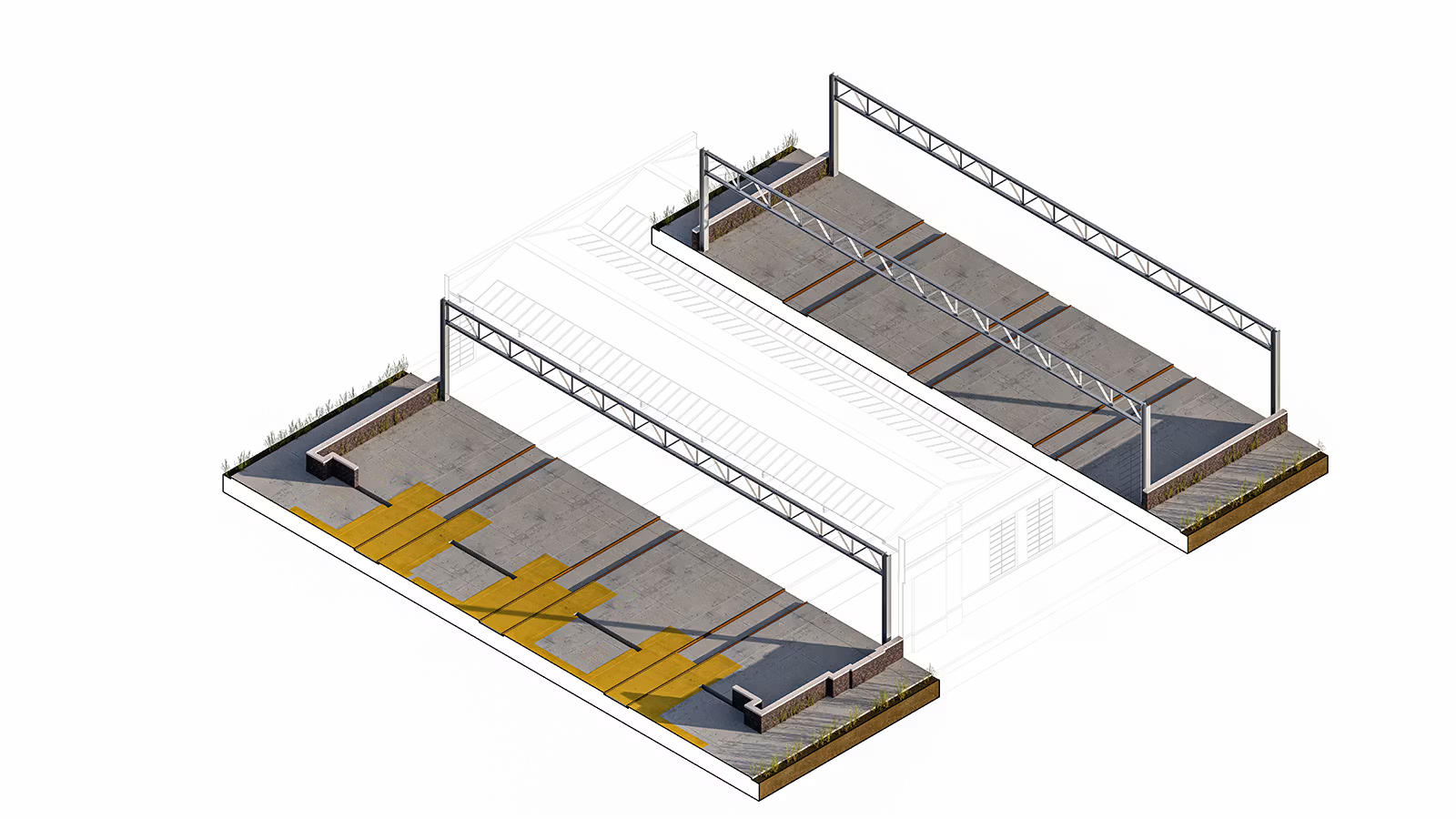
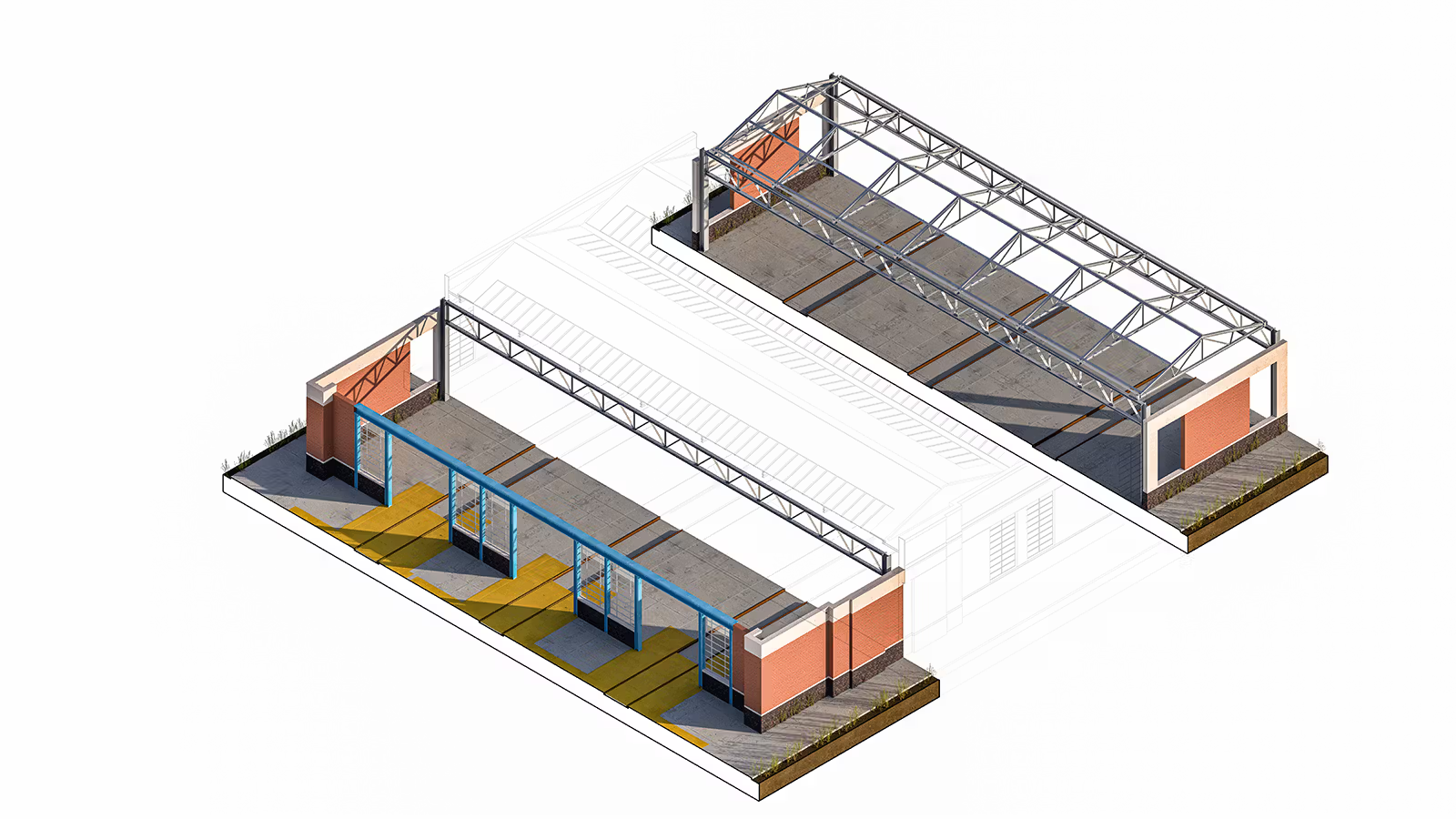
My project therefore responds to this demolition by placingitself within this process of depot deconstruction. In doing so, the scheme gains an array of recycled building materials and prevents several hundred tonnes of embodied carbon from being dumped in landfill sites around London.
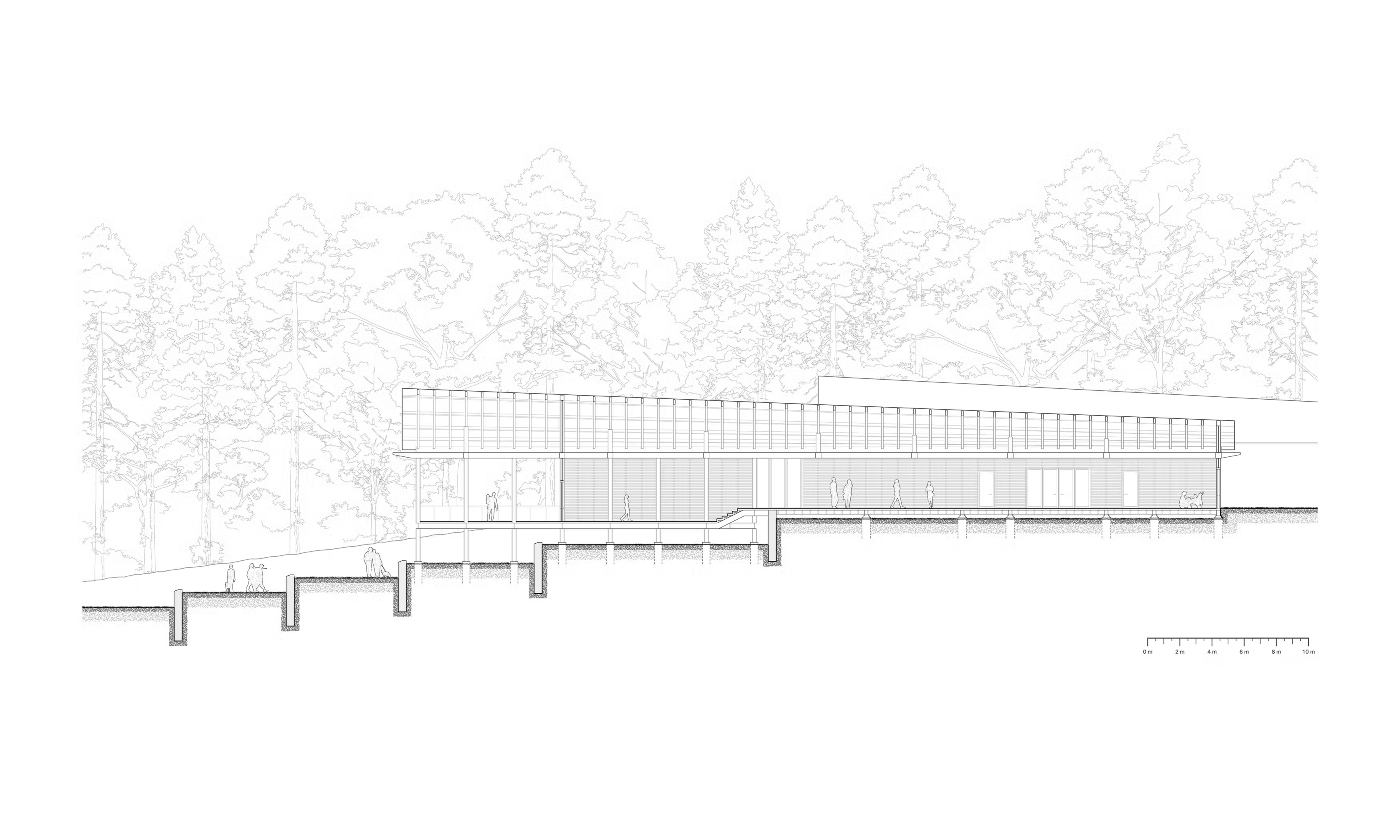
In addition to salvaging the Cockfosters depot materials, My proposal is also to source local naturally occurring materials that can be sustainably harvested (i.e. timber from the plentiful pine/fir woodlands and straw bales grown on adjacent farmland). The combining of harvested material with recycled material presents an opportunity to develop an architectural design that tackles the restrictiveness of the reused component catalog balanced with the expansiveness of new building materials.