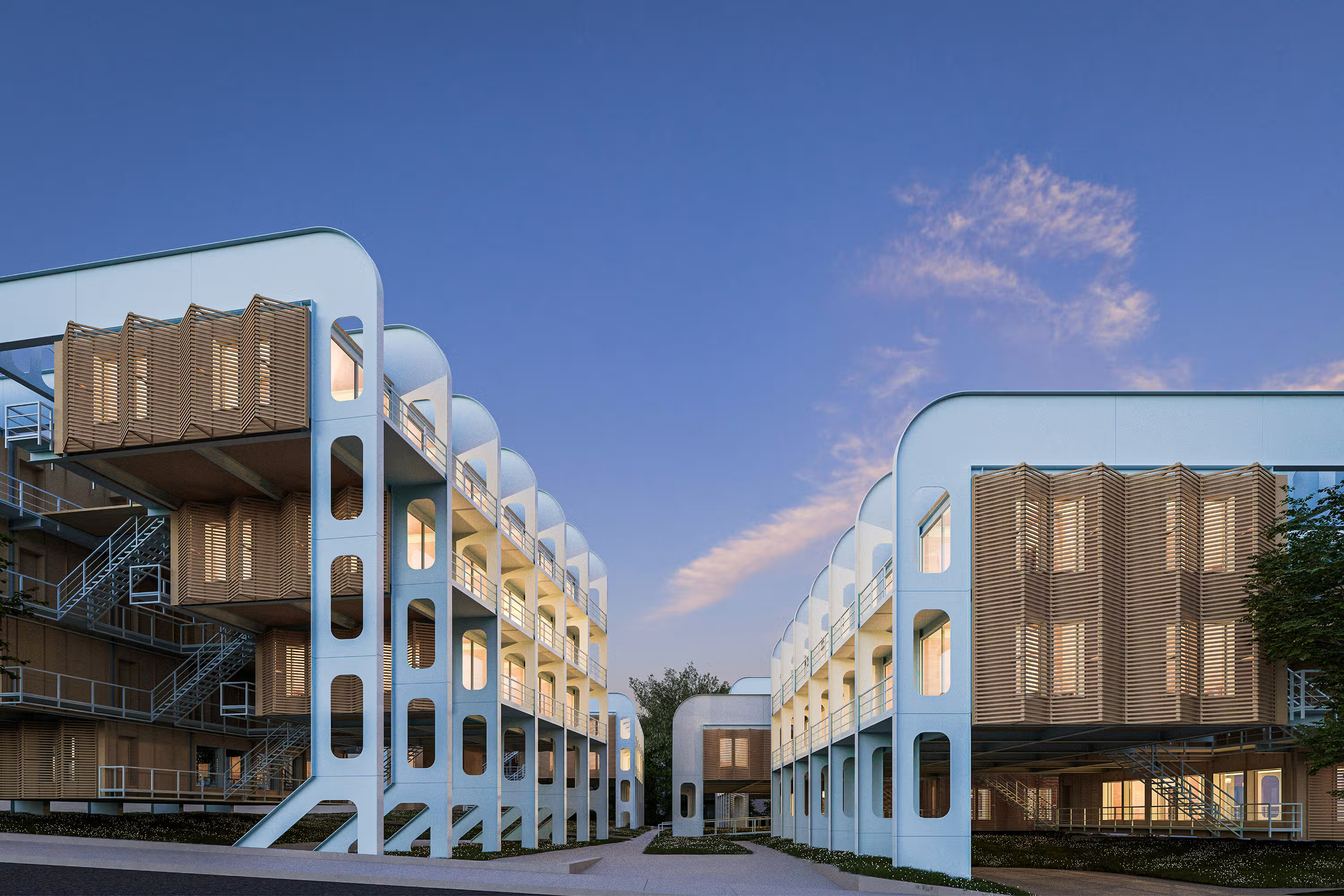
Theseus
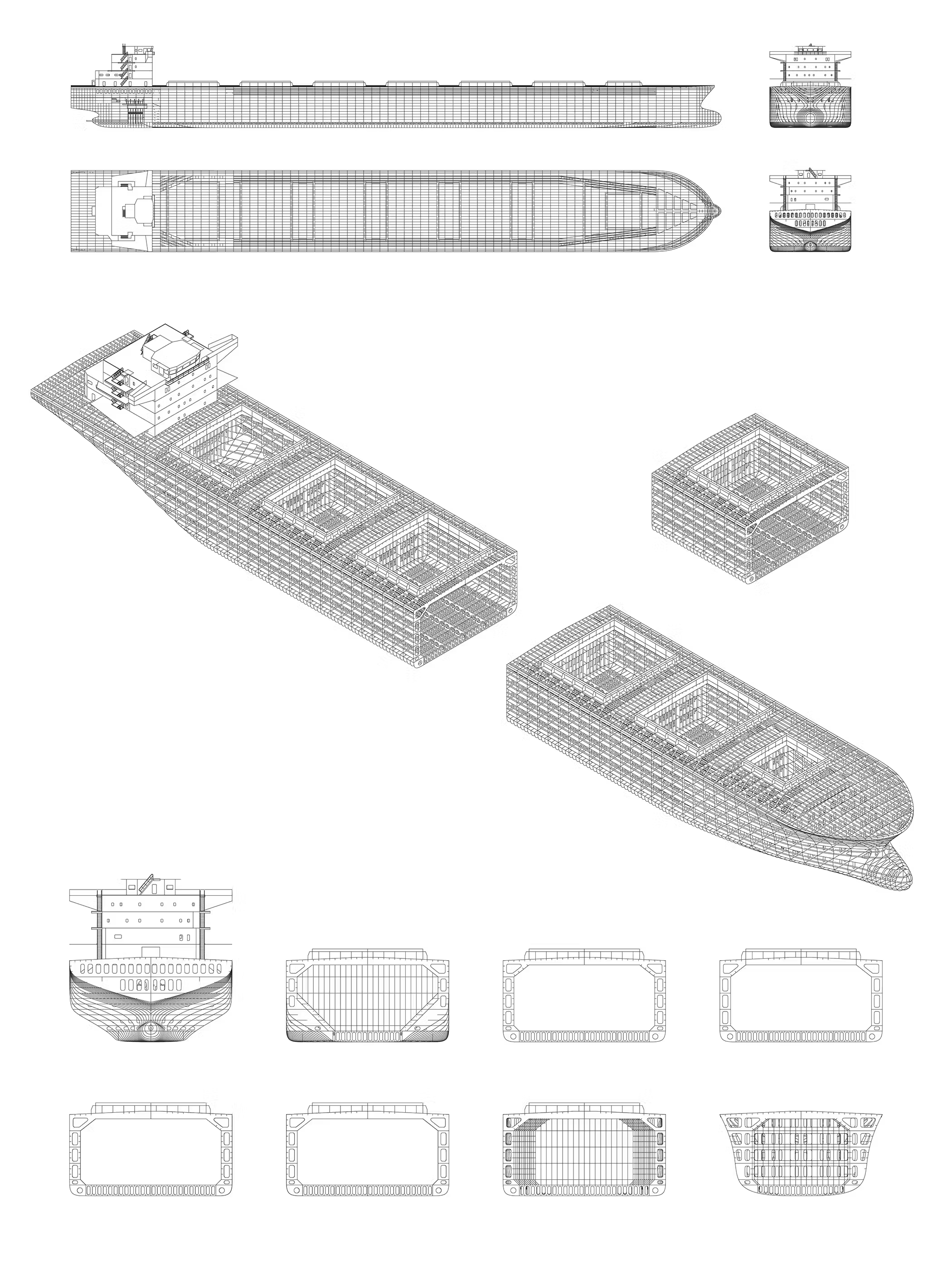
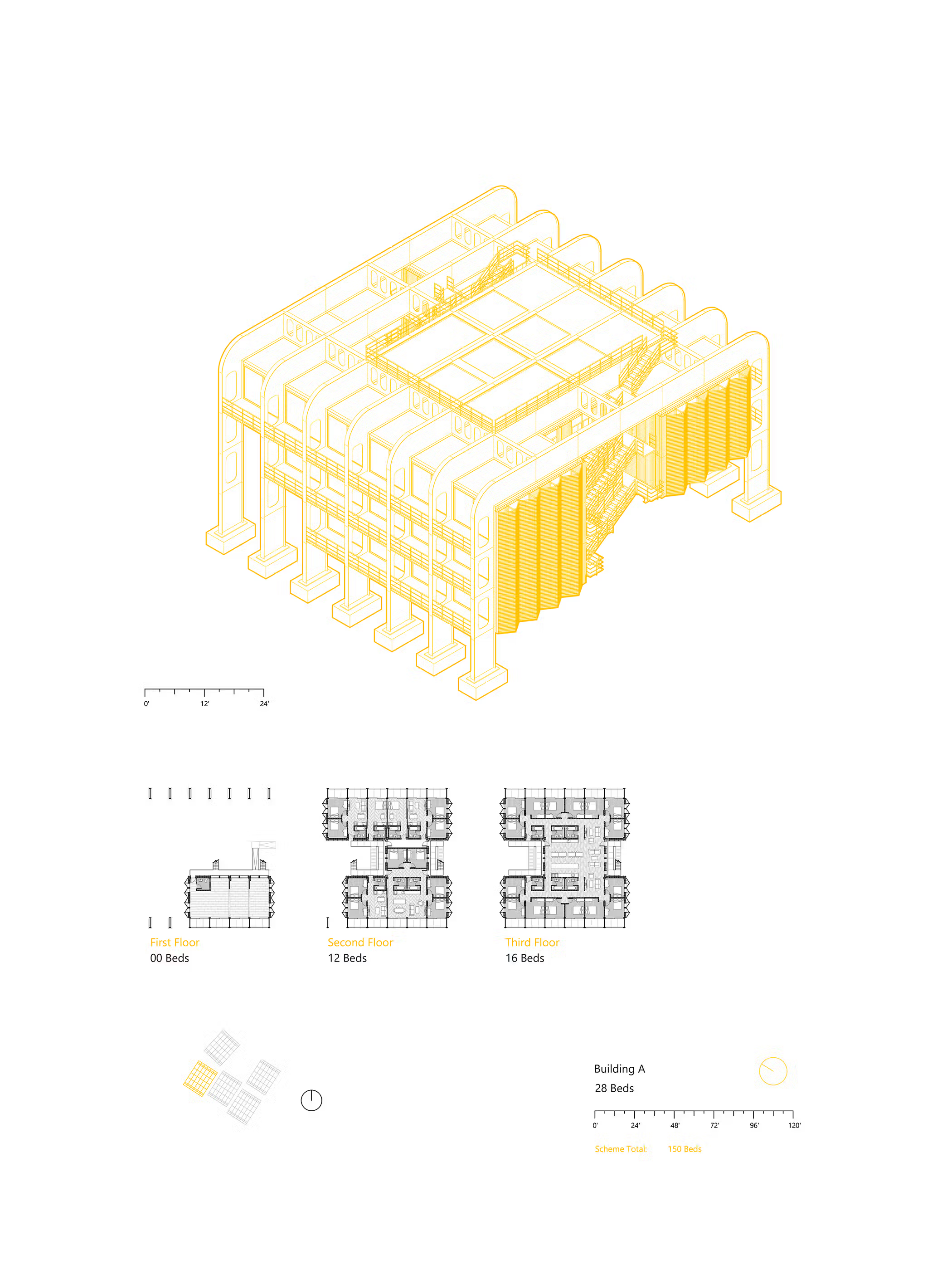
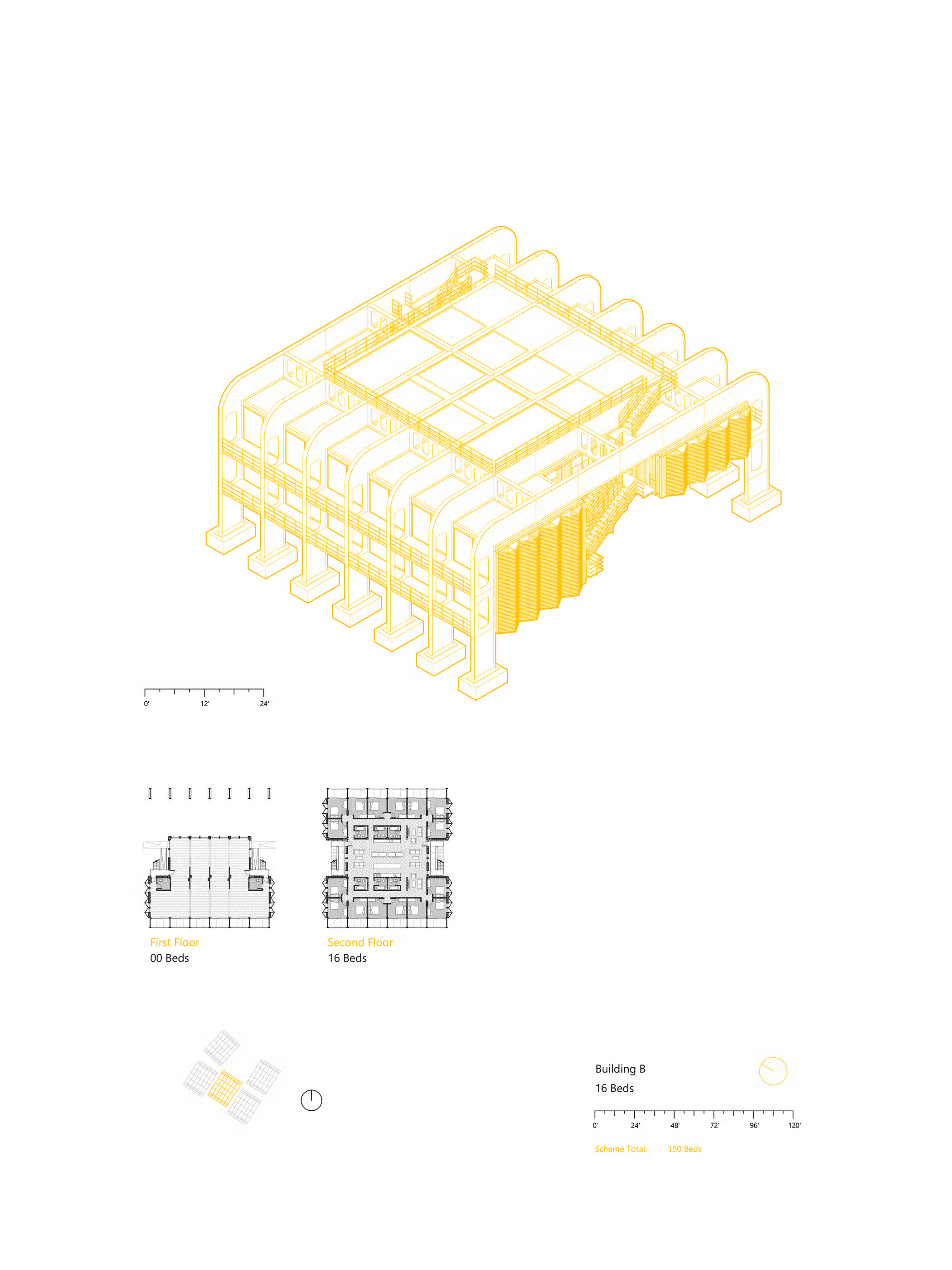
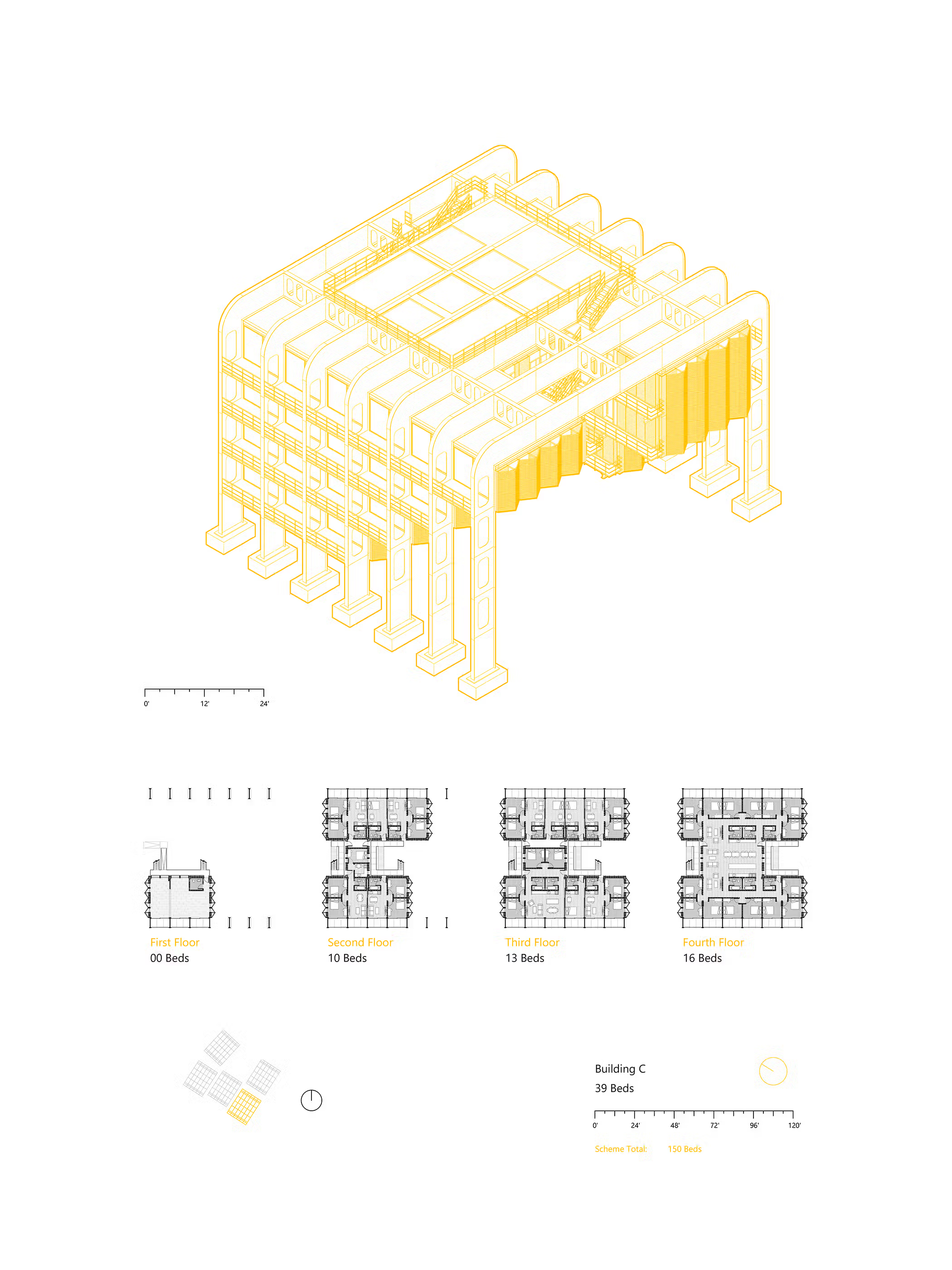
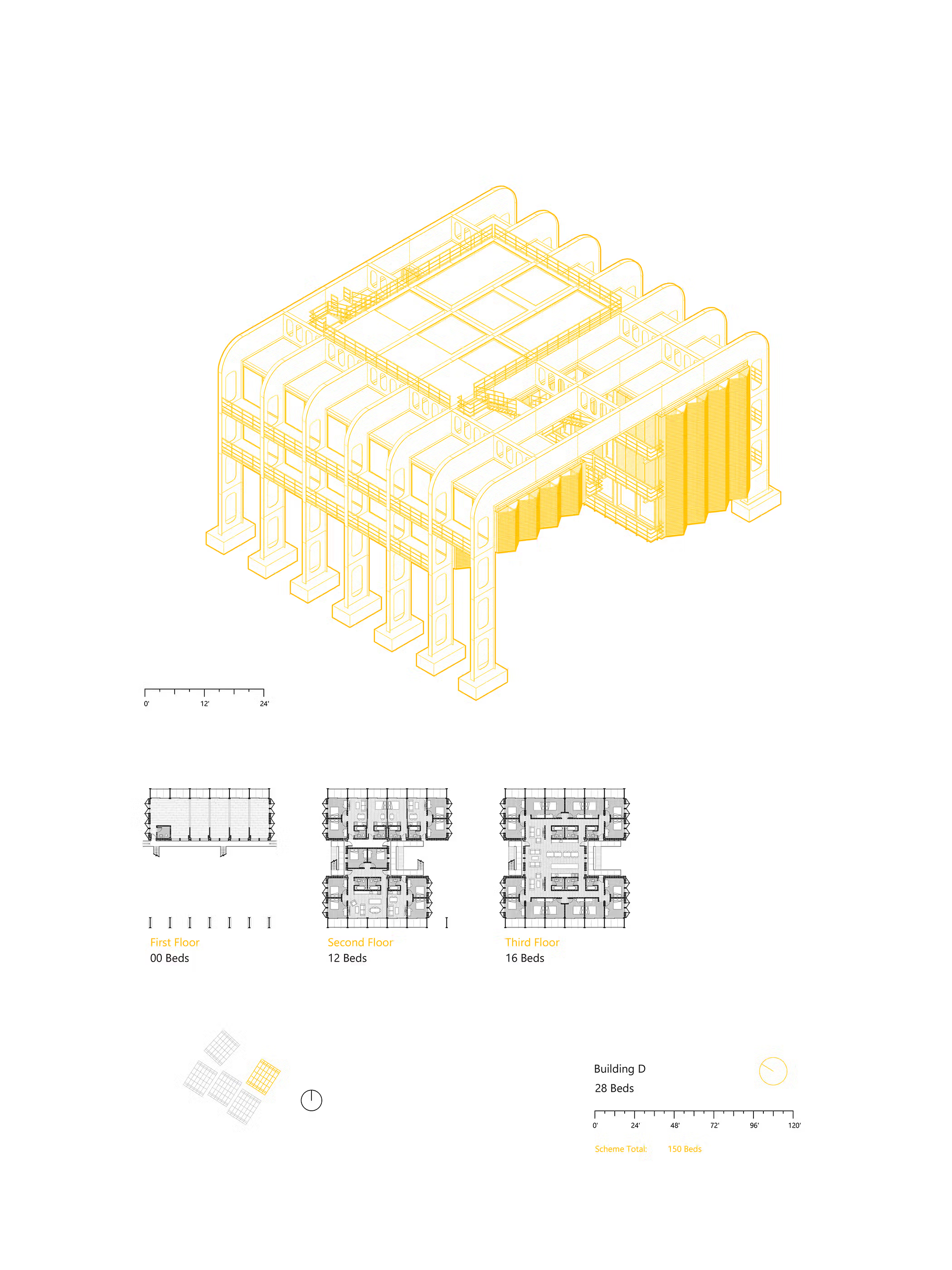
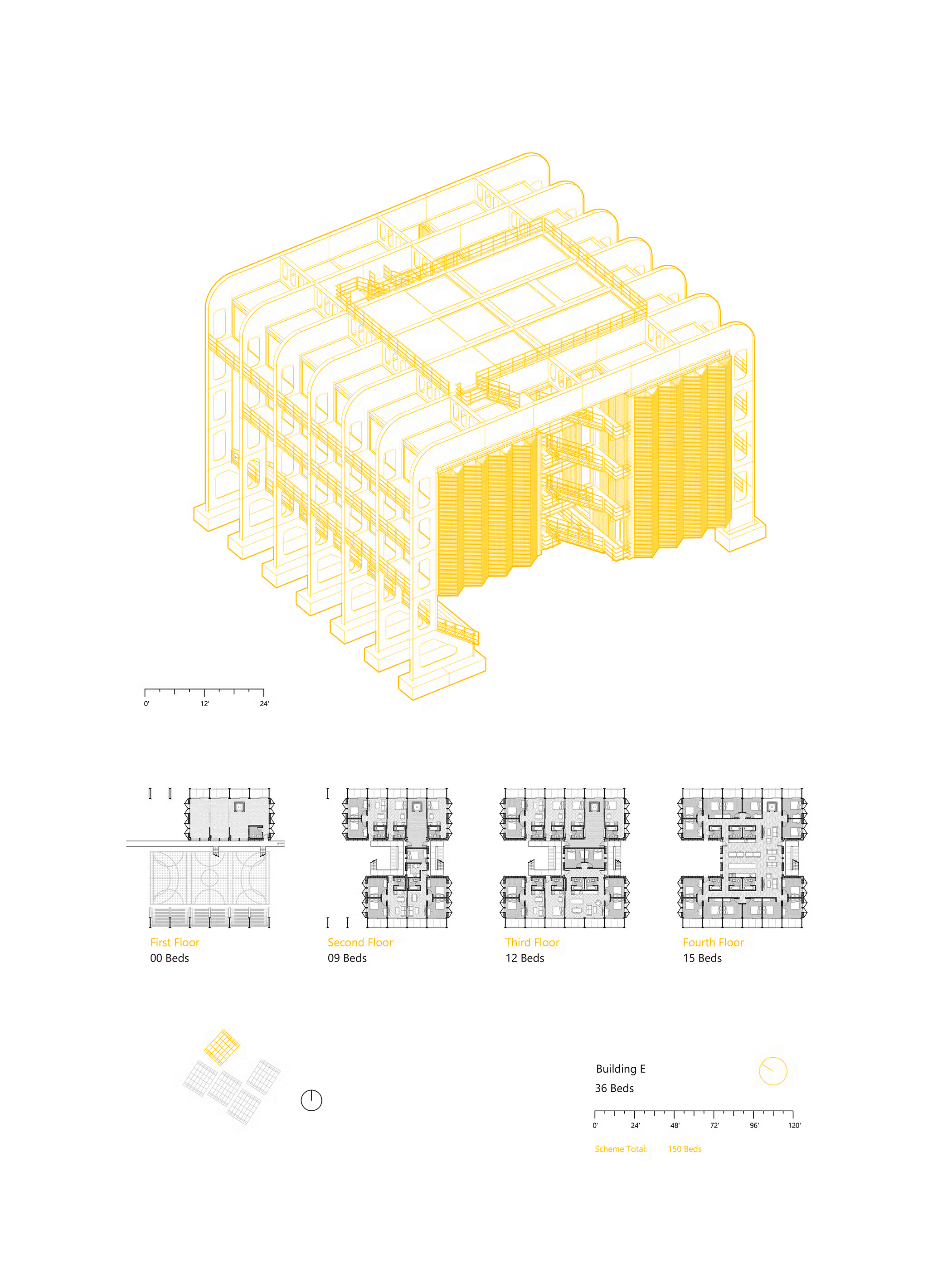
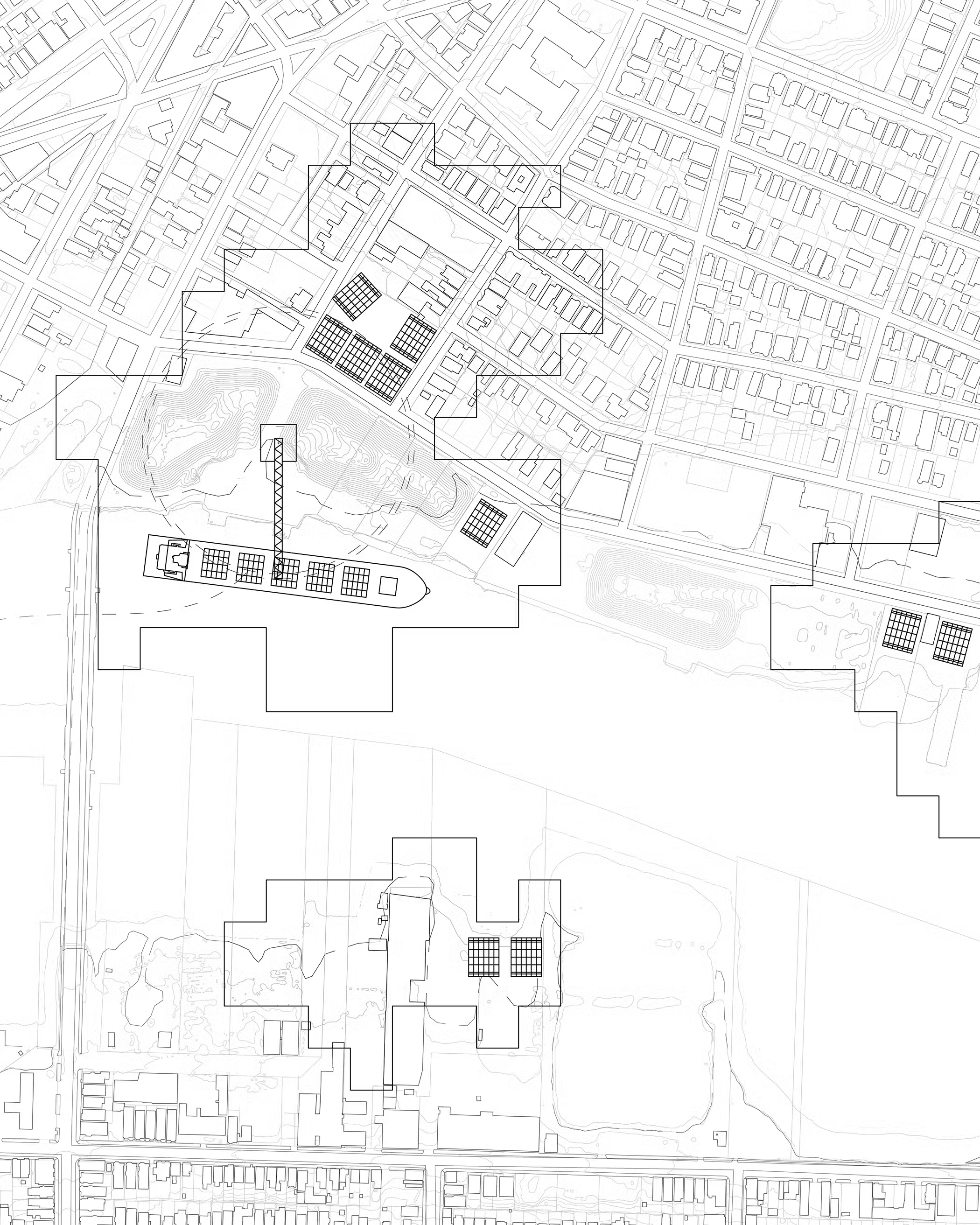
Theseus is a 150-bed housing project adjacent to the Port of Chelsea, MA, that repurposes cargo holds from decommissioned bulk-carrier ships, which are typically retired after just 25 years.
PROJECT DETAILS
PROJECT STATEMENT
The average lifespan of an apartment building in the UnitedStates is 40 years. The project ‘Theseus’ aims to Redefine the domestic timescale by depending on non-domestic, industrial structural frameworks.
A ship is precisely engineered and expertly crafted to transport precious, heavy cargo across oceans, withstanding the most extreme conditions. Our project interrogates what is possible when this form is applied to housing. ‘The Ship of Theseus’ tells the story of a ship that isritualistically repaired over time, each plank replaced, one by one. Thequestion is posed, ‘is this the same ship or a new ship?’ This project tellsthe inverse of that story.
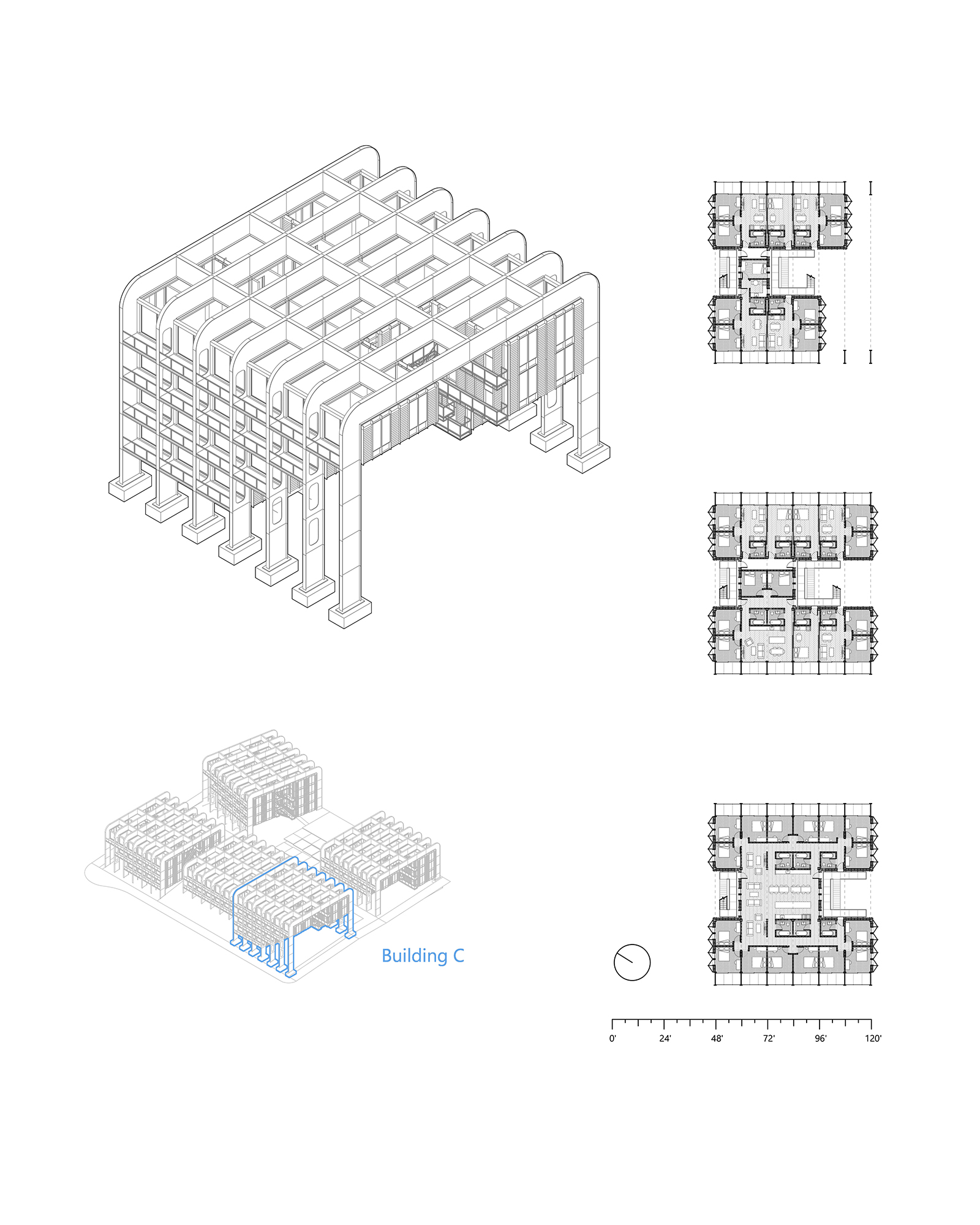
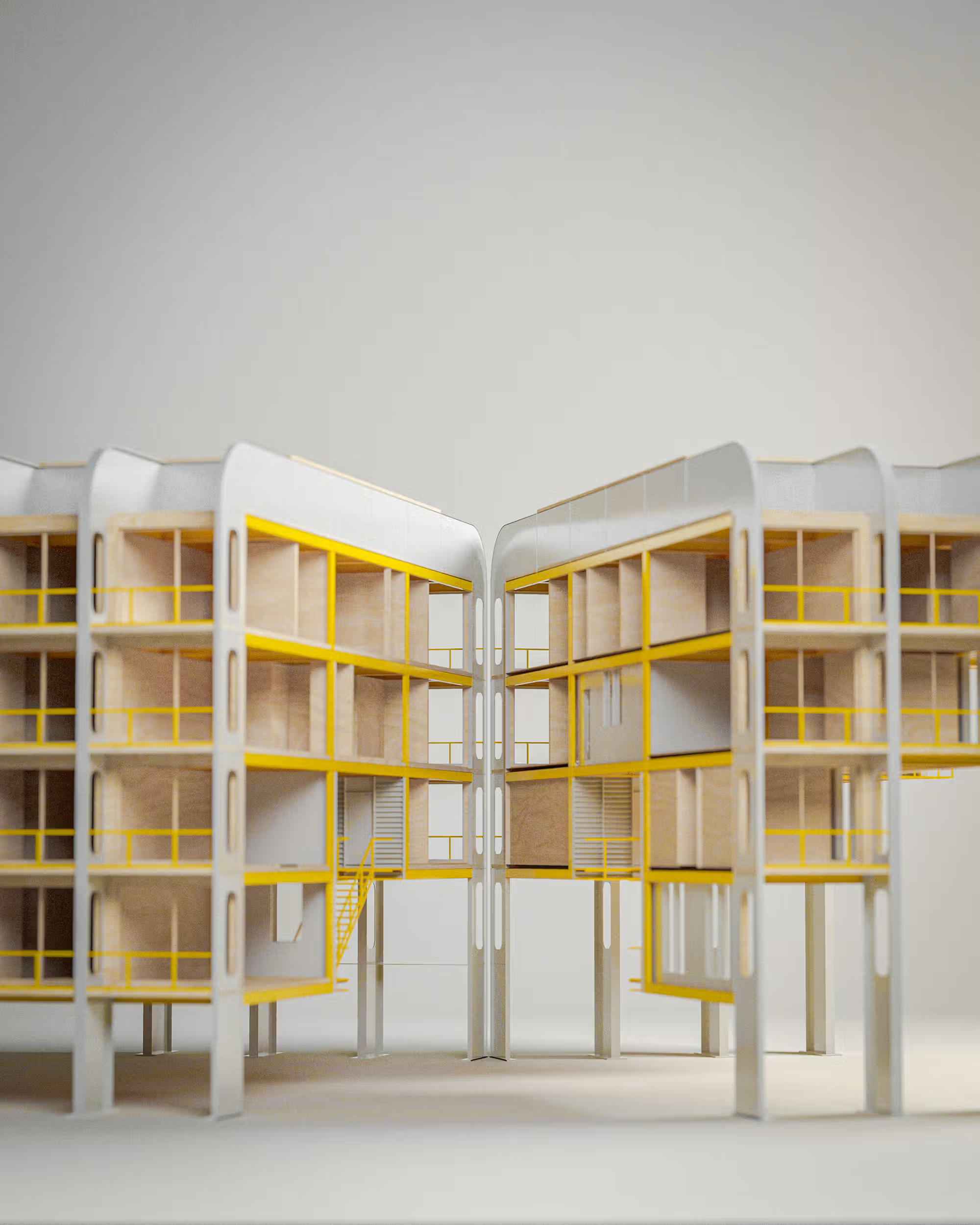
Upon reaching the end of its life as a bulk carrier, thecargo holds of our ship are carefully separated and placed throughout thenearby community. In our story, there is no question that this is the sameship. These welded structural steel I-beams supported thousands of tons of saltacross the Atlantic Ocean in their very configuration. Now they stand as thesuperstructure holding housing.
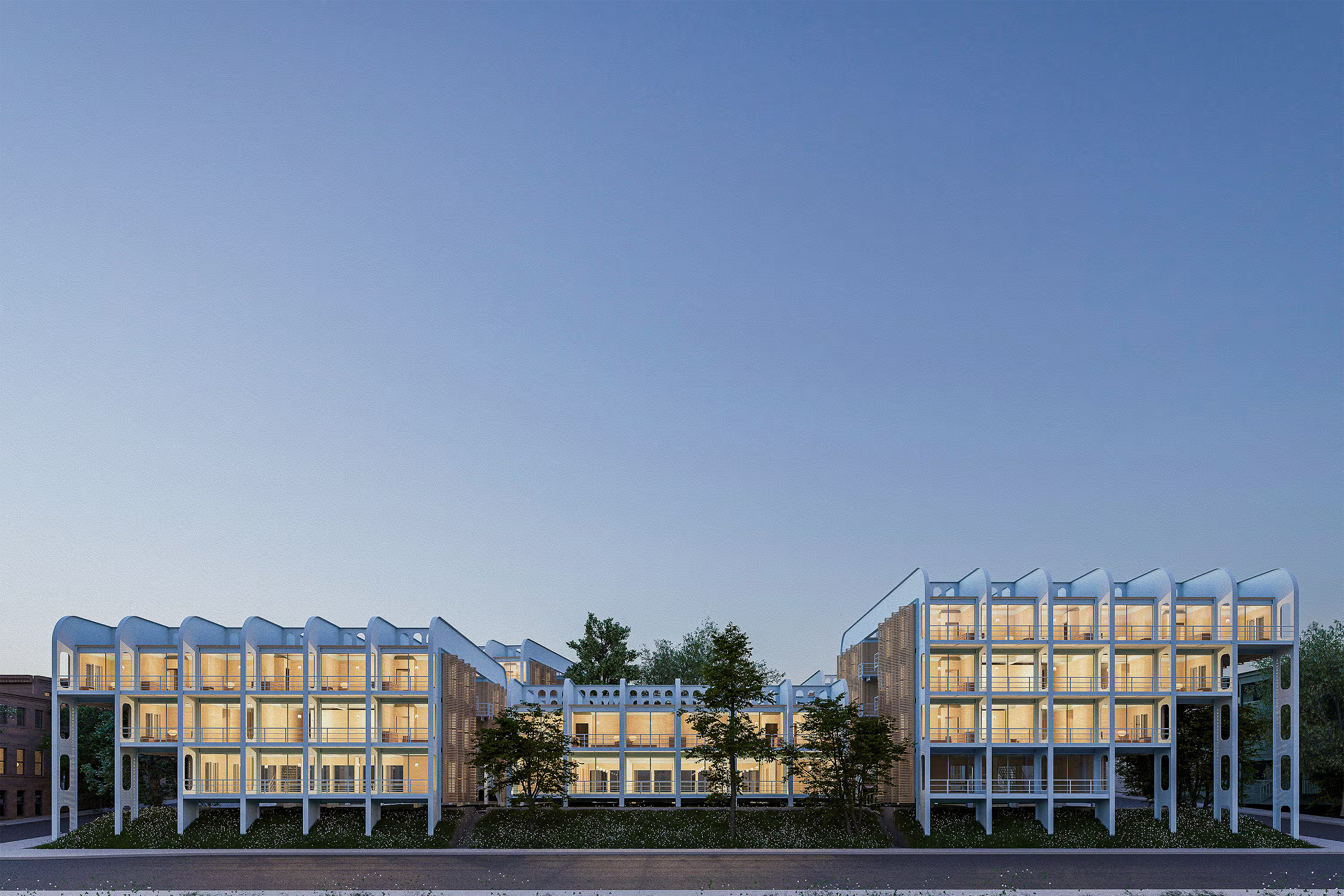
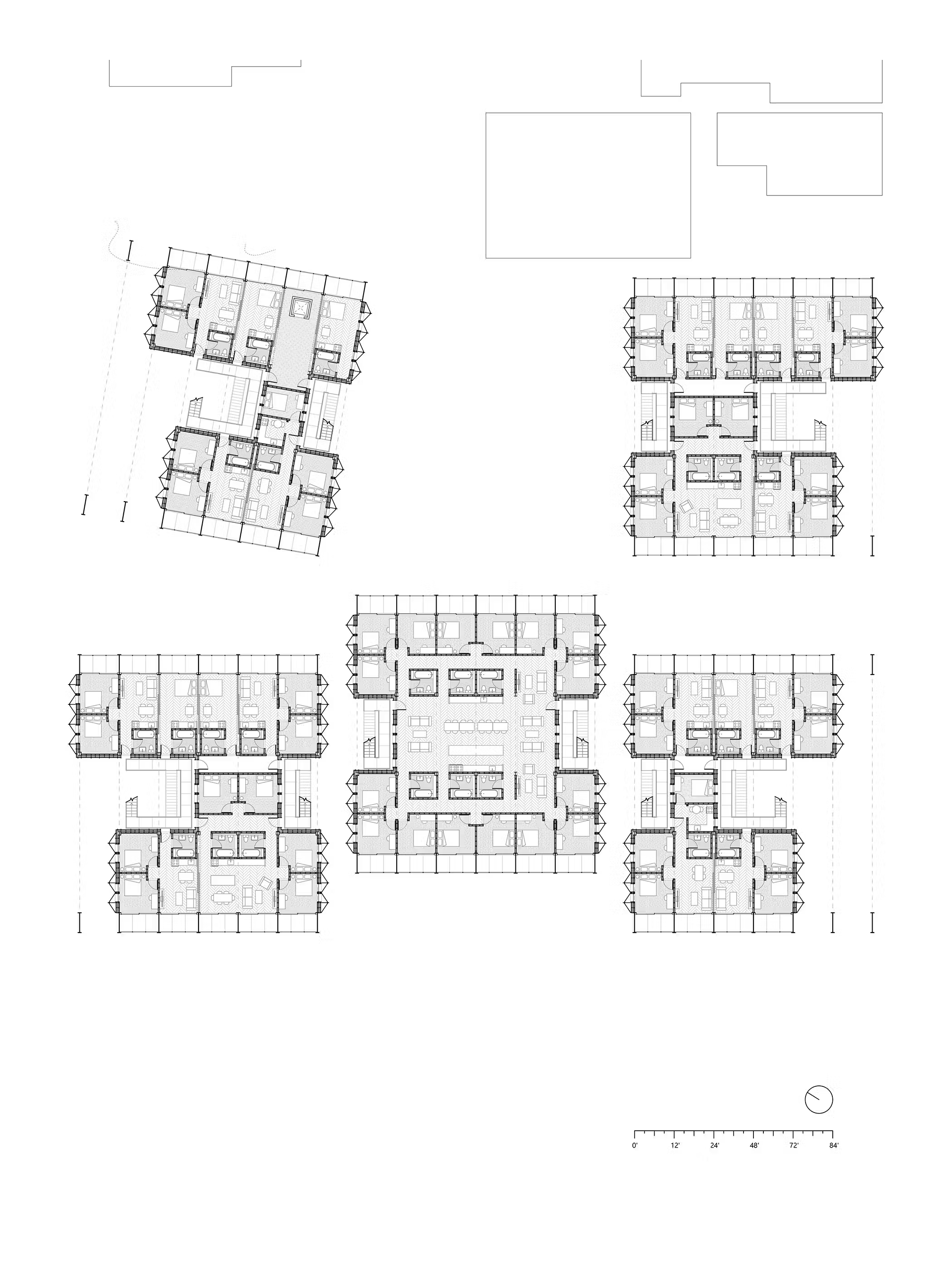
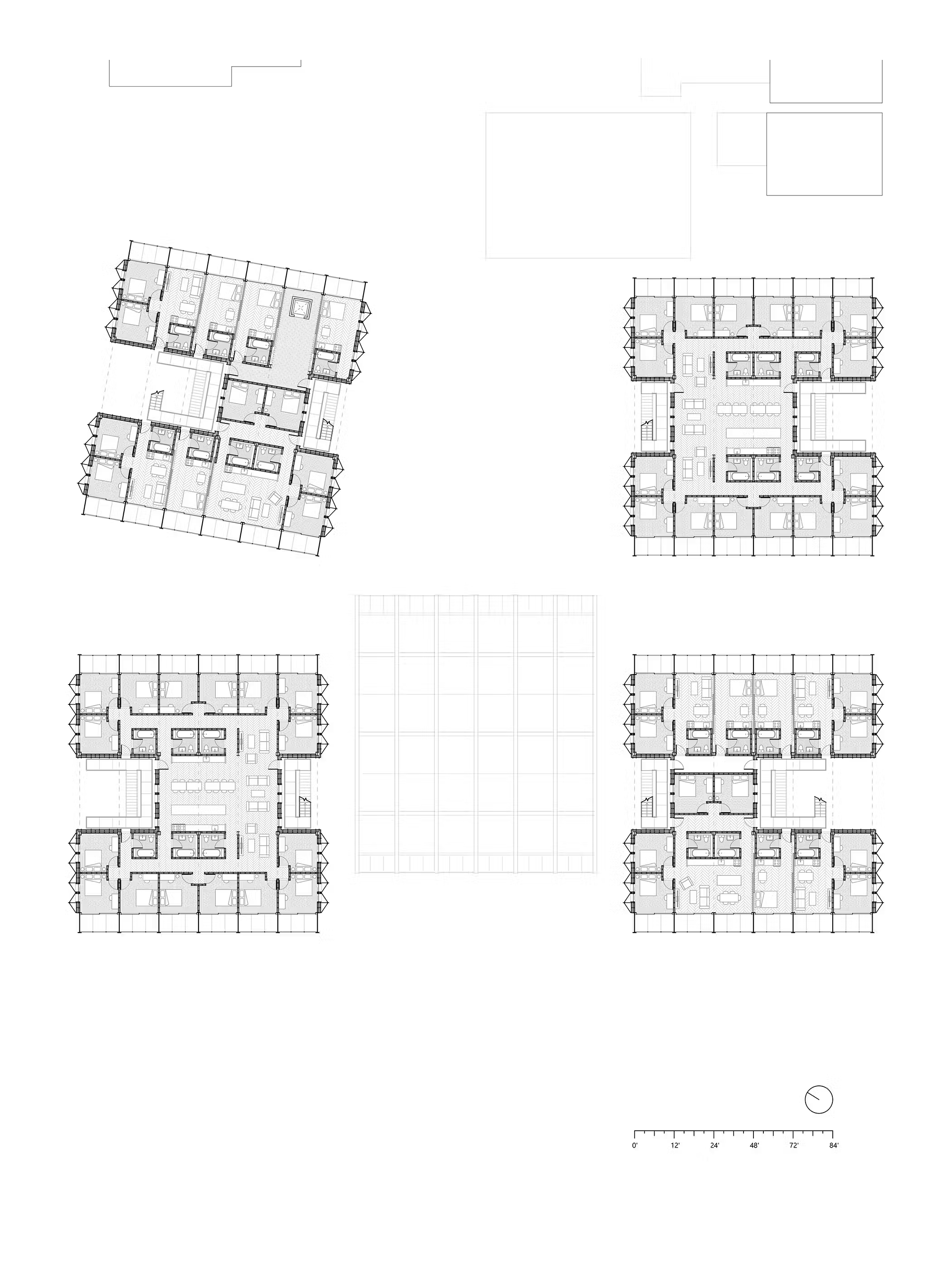
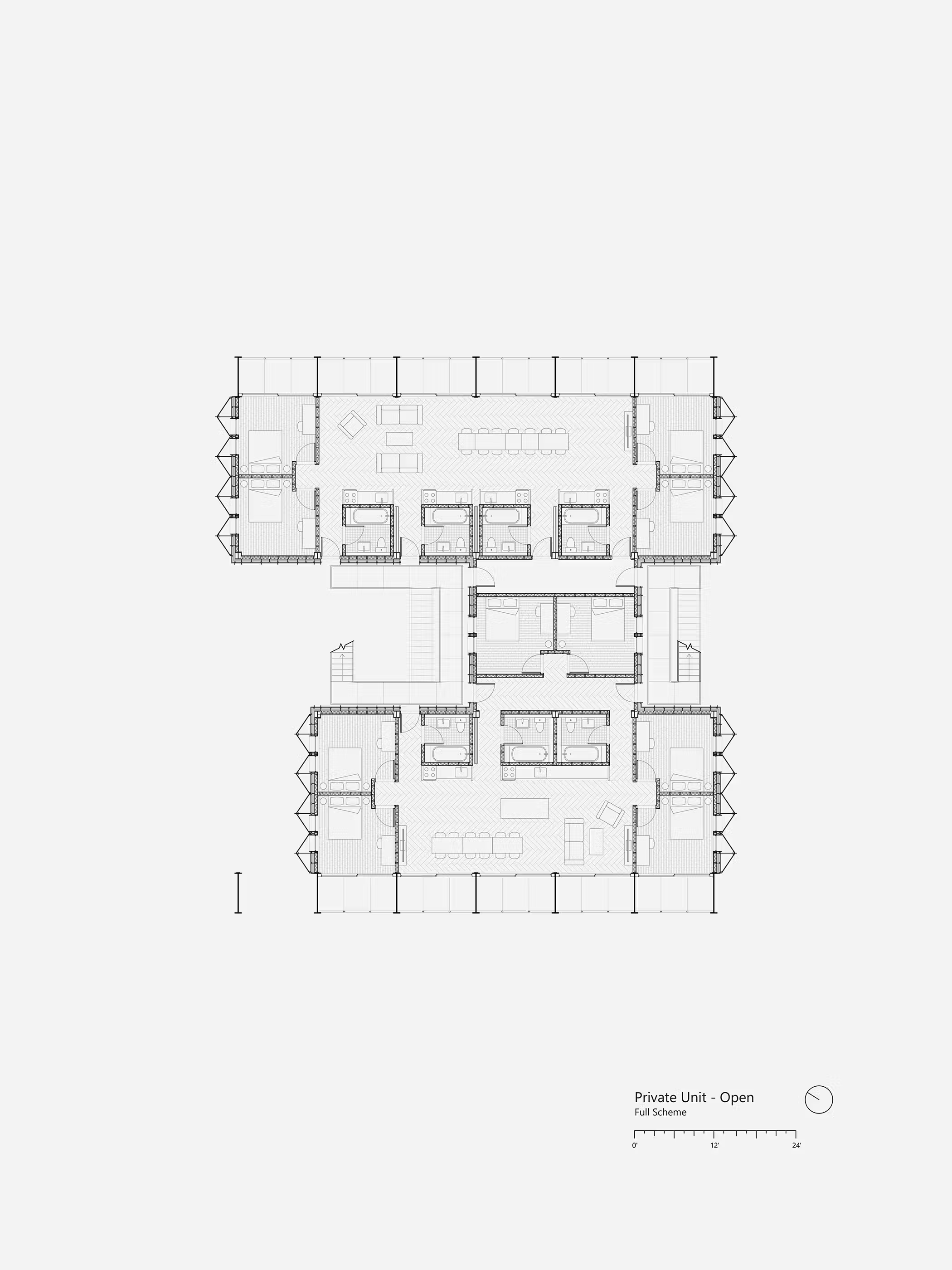
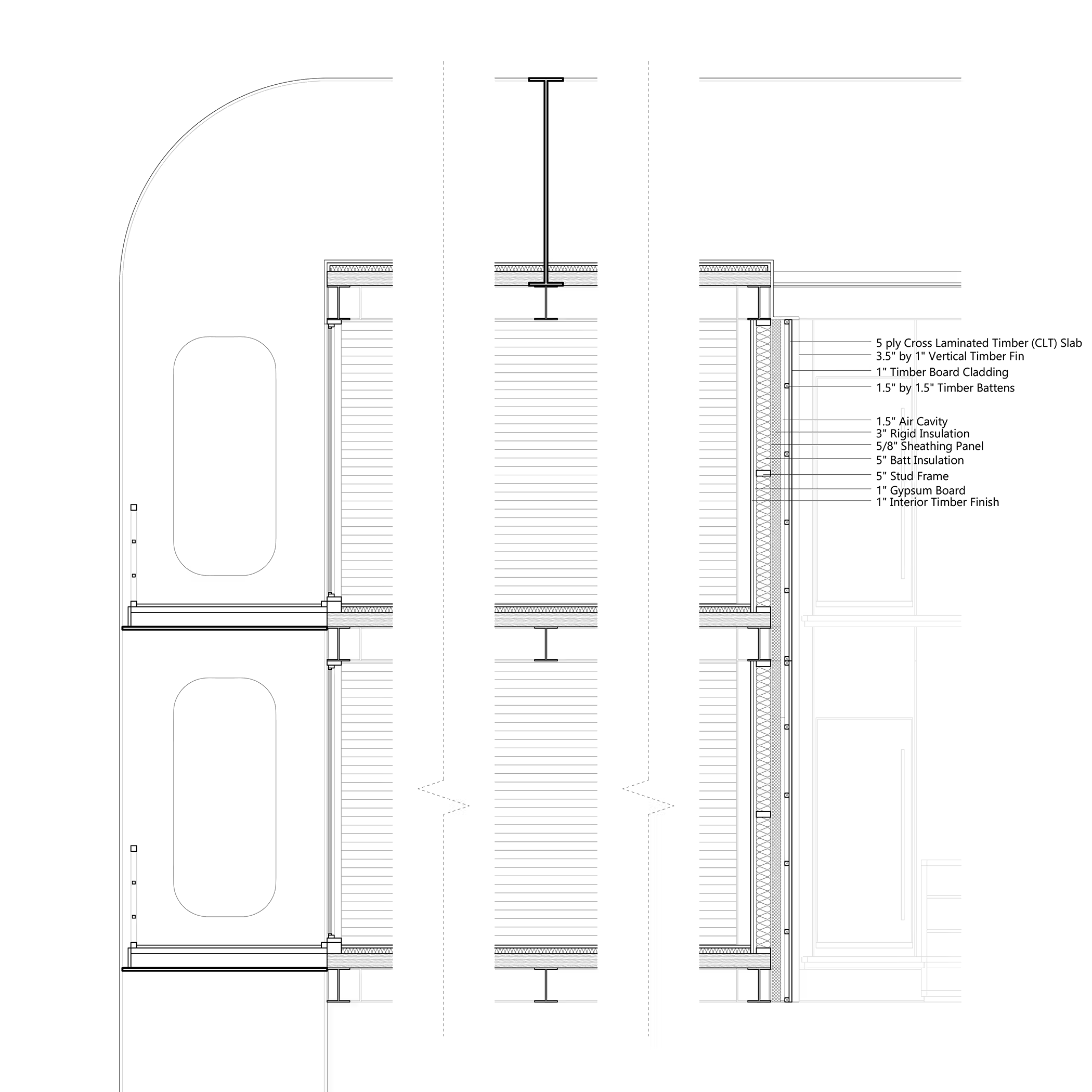
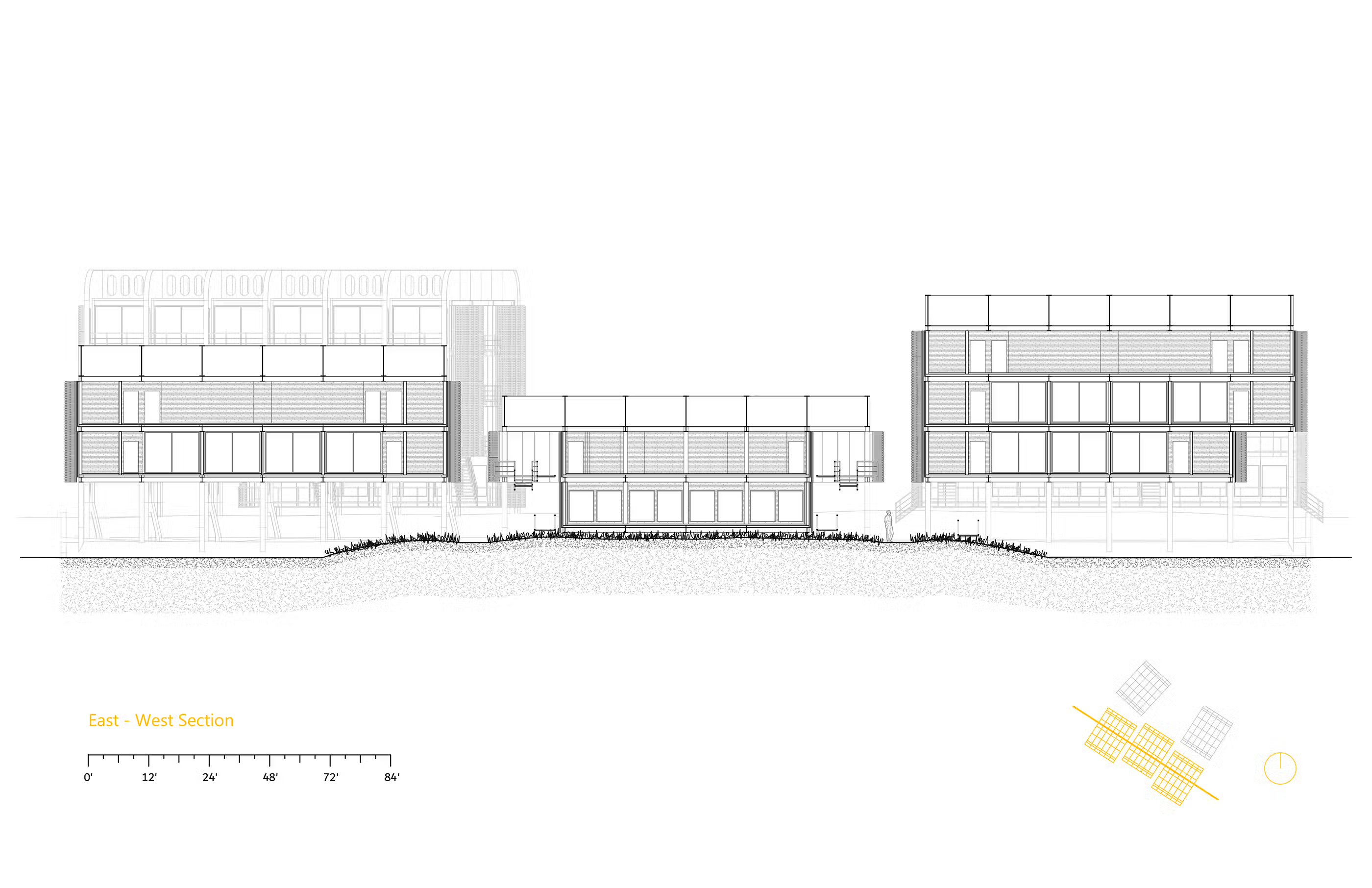
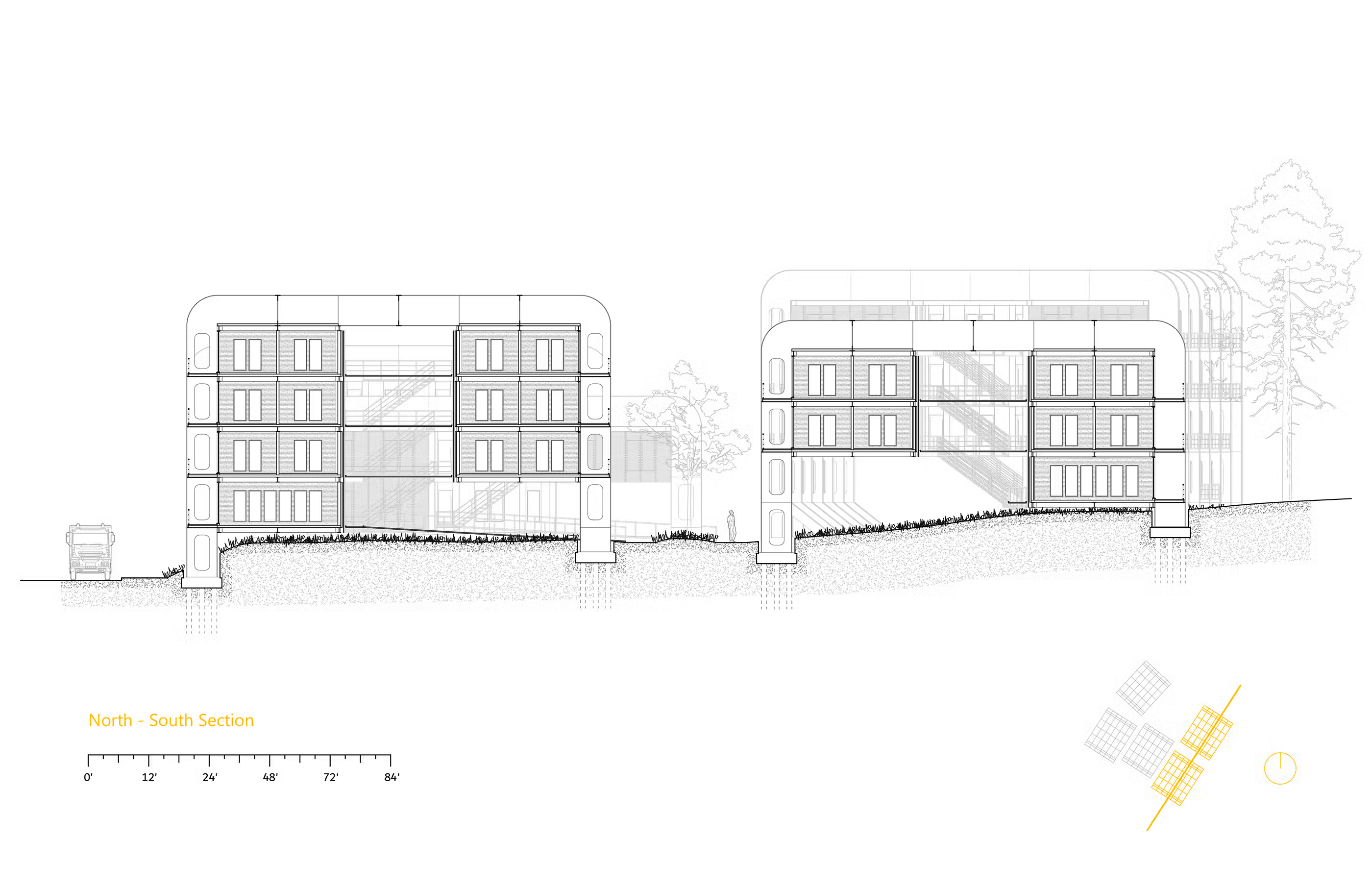
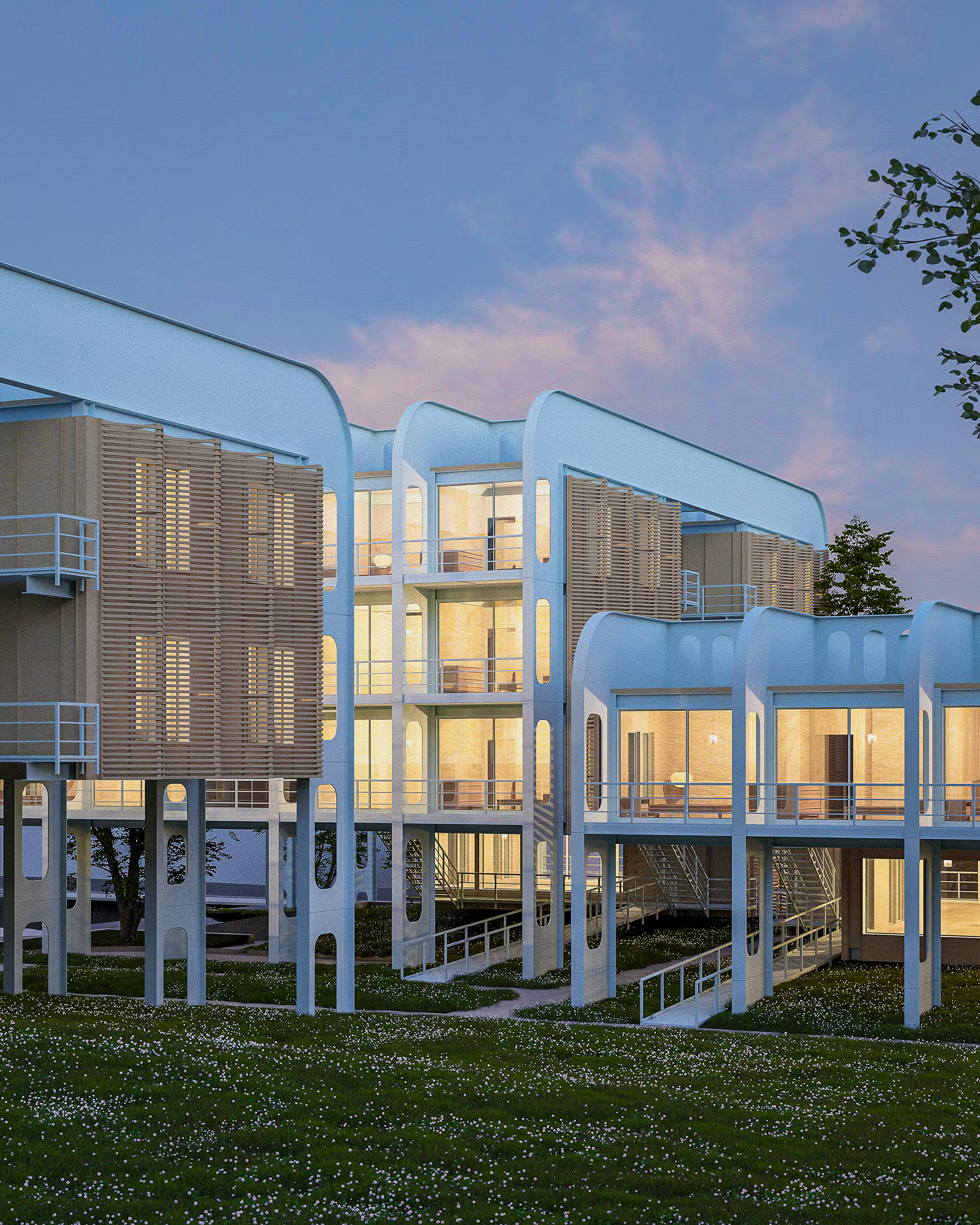
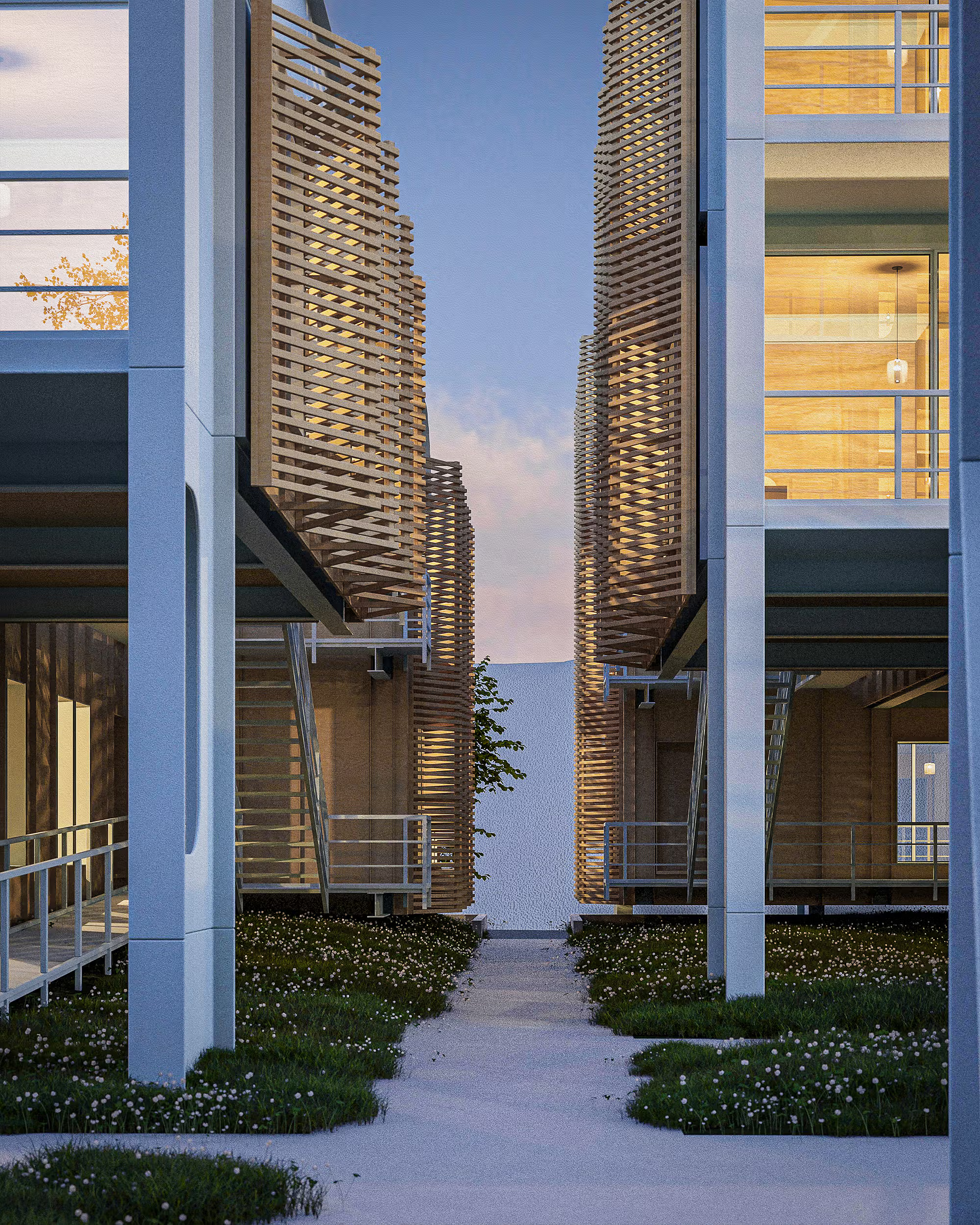
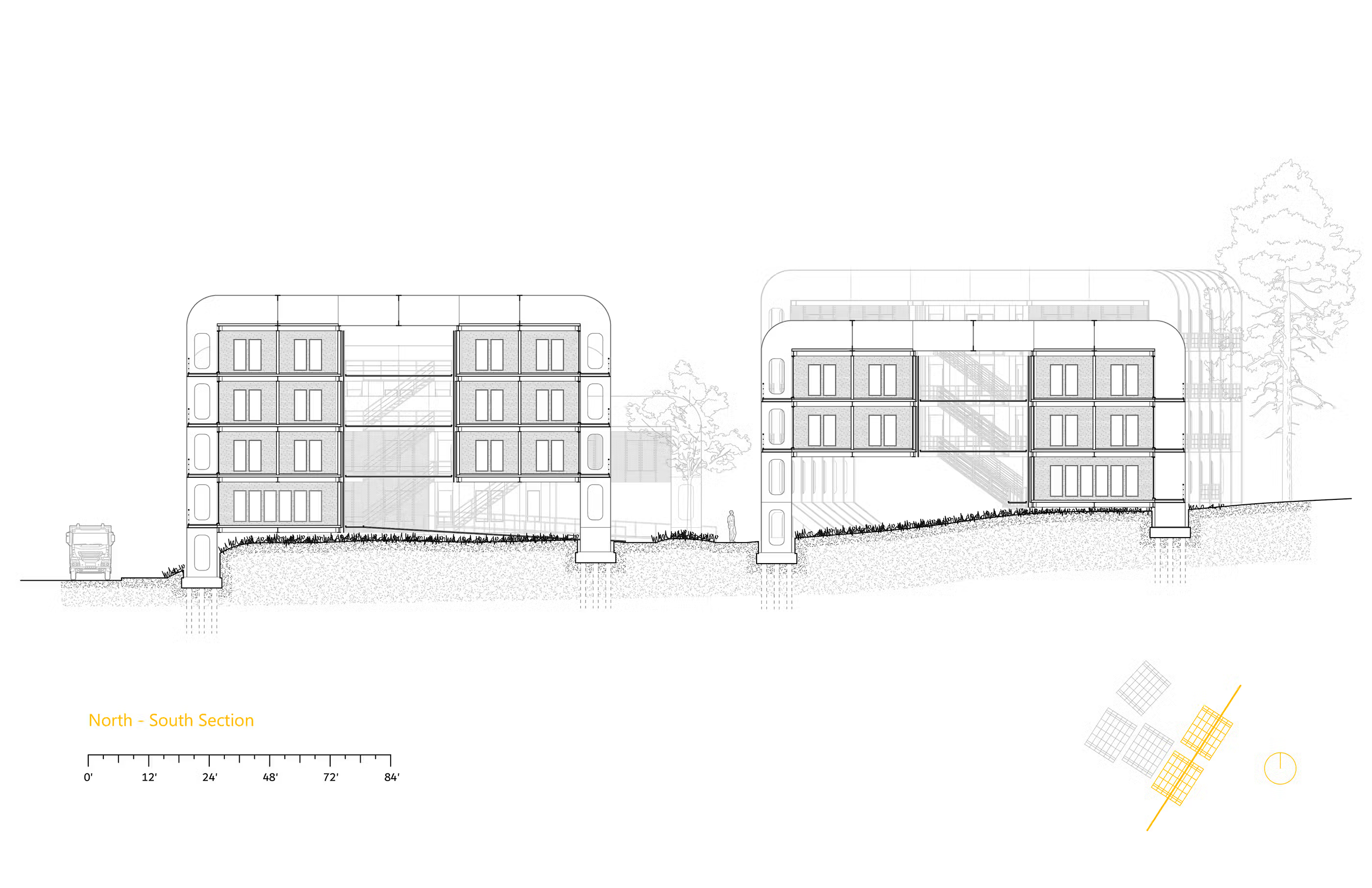
The immense structural integrity of the cargo holds allows for two primary affordances: Opening the ground to the public and elasticity within the private spaces. Floor Plates are suspended from steel columns in tension, allowing the burden of the indoor program to rise to the upper fl oors and the ground level to remain open for public and communal use.
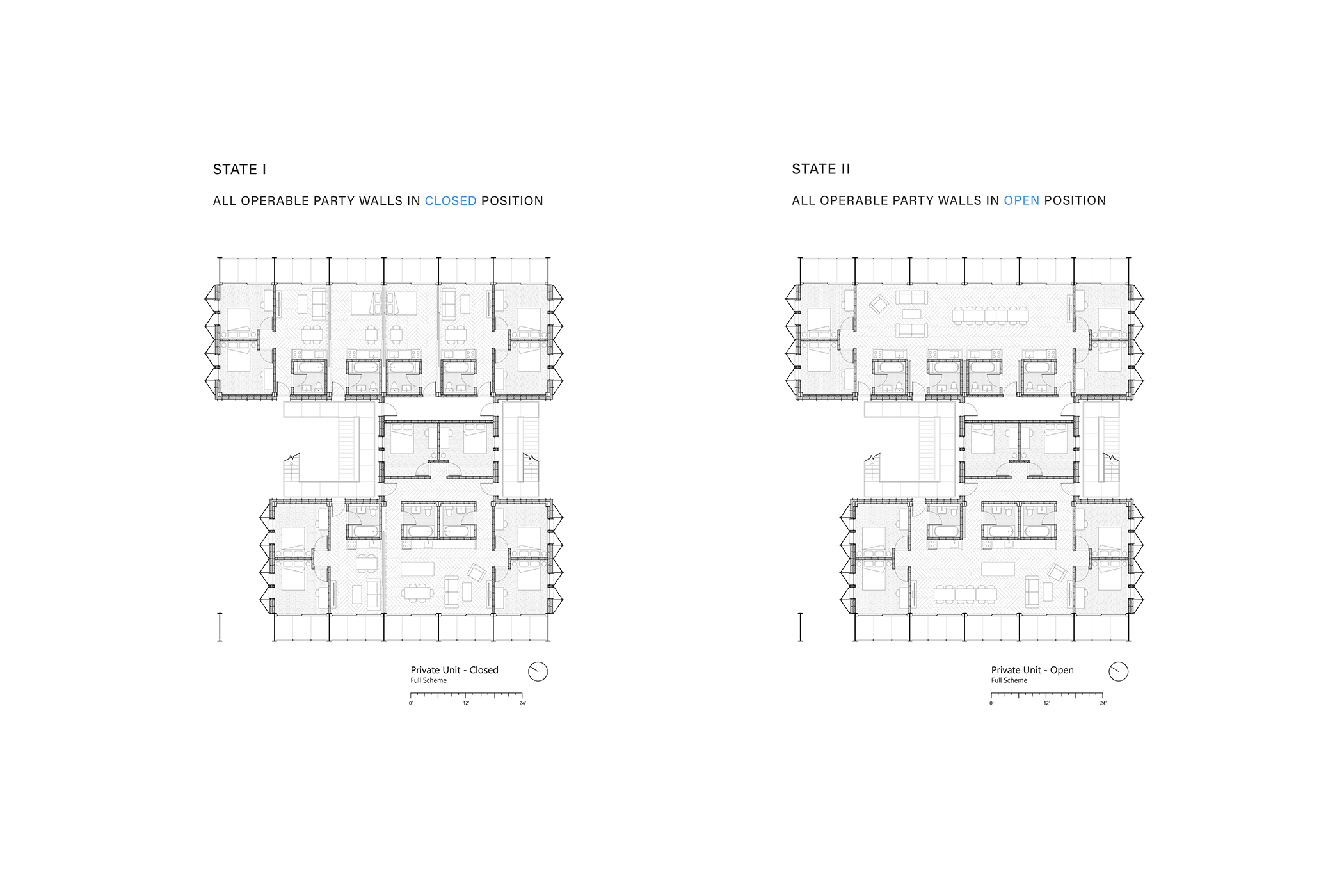
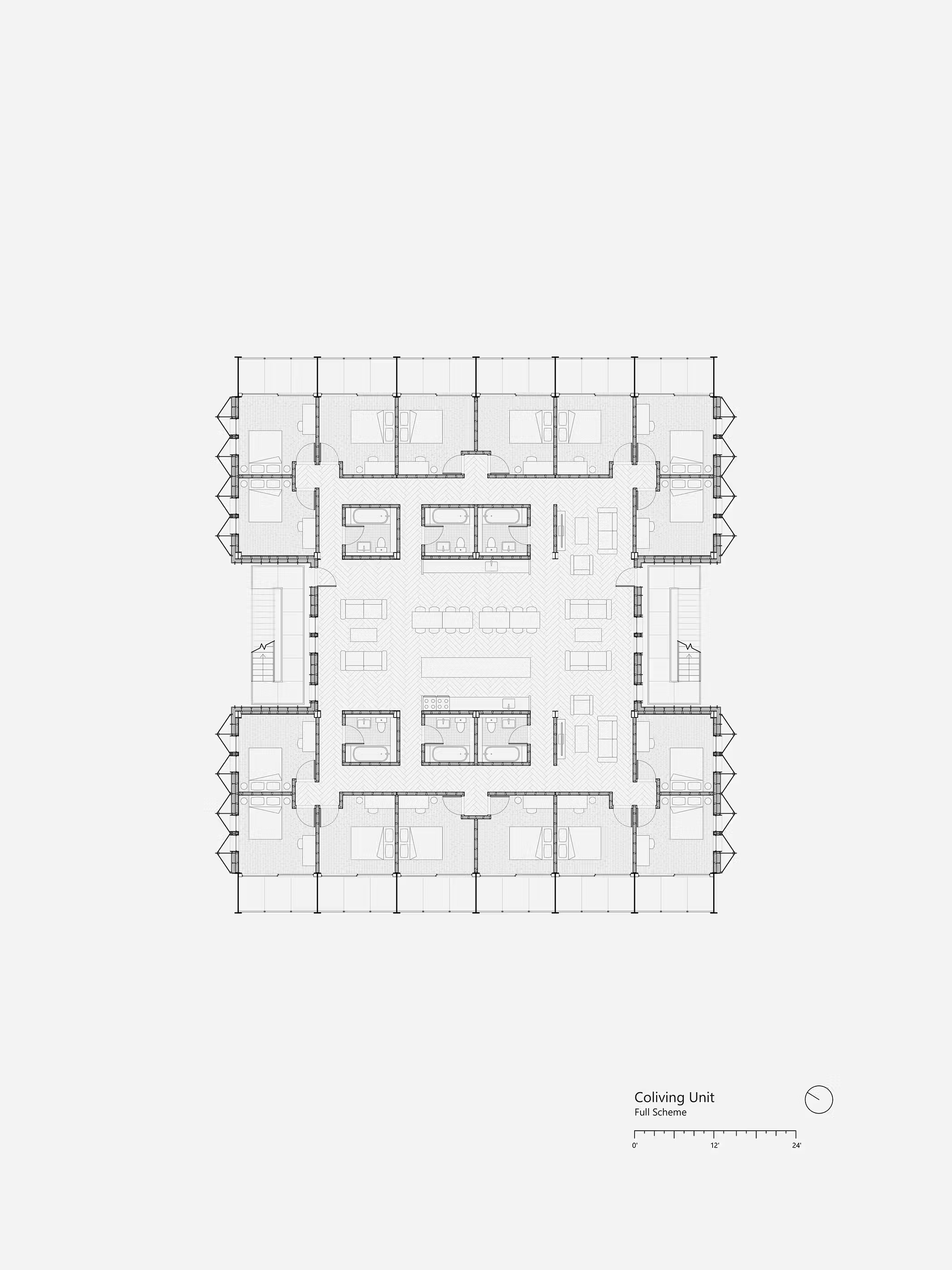
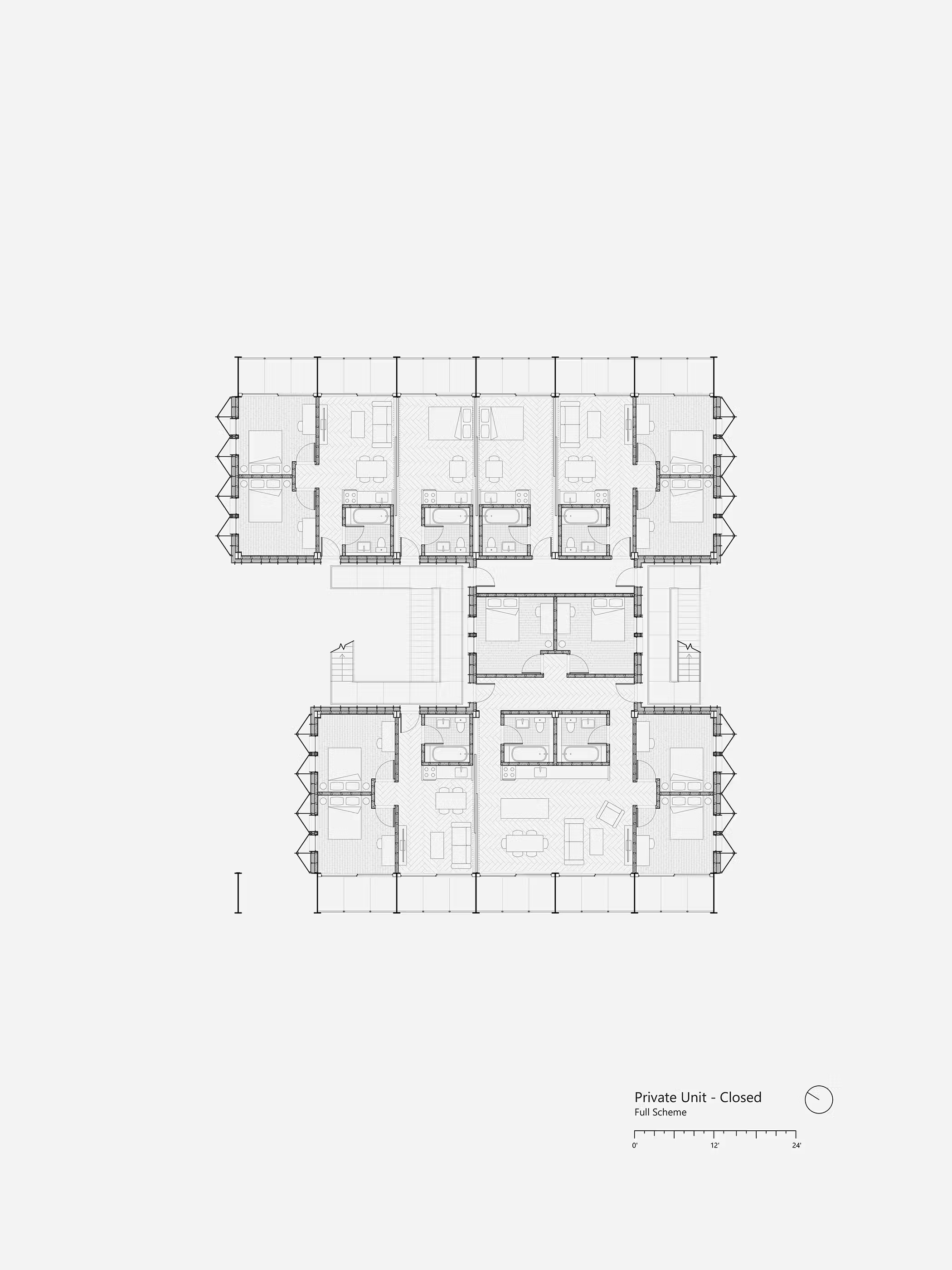
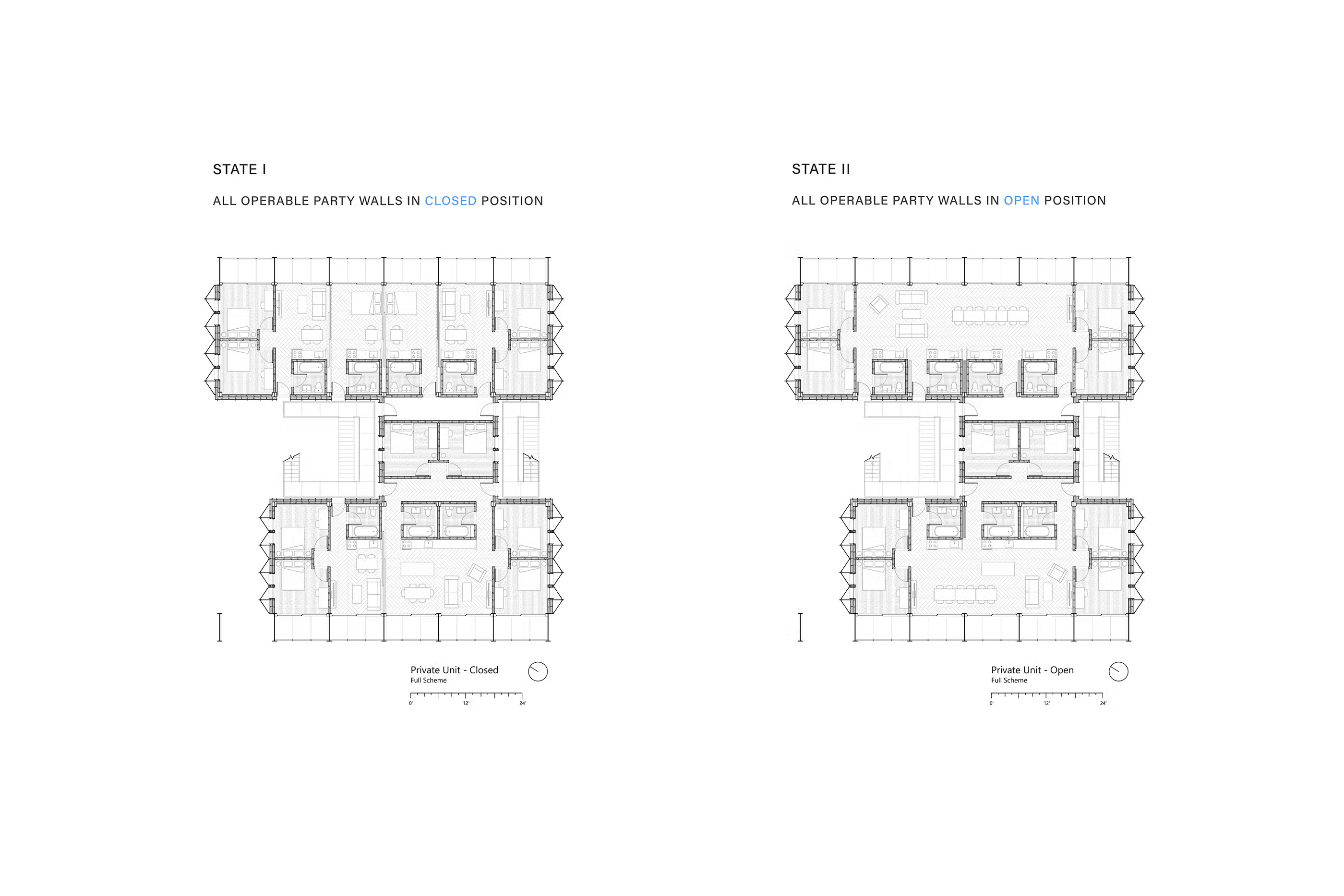
This project is designed to meet three possible future conditions, increasing threats to the climate, material scarcity, and shifting domestic needs. The modular unit design supports evolving living situations—expanding, contracting, or combining to meet the needs of individuals and families. The ground level is intentionally floodable, while the elevated steel frame resists deterioration, enabling long-term use despite environmental stress or limited access to new structural materials.
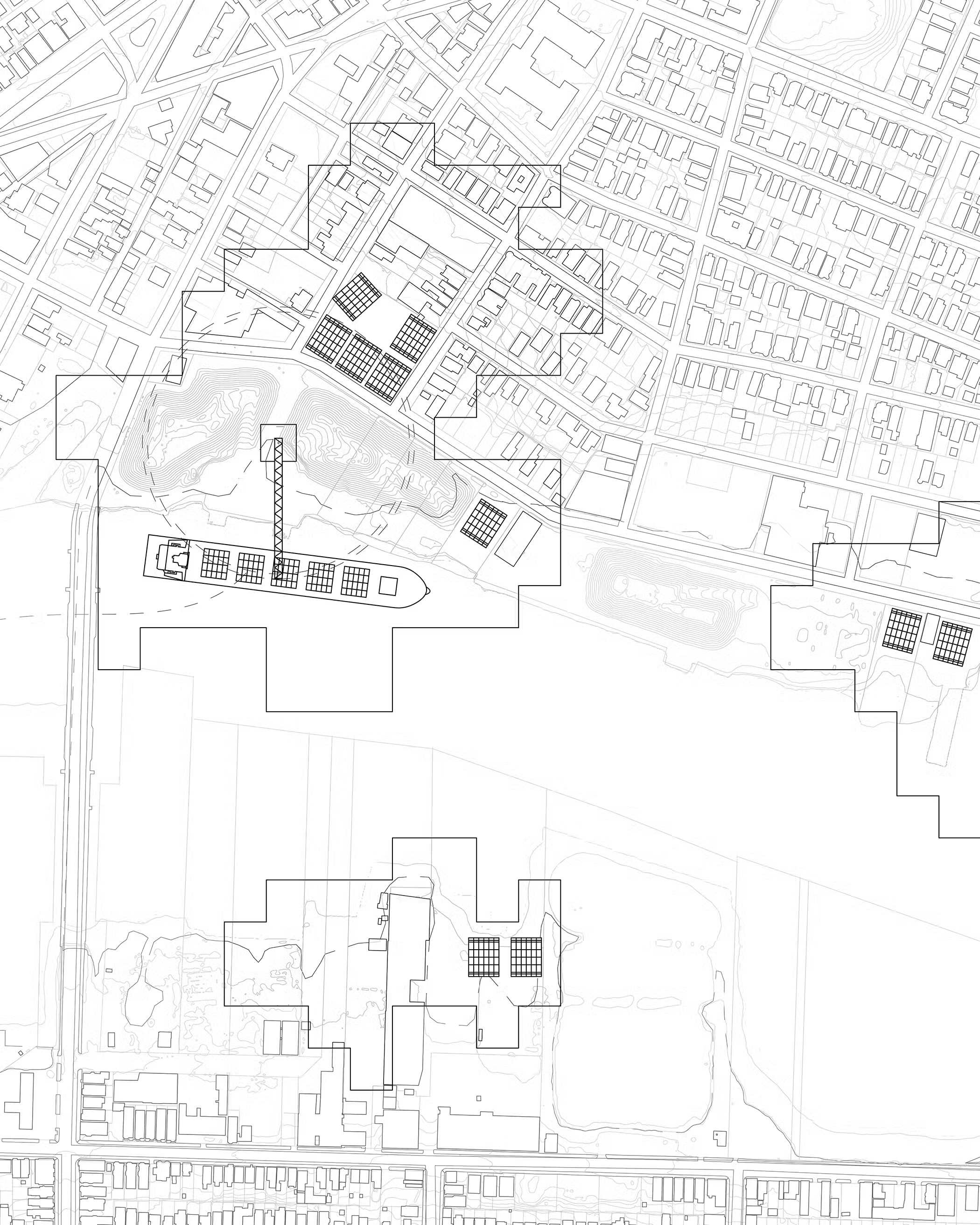
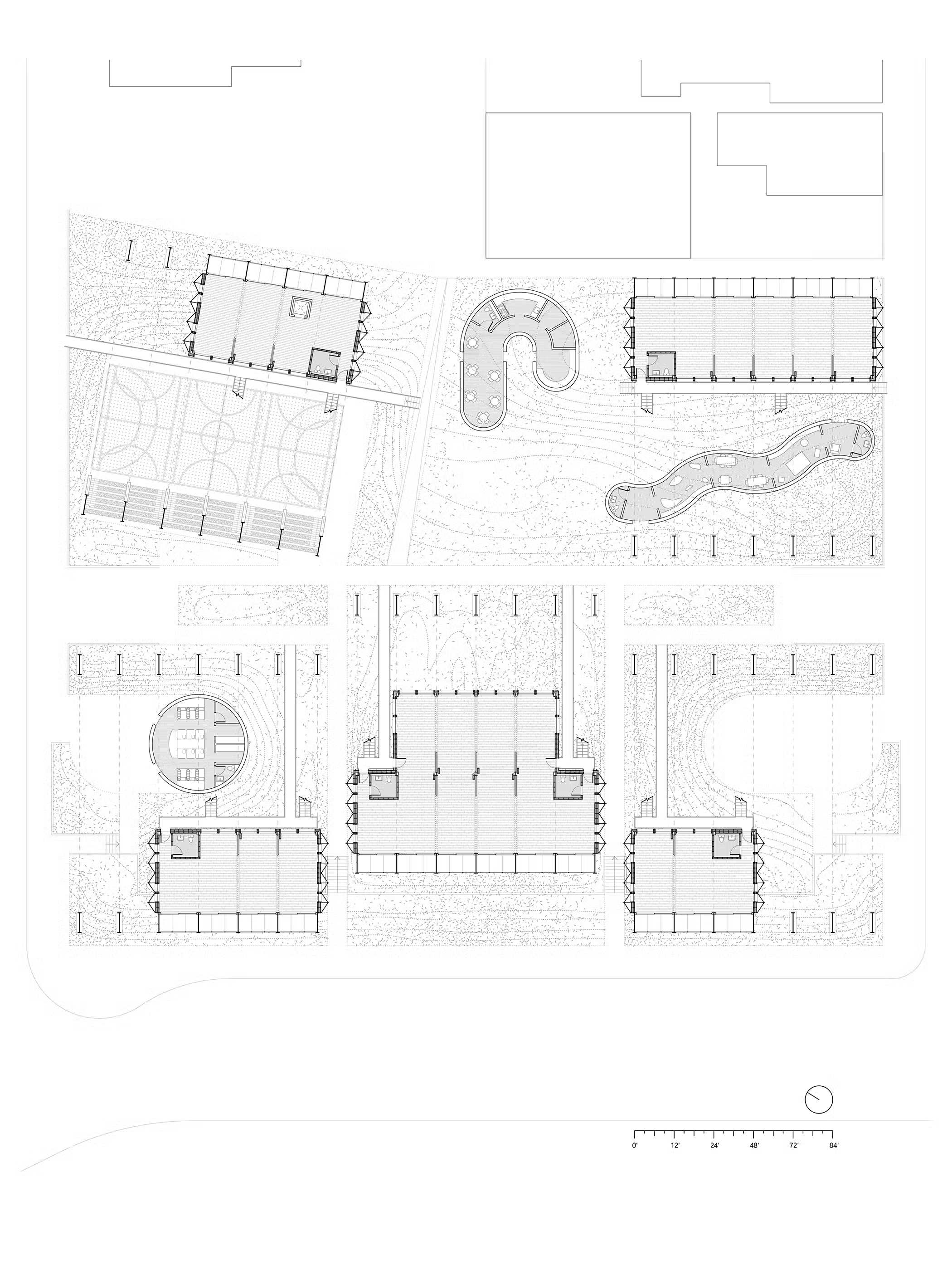
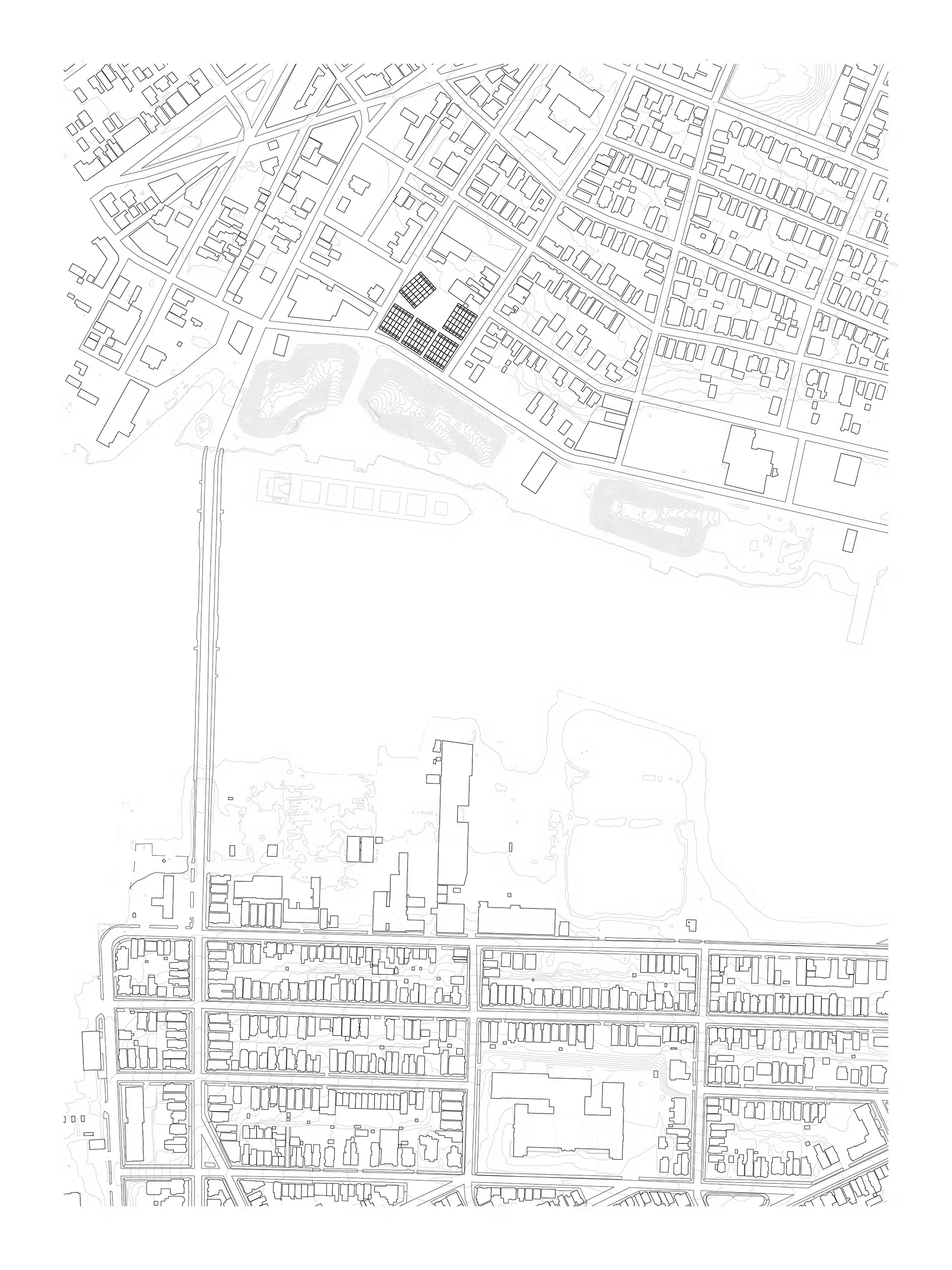
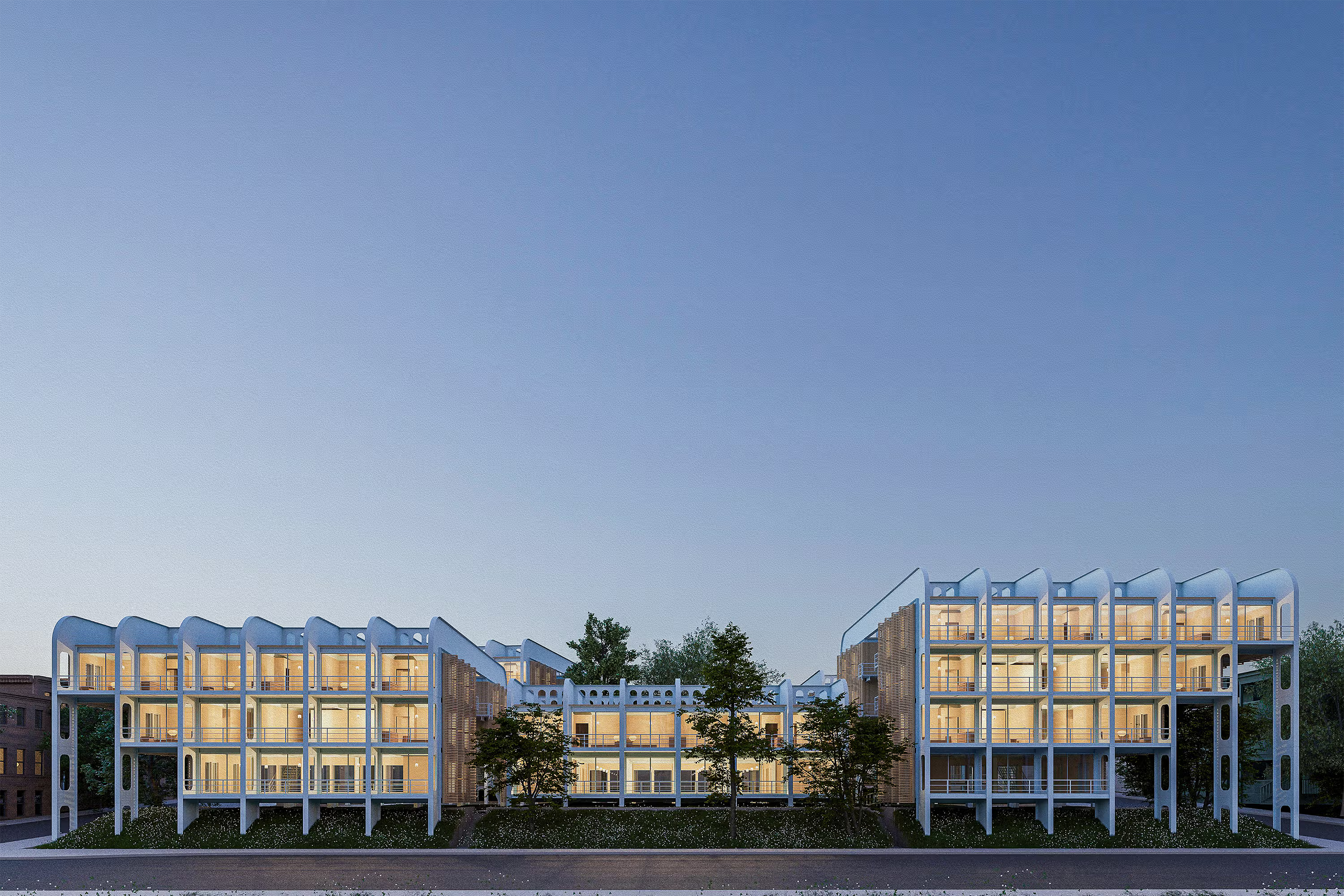
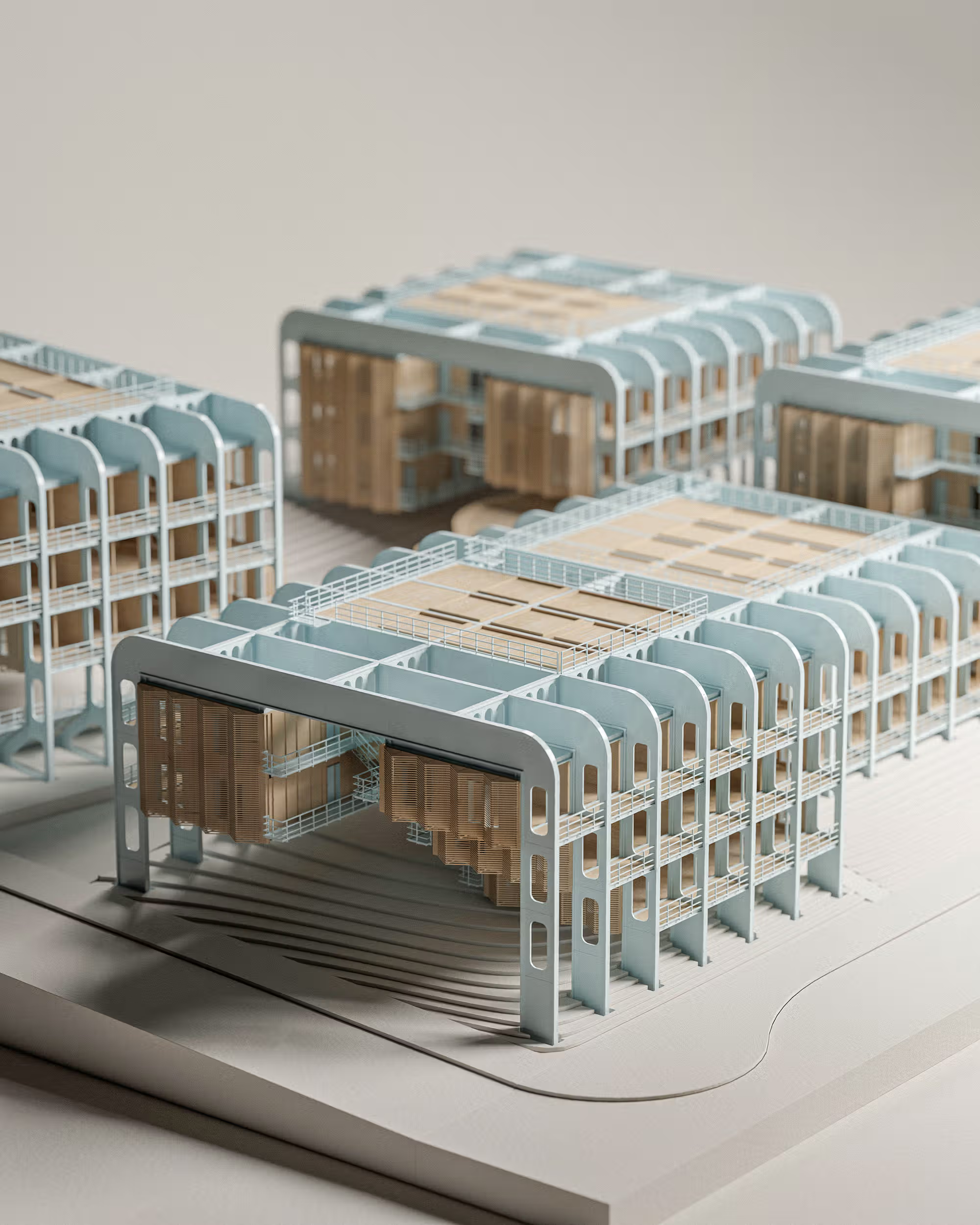
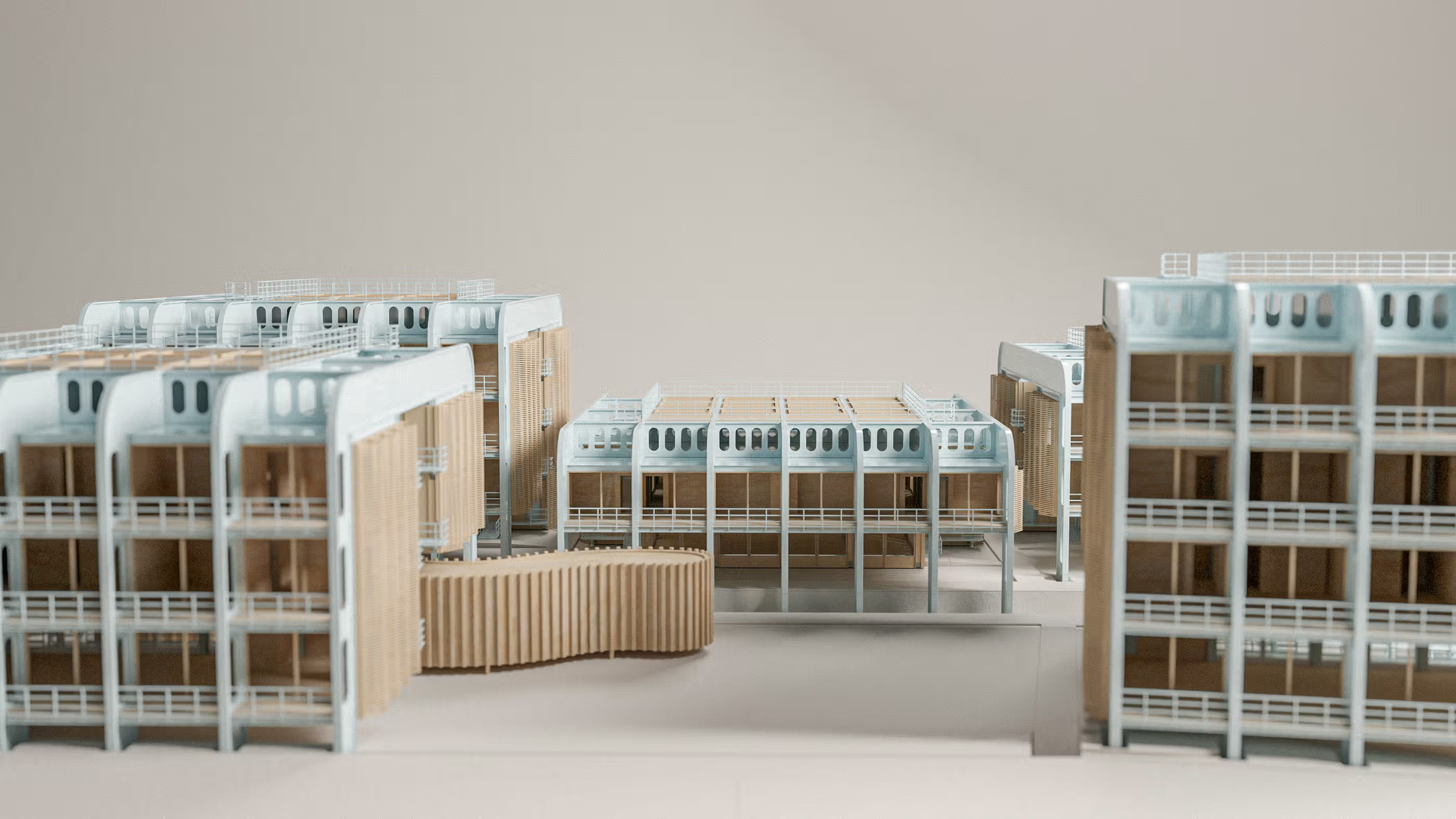
Five Cargo Holds are turned and brought onto site to support the 5 mixed-use buildings. As Marginal Street is a state designated trucking corridor, three buildings are positioned up against the Marginal-side site boundary creating both a physical and noise blockade between the outdoor community gathering spaces and the busy thoroughfare beyond.
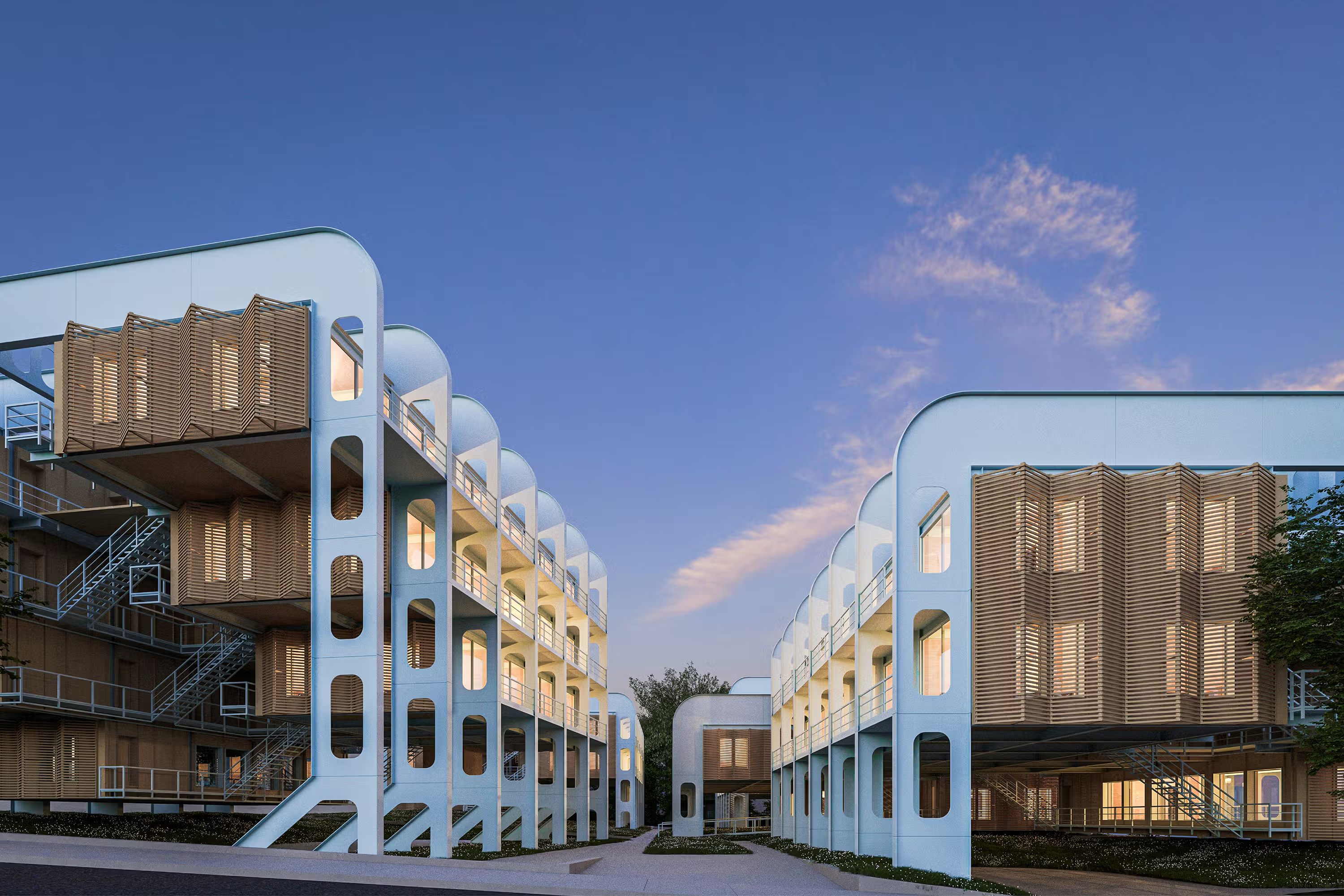
The loose grid creates an east-west accessway allowing for community continuity from the gardens and bus stop on the west to the residential area, children’s park and bodegas to the east. The formation omits the top central space to give way to a plaza where a sloping park and cafe greet the residents and the broader community at the center of the access-way.
Finally, the top left building is turned outward, the basketball court opening itself to the public street, welcoming all to enter. A widened entrance to the access-way is created by this 10 degree rotation inviting Chelsea to participate.
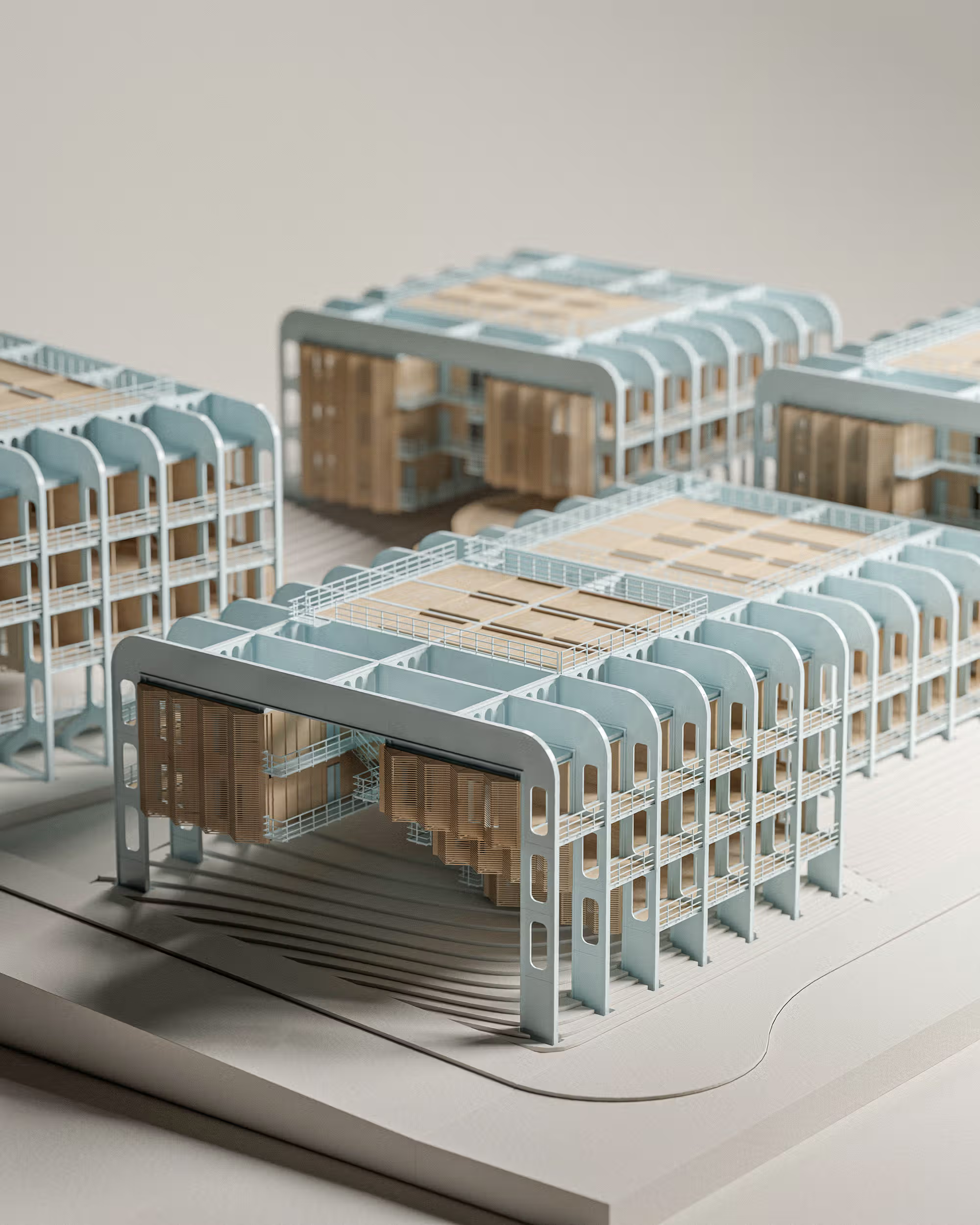
The open ground level is a key component of our project, structurally, socially, and ecologically. By lifting the housing above, suspended from the superstructure, the ground is liberated for community use. This design move shifts the private area of the site up, allowing the project to serve more than its residents. The result is an active commons.
Dynamic green space weaves alongside paved walkways and pads to support flexible uses. It can transform into a shaded corridor during the week, a Sunday market on the weekend, and a place for pick-up basketball each afternoon after school lets out. The ground level remains open and adaptable, becoming a platform for everyday encounters and rituals. The arrangement of the five buildings encourages passage from the street to the commons and services beyond.
With the ground released, smaller, lighterweight structures can spring up. Three smaller-scale annex buildings punctuate the site with valuable services: a café with indoor and outdoor seating, a daycare to support working families, and a laundromat as both a utility and informal gathering space. Over time, more buildings could rise here, and modest, site-specific solutions could respond to future needs. The ground is not just open; it is generative.
The project shifts housing from isolated shelter to civic infrastructure by prioritizing an open and activated ground plane. It acknowledges that home is more than shelter; it is also access, exchange, play, and care.
Located in Chelsea, MA, where ships and steel are part of the industrial and material culture, ships at the end of their lifespan are sent overseas for recycling. There exists the physical infrastructure in Boston and Chelsea to dismantle these ships safely and effectively. This would allow the use of the structural components and recyclable steel on site, extending the ship’s life in Chelsea.
This project focuses on the Dry Bulk Carriers that bring salt to Massachusetts worldwide. These ships range in size up to the ‘Panamax’ class, which is just over 950 ft long and has 5 to 7 cargo holds.
Over time, wear and tear from the seas affect the outerhull, but not nearly as fast as general repair costs rise and newer shipsbecome much more fuel-efficient. Evolving regulations demand increasinglystrict standards on emissions, safeguards, and protections against spills andhuman injury. Replacing ships not compliant with new standards is often moreeconomical than retrofitting out-of-date models. Finally, insurancequalifications and inspections become increasingly complex as the shipapproaches 25 years of service. The combination of these pressures leads todecommissioning large cargo ships well before the material fails.
Bulk carriers typically have an economic lifespan of 20- 25years, at which point they are sold for their steel scrap value throughshipbreaking. These vessels are beached at shipbreaker yards, often in India,Bangladesh, or Pakistan, and manually disassembled by torch, often exposingworkers to toxic chemicals and a high risk of injury.